

Blog
How Compression Socks Help Swollen Ankles During Pregnancy (Complete Guide)

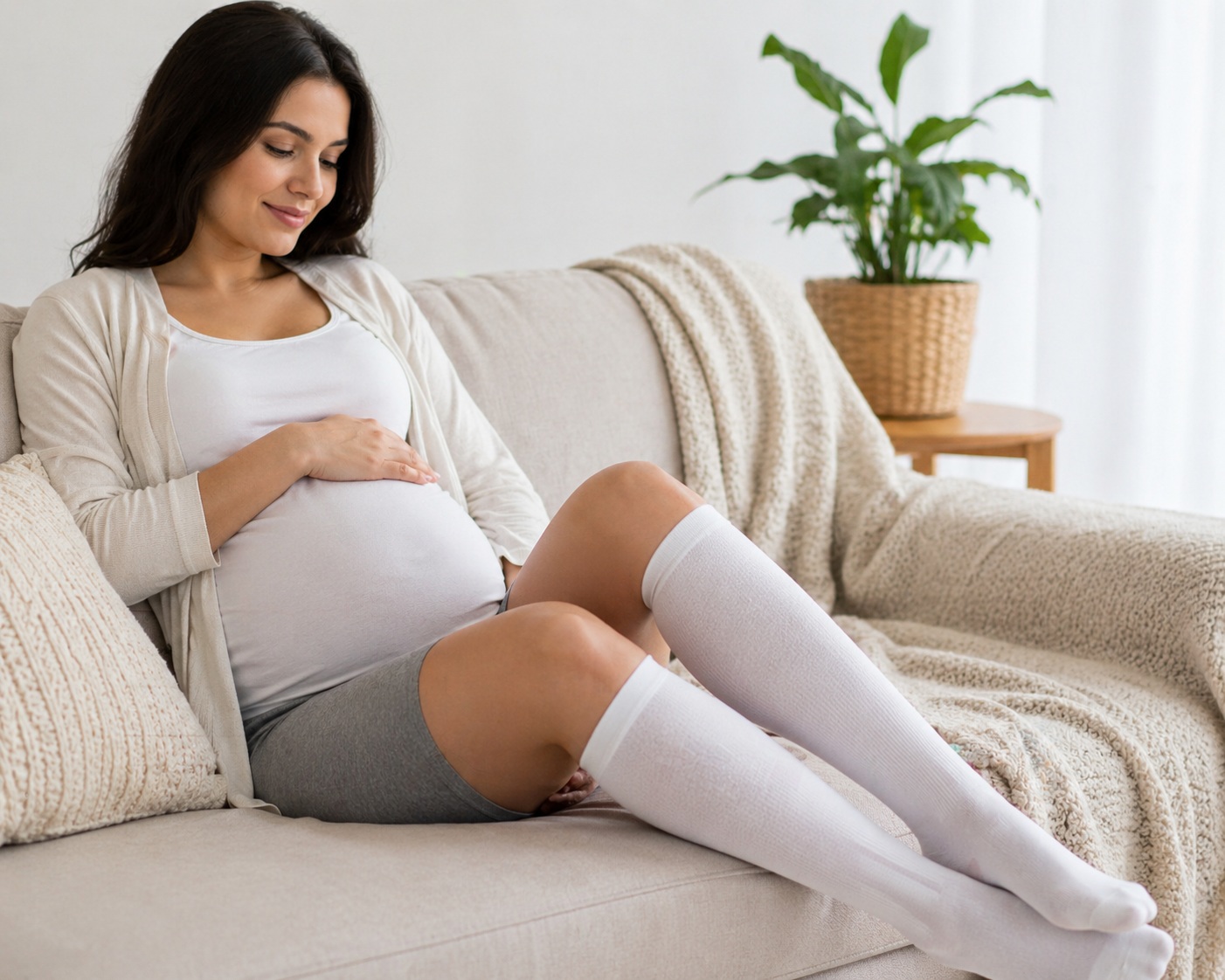
Pregnancy is a beautiful journey, but it often comes with physical discomforts—one of the most common being swollen ankles and feet. If you’ve noticed your shoes feeling tighter or your ankles looking puffier than usual, you’re not alone. This condition, known as edema, affects a large number of expecting mothers, especially during the second and third trimesters.
While mild swelling is a normal part of pregnancy, it can still be uncomfortable and sometimes even painful. The good news is that there are simple and effective ways to manage it—and one of the most recommended solutions is wearing compression socks.
In this complete guide, we’ll explore:
- Why swelling happens during pregnancy
- How compression socks work
- The benefits of compression socks wearing them daily
- Tips for choosing the right pair
- When you should consider using them
If you’re looking for a practical, non-invasive way to reduce swelling and stay comfortable throughout your pregnancy, this guide will help you understand everything you need to know.
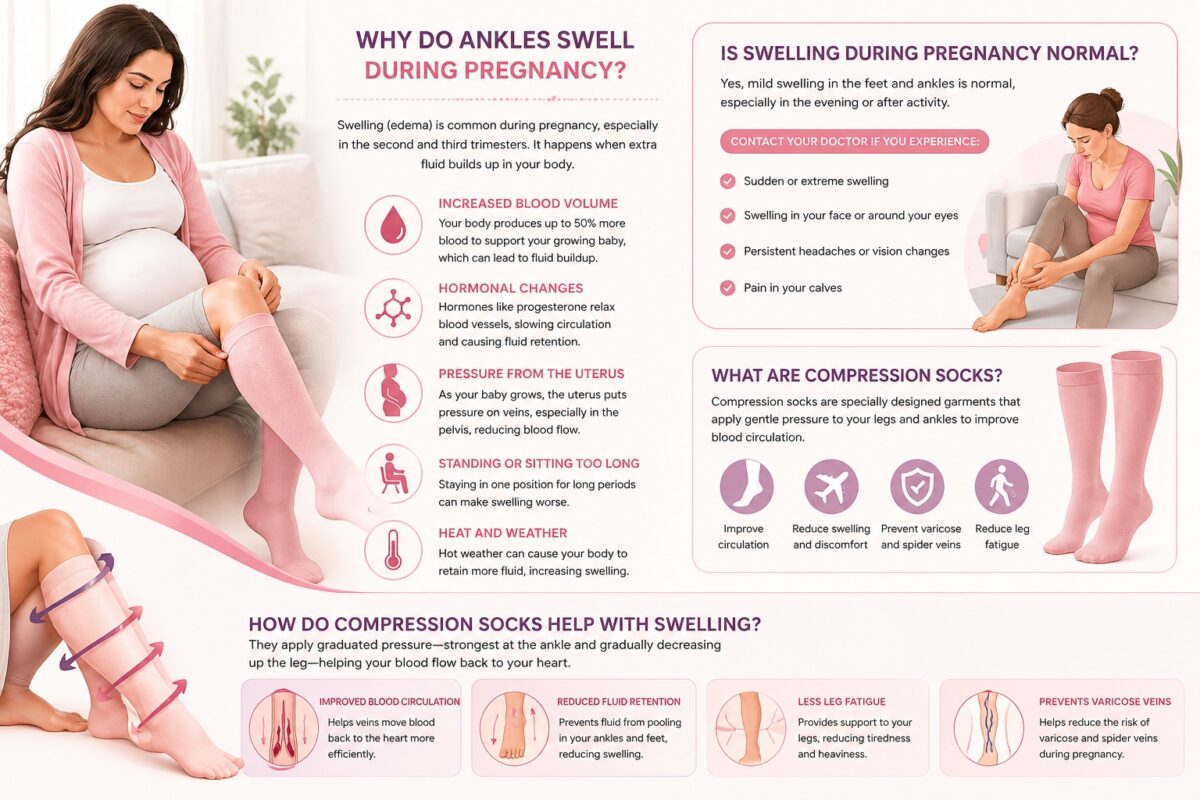
Why Do Ankles Swell During Pregnancy?
Swollen ankles during pregnancy are primarily caused by your body retaining more fluids than usual. This is completely natural and actually plays an important role in supporting your growing baby.
As your pregnancy progresses, your body produces more blood and bodily fluids to help nourish the fetus. At the same time, your expanding uterus puts pressure on your pelvic veins and the inferior vena cava (the large vein that returns blood from your lower body to your heart). This pressure slows down circulation, causing fluid to accumulate in your feet and ankles.
Here are the main reasons behind swelling:
- Increased Blood Volume: Your body increases blood production by nearly 50% during pregnancy. While this supports your baby’s development, it also contributes to fluid buildup in your tissues.
- Hormonal Changes: Hormones like progesterone cause your blood vessels to relax, which can slow circulation and lead to fluid retention.
- Pressure from the Uterus: As your baby grows, the uterus presses against veins, reducing efficient blood flow from your legs back to your heart.
- Standing or Sitting for Long Periods: Remaining in one position for too long can worsen swelling, especially if you’re on your feet all day or sitting without moving.
- Heat and Weather Conditions: Hot weather can make swelling more noticeable, as your body tends to retain more fluid in warmer temperatures.
Is Swelling During Pregnancy Normal?
In most cases, yes—swelling is completely normal. It usually becomes more noticeable in the evening or after a long day of activity.
However, it’s important to monitor your symptoms. Mild swelling in the feet and ankles is expected, but sudden or severe swelling—especially in the face or hands—could be a sign of a more serious condition like preeclampsia.
You should consult your healthcare provider if you experience:
- Sudden or extreme swelling
- Swelling in your face or around your eyes
- Persistent headaches or vision changes
- Pain in your calves
For typical, everyday swelling, simple lifestyle changes and supportive products like compression socks can make a significant difference.
What Are Compression Socks?
Compression socks are specially designed garments that apply gentle pressure to your legs and ankles. Unlike regular socks, they are made to improve blood circulation by encouraging blood to flow back toward your heart.
They are commonly recommended for:
- Pregnant women
- People who stand or sit for long periods
- Travelers on long flights
- Individuals with circulation issues
Compression socks come in different pressure levels and styles, but for pregnancy, mild to moderate compression is usually sufficient.
How Do Compression Socks Help with Swelling?
Compression socks work by applying graduated pressure—meaning the pressure is strongest at the ankle and gradually decreases as it moves up the leg. This design helps prevent fluid from pooling in your lower extremities.
Here’s how they help:
Improved Blood Circulation: They assist veins in pushing blood back to the heart more efficiently, reducing fluid buildup.
Reduced Fluid Retention: By limiting the space where fluid can accumulate, compression socks help minimize swelling.
Less Leg Fatigue: They support your muscles, reducing tiredness and discomfort throughout the day.
Prevention of Varicose Veins: Wearing compression socks can also reduce the risk of developing varicose veins during pregnancy.
Key Benefits of Wearing Compression Socks During Pregnancy
Wearing compression socks regularly can make a noticeable difference in your comfort levels throughout pregnancy. Here are the most important benefits:
- Reduces Swelling and Discomfort: Compression socks help prevent fluid from collecting in your ankles and feet, reducing puffiness and tightness.
- Improves Circulation: By supporting your veins, these socks help blood flow more efficiently back to your heart, which is especially important during pregnancy.
- Prevents Varicose and Spider Veins: Pregnancy increases pressure on your veins, which can lead to visible veins. Compression socks provide support that reduces this risk.
- Minimizes Leg Fatigue: If you spend long hours standing or walking, compression socks can reduce heaviness and tiredness in your legs.
- Supports Overall Comfort: From daily errands to long travel days, wearing compression socks can help you stay active and comfortable.
How to Choose the Right Compression Socks for Pregnancy
Not all compression socks are the same, so choosing the right pair is essential for both comfort and effectiveness.
1.Compression Level: For pregnancy, a mild to moderate compression level (usually 15–20 mmHg) is recommended. It provides enough pressure to improve circulation without feeling too tight.
2.Material and Breathability: Look for soft, stretchable fabrics that allow airflow. This helps prevent sweating and keeps your legs comfortable throughout the day.
3.Size and Fit: Proper sizing is crucial. Socks that are too tight can cause discomfort, while loose ones won’t provide the needed support.
4.Length Options: Ankle-length: Light support, Knee-high (Most recommended for pregnancy), Thigh-high (For more advanced swelling cases).
5.Style and Design: Modern compression socks come in stylish colors and patterns, so you don’t have to compromise on looks.
When Should You Wear Compression Socks?
Timing matters when it comes to getting the best results.
Morning is Best
Wear them early in the morning before swelling begins. This helps prevent fluid buildup throughout the day.
During Long Periods of Activity
If you:
- Stand for long hours
- Sit at a desk
- Travel frequently
Compression socks can help maintain proper circulation.
During Travel
Long flights or car rides can worsen swelling. Compression socks reduce discomfort and lower the risk of blood clots.
Additional Tips to Reduce Swelling Naturally
While compression socks are highly effective, combining them with healthy habits can maximize results:
🦶 Elevate Your Feet
Raise your feet whenever possible to encourage fluid movement.
🚶 Stay Active
Light walking or prenatal exercises improve circulation.
💧 Stay Hydrated
Drinking enough water helps your body maintain proper fluid balance.
🧂 Reduce Excess Salt
Too much sodium can increase fluid retention.
👗 Wear Comfortable Clothing
Avoid tight clothing that restricts blood flow.
Recommended Compression Socks for Swollen Ankles During Pregnancy
Choosing the right product can make all the difference in your daily comfort.
👉 If you’re looking for supportive, comfortable, and stylish options, you can explore our carefully selected collection here:
Compression Socks for Swollen Ankles During Pregnancy
These options are designed specifically for expecting mothers, offering the right balance of support, flexibility, and everyday comfort.
Are Compression Socks Safe During Pregnancy?
Yes, compression socks are generally safe and widely recommended for pregnant women. However, it’s always a good idea to consult your healthcare provider if you have:
- Circulation disorders
- Diabetes
- Severe swelling or medical conditions
Using the correct size and compression level ensures maximum benefit without discomfort.
Final Thoughts
Swollen ankles during pregnancy can be uncomfortable, but they don’t have to disrupt your daily life. With the right approach, you can manage swelling effectively and stay comfortable throughout your journey.
Compression socks are one of the simplest and most effective solutions available. They improve circulation, reduce swelling, and help you stay active and confident.
By combining compression socks with healthy habits like staying active, elevating your feet, and maintaining proper hydration, you can significantly reduce discomfort and enjoy a smoother pregnancy experience.
If you’re ready to feel more comfortable and supported, don’t hesitate to explore high-quality compression socks designed specifically for pregnancy needs.
Take the next step toward comfort today and give your legs the support they deserve.
Products by Category
-
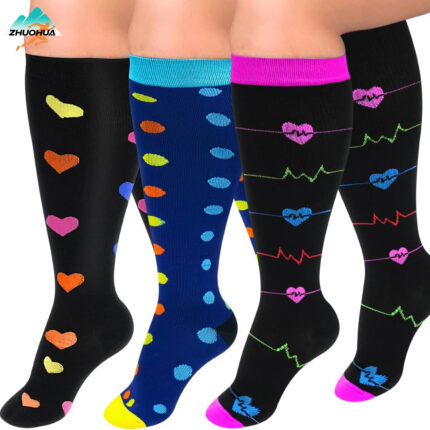
Plus Size Compression Socks for Pregnancy Wide Calf Knee High
Price range: $9.00 through $32.00 -
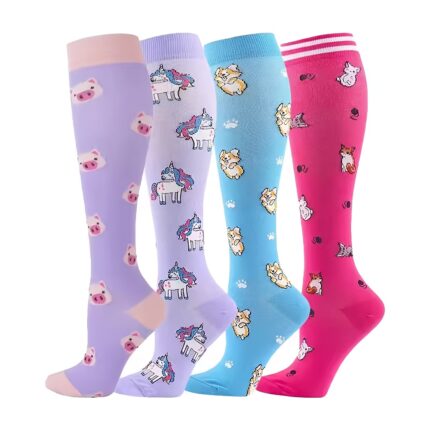
Pregnancy Cartoon Compression Socks Cute Animal 4-Pack Support
$32.00 -
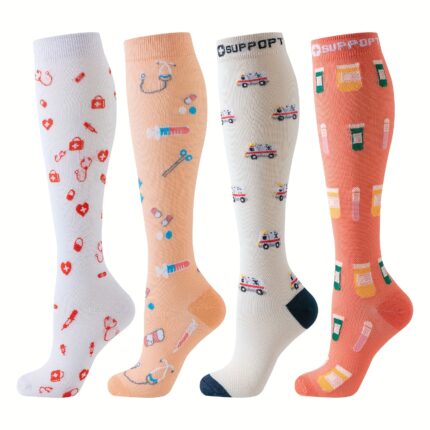
Pregnancy Knee-High Calf Compression Socks Copper Floral 4-Pack
$22.00 -
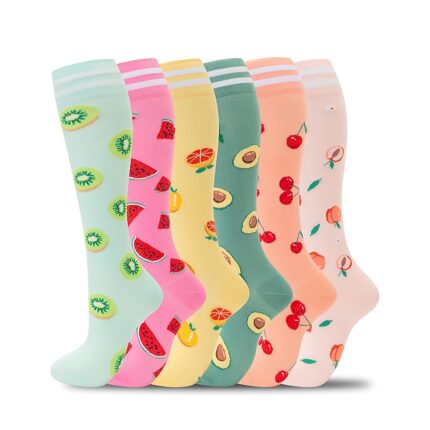
Women’s Floral Compression Socks 6-Pack Support
$19.00 -
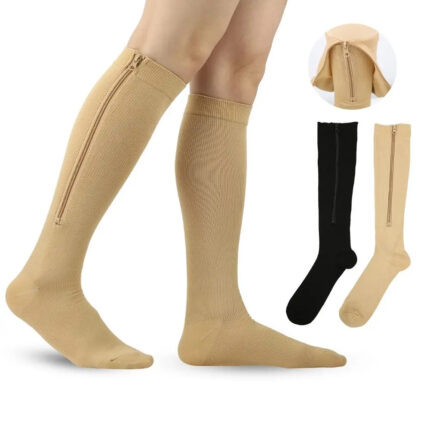
Women’s Zipper Compression Socks for Edema & Varicose Veins Relief
$8.00