

Compression Socks for Swelling & Edema
Clinically proven 20–30 mmHg graduated compression that reduces swollen ankles, swollen feet, edema, and fluid retention — from the first wear.
✓ Reduces swelling in hours
✓ Doctor-recommended · Medical Grade
✓ Free US shipping over $35
✓ 30-day free returns
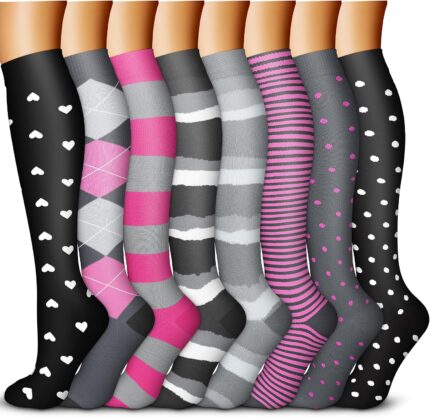
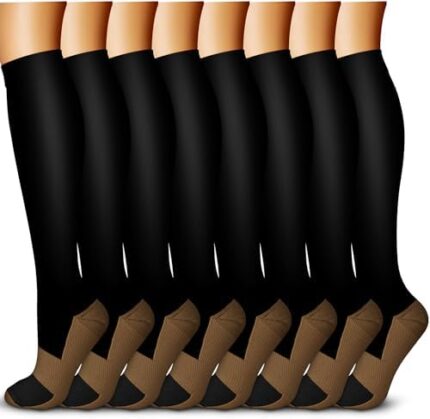
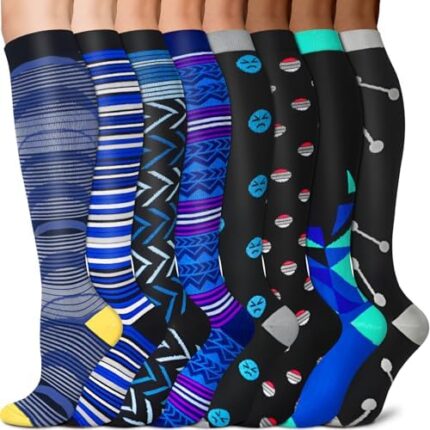
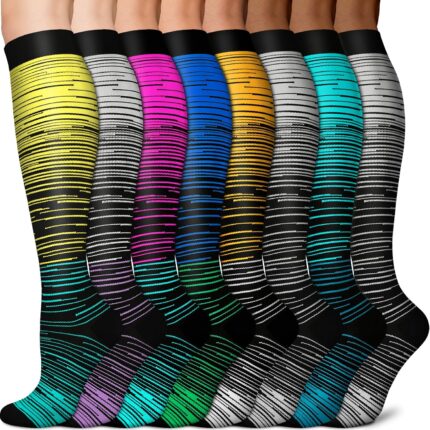
Sooverki Copper Compression Socks 8-Pack 15-20 mmHg Knee High Support
Price range: $15.00 through $34.00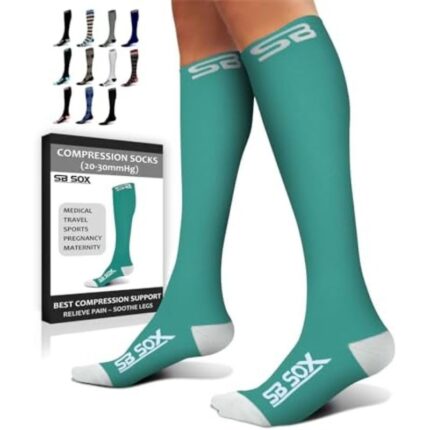
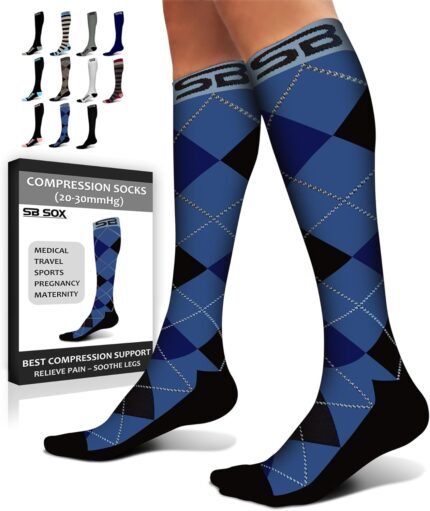
SB SOX 20-30mmHg Compression Socks for Flying, Sports & Daily Wear
Price range: $15.00 through $37.00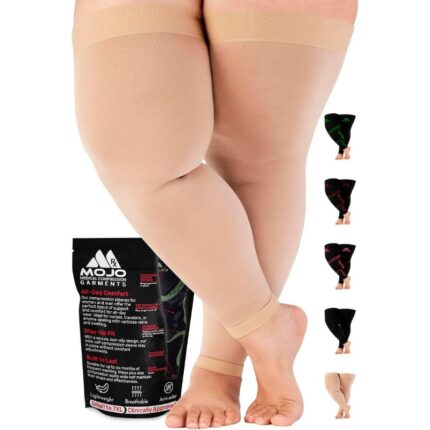
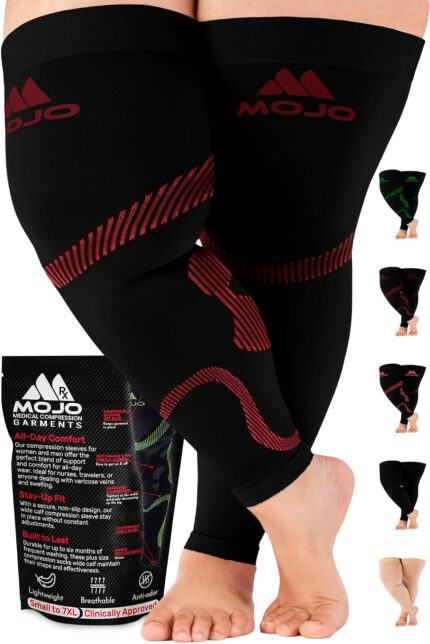
Mojo Compression Socks 20-30mmHg Thigh High Leg Sleeves for Swelling
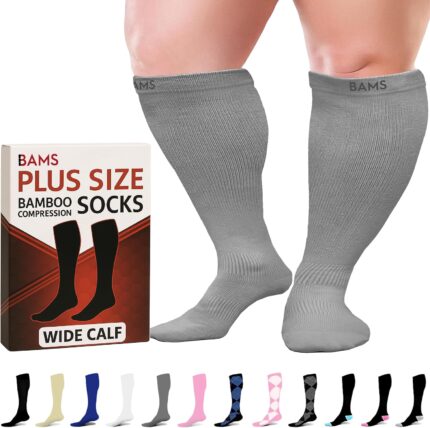
Price range: $32.00 through $36.00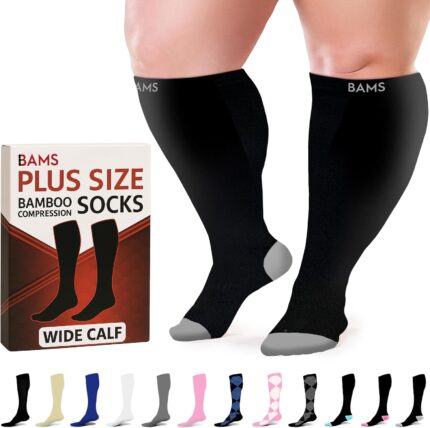
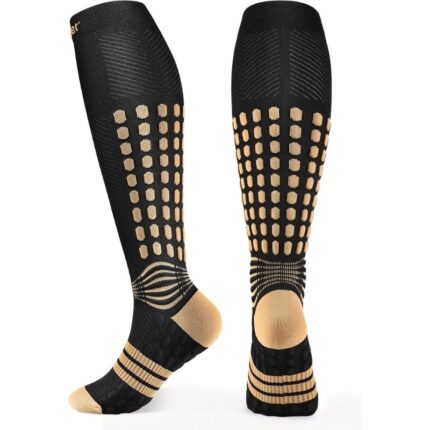
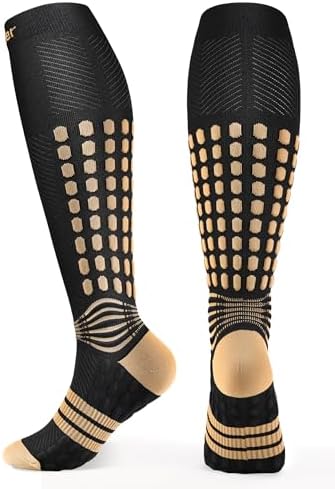
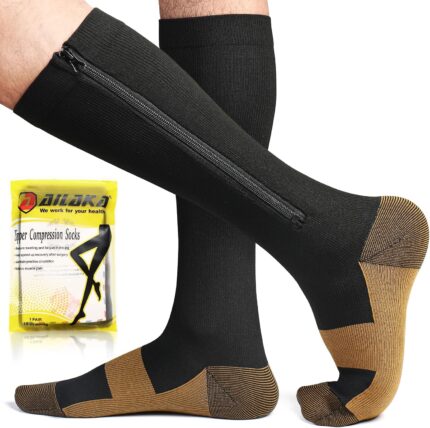
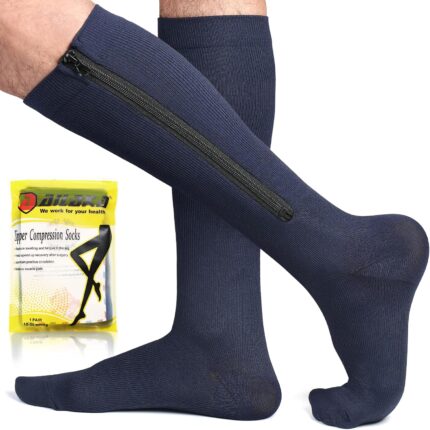
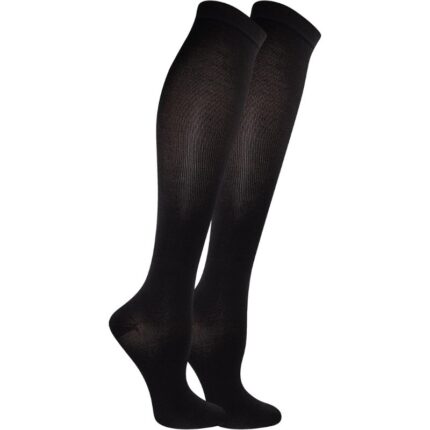
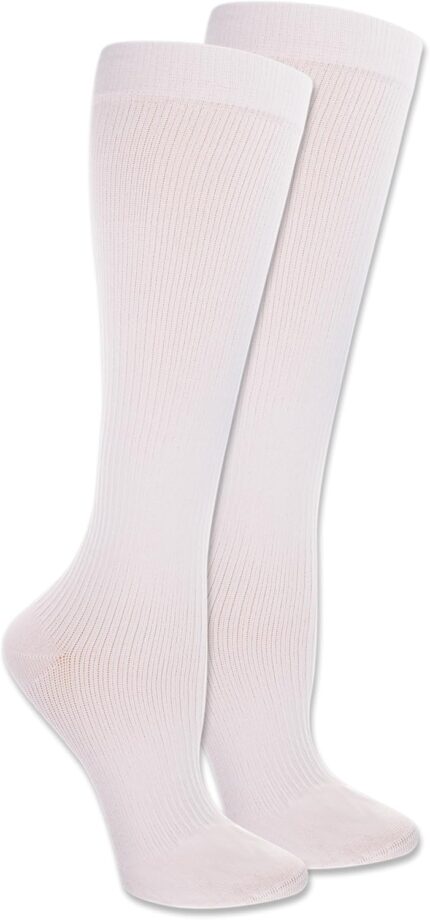
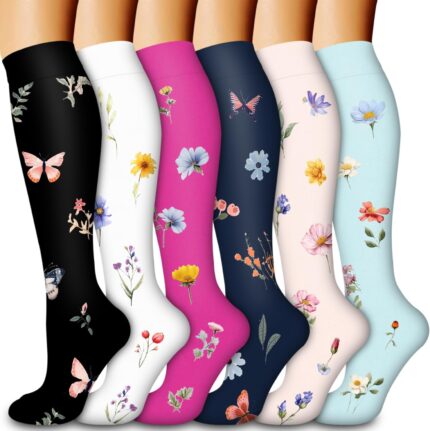
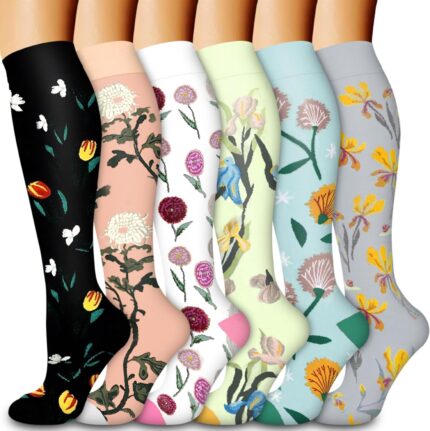
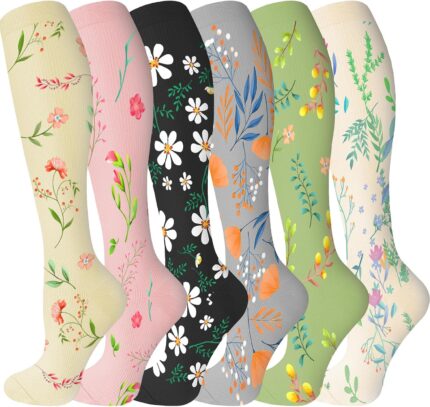
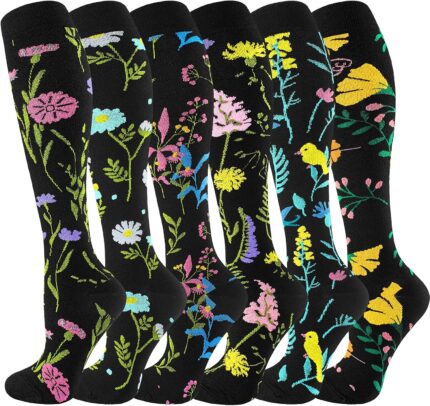


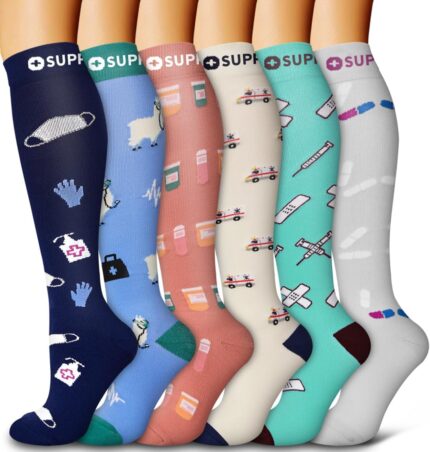
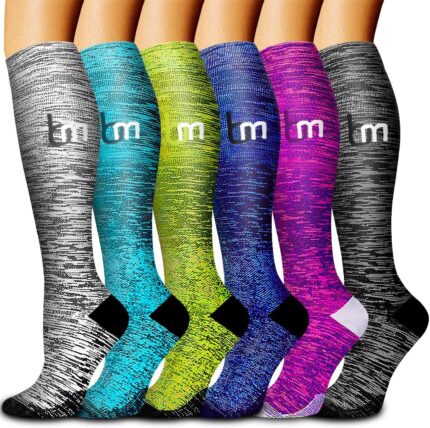
Bluemaple Copper Compression Socks 6 Pairs for Medical and Athletic
Price range: $27.00 through $30.00
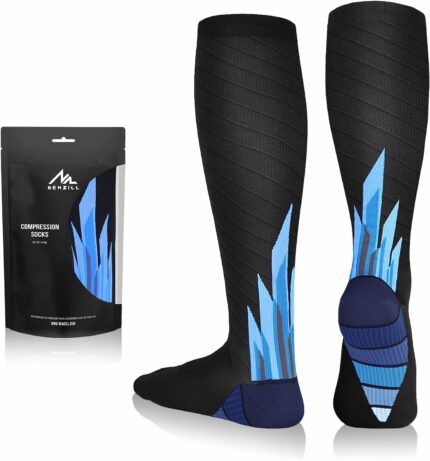
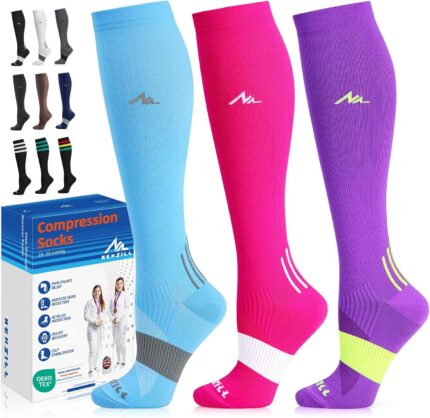
NEWZILL Compression Socks for Women Men 20-30 mmHg Knee High 3 Pack
Price range: $15.00 through $46.00Why Medical Grade Compression Relieves Swelling & Edema
Swelling in your ankles, feet, and legs happens when fluid — called edema — pools in your lower extremities due to gravity, poor circulation, prolonged standing, or underlying medical conditions. It is one of the most common circulatory complaints in the United States, affecting an estimated 1 in 3 adults at some point.
Medical grade compression socks work by applying graduated pressure — firmest at the ankle, gently decreasing up the calf — which actively pushes excess fluid back into your circulation before it can accumulate. Unlike fashion compression socks, medical grade compression delivers a clinically precise mmHg (millimeters of mercury) rating that is consistent throughout the garment.
BrasiChic compression socks for swelling are designed specifically for:
• Swollen ankles and swollen feet from long days on your feet
• Edema caused by pregnancy, travel, or prolonged sitting
• Chronic venous insufficiency and poor circulation
• Post-surgical swelling and recovery
• Fluid retention from medications or heat
• Lymphedema management (mild to moderate)
Which mmHg Do You Need?
- 15–20 mmHg — Mild Swelling
Travel, pregnancy prevention, tired legs, mild edema. Good starting level. - 20–30 mmHg — Most Popular · Doctor's Choice ★
Moderate edema, swollen ankles and feet, DVT prevention, post-surgical recovery.
Recommended by most vascular doctors. - 30–40 mmHg — Severe Swelling
Severe edema, venous ulcers, lymphedema. Requires doctor's guidance.
How Compression Socks Reduce Swelling & Edema
Prevents Fluid Pooling:
Graduated compression squeezes the leg gently from ankle upward, preventing fluid from accumulating in the tissue — the primary cause of edema and swelling.
Boosts Circulation:
The pumping action of compression increases venous blood return to the heart, reducing the pressure that forces fluid out of blood vessels into surrounding tissue.
Works from First Wear:
Many BrasiChic customers report noticeable reduction in swollen ankles and feet within 2–4 hours of wearing their compression socks for the first time.
Graduated = More Effective
Medical grade compression is graduated (strongest at the ankle, decreasing upward) — not uniform pressure. This gradient is what drives fluid up and out of the leg.
🚚 Free US Shipping — On all orders over $35. Ships in 1–3 business days.
↩ 30-Day Returns — Not working for you? Return it, no questions asked.
🏥 HSA & FSA Eligible — Use your health savings account for medical grade socks.
⭐ 4.8 / 5 Stars — Rated by 2,400+ verified US customers.
Frequently Asked Questions
Q: What mmHg compression socks are best for swelling and edema?
A: For most swelling and edema, 20–30 mmHg medical grade compression socks are the gold standard recommended by doctors and vascular specialists. Mild swelling may respond to 15–20 mmHg, while severe edema or venous insufficiency may require 30–40 mmHg. If you have a diagnosed condition, always confirm the right mmHg level with your doctor before purchasing.
Q: Do compression socks actually help with swollen ankles and feet?
A: Yes — and the science is well established. Compression socks work by applying graduated pressure from ankle upward, which pushes fluid back into circulation and prevents it from pooling in the lower extremities. Clinical studies consistently show reduction in ankle and foot swelling with regular use of 20–30 mmHg medical grade compression. Many customers report visible improvement within their first 2–4 hours of wear.
Q: When should I put on my compression socks for edema?
A: Put your compression socks on first thing in the morning, before getting out of bed — this is when swelling is at its lowest. Once you stand up and gravity starts working, fluid begins pooling. Wearing them throughout the day (typically 8–12 hours) and removing them before sleep gives you the best results. Do not sleep in compression socks unless specifically directed by your doctor.
Q: Can I wear compression socks for pregnancy swelling?
A: Yes — compression socks are widely recommended during pregnancy for swollen ankles, feet, and legs caused by water retention and increased blood volume. 15–20 mmHg is generally safe for pregnancy-related swelling, and our maternity compression socks feature a non-binding soft top band. Always check with your OB-GYN before starting compression therapy during pregnancy.
The Complete Guide to Compression Socks for Swelling & Edema
Whether it is swollen ankles at the end of a long workday, persistent edema from a chronic condition, or fluid retention during pregnancy — the right compression socks can make a meaningful difference in how you feel.
What Causes Swollen Ankles, Feet, and Legs?
Swelling in the lower extremities — medically known as peripheral edema — happens when fluid leaks from blood vessels and collects in the tissue of your feet, ankles, and lower legs. The most common causes include:
• Prolonged standing or sitting (gravity causes fluid to pool downward)
• Pregnancy (increased blood volume and pressure on pelvic veins)
• Chronic venous insufficiency (veins cannot efficiently return blood to the heart)
• Kidney, liver, or heart conditions affecting fluid balance
• Medications including calcium channel blockers, corticosteroids, and NSAIDs
• Lymphedema (damage to the lymphatic system)
• Injury, post-surgical inflammation, or trauma
• Heat exposure causing vasodilation and fluid leakage
How Medical Grade Compression Socks Treat Edema
Unlike regular socks or drugstore support hosiery, medical grade compression socks deliver a precise, clinically validated amount of graduated pressure measured in mmHg. The key word is "graduated" — the compression is strongest at the ankle and decreases as it moves up the calf. This gradient mimics and assists the natural pumping action of your calf muscles, actively driving fluid back up into your circulation.
The result: less fluid accumulation in the tissue, reduced swelling, less pain and heaviness, and better overall circulation throughout your legs and feet.
Who Benefits Most from Compression Socks for Edema?
Our customers who see the most dramatic improvement in swelling include:
• Nurses and healthcare workers on 10–12 hour shifts
• Pregnant women in their second and third trimesters
• Frequent flyers and long-haul travelers
• People with diabetes-related leg swelling
• Older adults with chronic venous insufficiency
• Anyone recovering from leg surgery or injury
• Teachers, retail workers, and anyone on their feet all day
Compression Socks vs. Support Stockings for Swelling
Many people confuse compression socks, compression stockings, and support hosiery. Here is the practical difference: medical grade compression socks (knee-high) are the most commonly recommended solution for ankle and foot edema. They cover the area where fluid most commonly accumulates and are the easiest to put on and wear comfortably throughout the day. Thigh-high compression stockings are recommended when swelling extends to the upper leg or thigh.