

Blog
Best Bamboo Compression Socks for All-Day Wear: How to Choose

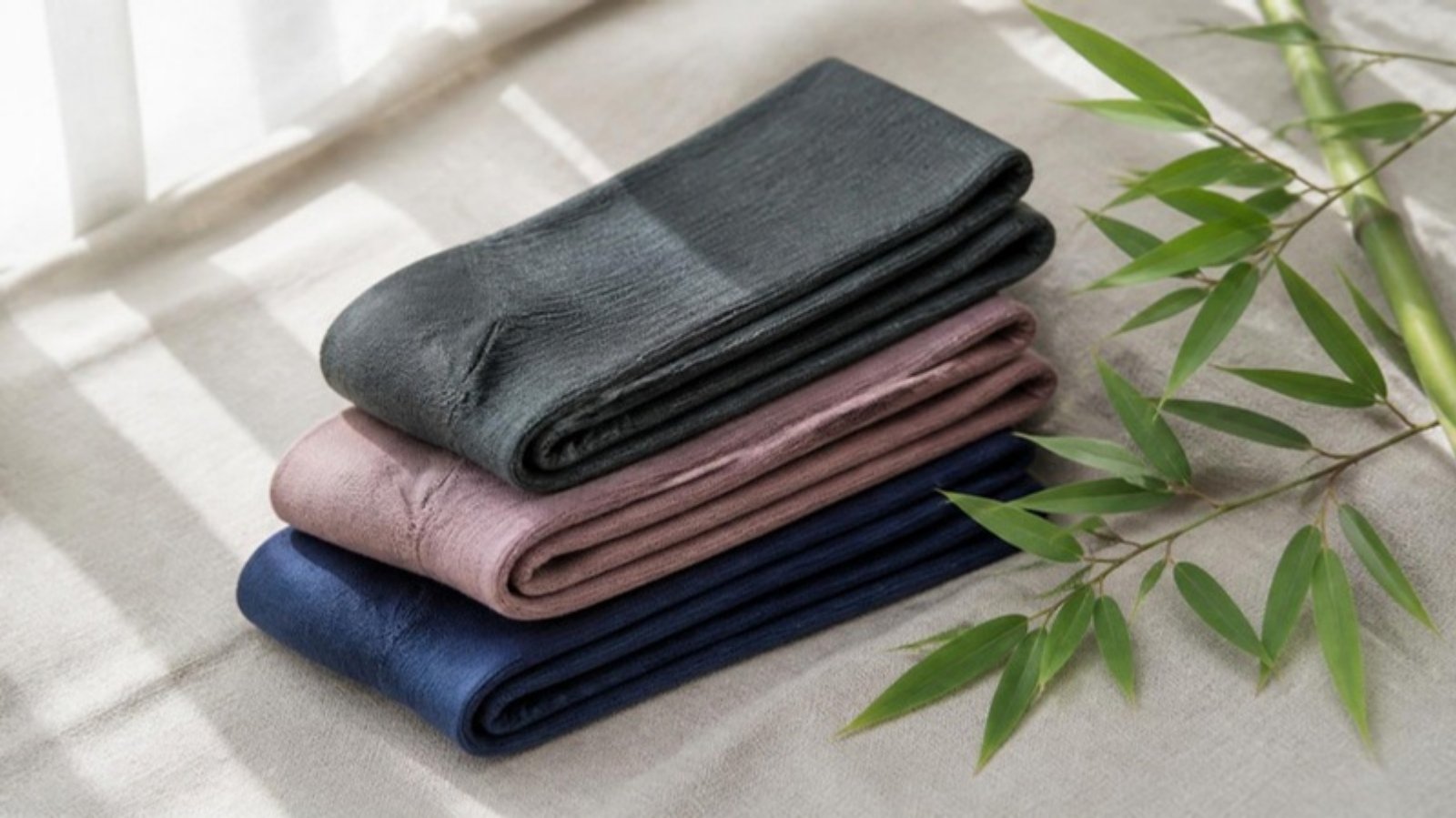
If you are on your feet at work, sitting at a desk for hours, or simply finish most days with heavy, tired legs, a good pair of bamboo compression socks can make the hours feel shorter. The trouble is that almost every listing promises “all-day comfort.” This guide explains what actually separates the best bamboo compression socks for all-day wear from the ones you will peel off by lunchtime, so you can buy once and wear them with confidence.
Quick Answer: What Makes the Best Bamboo Compression Socks for All-Day Wear?
For most healthy adults, the best bamboo compression socks for all-day wear are knee-high socks with graduated 15–20 mmHg compression, a soft blend that is mostly viscose made from bamboo with spandex for stretch recovery, a cushioned sole, a seamless toe and a wide, non-binding top band, sized from your own ankle and calf measurements. If you are new to compression or mainly sit all day, start with a lighter 8–15 mmHg pair. Firmer 20–30 mmHg compression is worth discussing with a doctor first, especially if you have a medical condition.
Key Takeaways
- Compression level matters more than fabric. Research on everyday leg symptoms found that roughly 10–20 mmHg is the useful range for most people; going above 20 mmHg added no extra benefit for those symptoms.
- “Bamboo” socks are almost always viscose (rayon) made from bamboo. That fiber is valued for softness and moisture absorption, not for any special antibacterial power.
- Fit decides comfort. Measure your ankle and calf in the morning, when swelling is lowest, and choose the size from the brand’s chart rather than your shoe size alone.
- Buy enough pairs to rotate. Daily wear and frequent washing wear out elastic fibers; plan to replace compression garments every three to six months.
What Are Bamboo Compression Socks, Really?
Bamboo compression socks are graduated compression socks knitted from a yarn that is mostly regenerated cellulose fiber made from bamboo pulp, blended with stretch fibers such as spandex (elastane) and often nylon. The compression itself comes from the knit structure and the elastic fibers; the bamboo-derived viscose is what touches your skin.
It helps to know what the label means. The U.S. Federal Trade Commission has explained that most textiles sold as “bamboo” are actually rayon, which is produced through a chemical process that leaves none of the original plant’s properties behind. For that reason the FTC expects sellers to describe the fiber as rayon or viscose “made from bamboo,” and it has said claims that these fabrics keep a natural antimicrobial quality from the bamboo plant cannot be supported. In 2022, the agency announced $5.5 million in combined penalties against two major U.S. retailers over bamboo marketing claims.
None of that makes bamboo-viscose socks a bad choice. It simply means you should choose them for the right reasons:
- Softness against the skin. Viscose has a smooth, silky hand that many people find gentler than a nylon-heavy sock, which matters when you wear a sock for 10 or more hours.
- Moisture absorption. Cellulose fibers absorb moisture well, which helps feet feel less clammy over a long day.
- A comfortable drape. Viscose blends tend to feel lighter and less “rubbery” than many traditional medical-style stockings.
What bamboo viscose does not do is decide how well a sock supports your legs. That depends on the compression level, the stretch fibers and the fit.
Which Compression Level Is Best for All-Day Wear?
Compression is measured in millimeters of mercury (mmHg). In graduated compression socks, the pressure is firmest at the ankle and gradually eases toward the knee, which helps move blood and fluid up from the lower legs. A review in the Canadian Medical Association Journal groups compression into low (below 20 mmHg), medium (20–30 mmHg) and high (above 30 mmHg) classes.
For everyday comfort, the most useful evidence comes from a meta-analysis of randomized trials published in the European Journal of Vascular and Endovascular Surgery. It looked at leg symptoms linked to long hours of standing or sitting, including in healthy people, and found that compression of about 10–20 mmHg reduced symptoms and swelling, pressure below 10 mmHg was not effective, and pressure above 20 mmHg brought no additional benefit for those complaints. That is why 15–20 mmHg has become the practical sweet spot for all-day wear.
| Compression level | How it feels | Typical all-day use |
|---|---|---|
| 8–15 mmHg (light) | Gentle hug, easy to put on | First-time wearers, desk days, travel, mild end-of-day heaviness |
| 15–20 mmHg (moderate) | Noticeable but comfortable support | Long shifts on your feet, retail, teaching, nursing, frequent travel |
| 20–30 mmHg (firm) | Firm, takes effort to pull on | Usually chosen with a clinician’s guidance for specific leg conditions |
| 30 mmHg and above | Very firm, medical garment | Prescribed and fitted for diagnosed medical needs |
A simple rule: if your goal is comfort and less leg fatigue on ordinary days, start at 8–15 or 15–20 mmHg. Stronger is not automatically better, and a sock that is too tight is a sock you will not wear all day.
7 Features to Look for in All-Day Bamboo Compression Socks
Once you have chosen a compression level, these details separate a sock that feels good at 6 p.m. from one that is digging in by noon.
1. A clearly stated mmHg range
Look for a specific range such as “15–20 mmHg graduated.” Vague phrases like “medium support” or “firm compression” without a number make it impossible to compare products or follow advice from your doctor.
2. A transparent fiber blend
Check the composition. For all-day softness, many shoppers prefer socks where viscose from bamboo is the main fiber, often in the 75–90% range, with spandex or elastane for stretch and recovery. A little nylon adds durability at the heel and toe. A sock with very little spandex may feel soft at first but lose its shape and pressure after a few wears.
3. Knee-high length that sits below the knee bend
Knee-high is the standard length for everyday graduated compression. The top band should finish just below the bend of your knee. If it rides into the back of the knee, it can bunch and pinch when you sit, which is one of the most common reasons people stop wearing compression socks.
4. A wide, non-binding top band
A narrow, tight cuff can leave deep marks and create a tourniquet-like band at the top of the calf. A wider, softer band spreads pressure more evenly and helps the sock stay up without slipping.
5. Cushioned sole and reinforced heel and toe
If you stand or walk for most of the day, a terry-cushioned sole adds comfort inside work shoes and reinforced heels and toes help the sock last through repeated washing.
6. Seamless or flat-seam toe
A bulky toe seam is barely noticeable for an hour but can rub over a full shift. A seamless or flat-linked toe is worth looking for if you have sensitive feet or wear closer-fitting shoes.
7. Sizing by ankle and calf, plus wide-calf options
Good compression brands size by leg measurements, not just shoe size. If your calves are larger than a standard chart allows, choose a dedicated wide-calf or plus-size style instead of forcing a regular sock, which can roll down and concentrate pressure in one spot.
Bamboo Compression Socks for All-Day Wear: 3 Picks Compared
The three options below come from the bamboo compression socks we carry at Brasi Chic. Each one covers a different all-day need, from gentle first-time compression to plus-size support. Details are taken from each product’s listed specifications.
| Sock | Compression | Fabric | Sizes | Pairs | Best for |
|---|---|---|---|---|---|
| Pembrook Bamboo Viscose Light Compression Socks | 8–15 mmHg | Bamboo viscose blend | Medium, Large | 3 | New wearers, desk days, light support |
| JODUCE Bamboo Compression Socks | 15–20 mmHg graduated | 92% bamboo viscose, 8% spandex | S–M, L–XL, XXL | 3 | Long shifts, standing and walking |
| LEVSOX Wide Calf Bamboo Compression Socks | 15–20 mmHg graduated | 80% bamboo viscose, 17% nylon, 3% spandex | XL to 5XL | 3 | Wider calves and plus-size fit |
Best for first-time wearers: Pembrook Bamboo Viscose Light Compression Socks (8–15 mmHg)
If you have never worn compression before, or you mainly sit at a desk or travel, a light 8–15 mmHg knee-high is the easiest way to start. The Pembrook three-pack offers gentle support in a soft bamboo viscose knit, and it comes in a wide range of solid colors and patterns, so it is easy to wear a pair every day of the week. Because the pressure is light, these are also simpler to pull on, which matters if you are getting dressed in a hurry.
Best all-around choice for long days: JODUCE Bamboo Compression Socks (15–20 mmHg)
For people who stand or walk most of the day, the JODUCE 15–20 mmHg bamboo knee-high socks check the boxes that matter most: graduated moderate compression, a high 92% bamboo viscose content for softness, spandex for recovery, a cushioned sole with arch support and a stay-up cuff. Three sizes, from Small-Medium to XX-Large, make it easier to match your measurements, and the three-pair pack lets you rotate pairs between washes.
Best for wider calves: LEVSOX Wide Calf Bamboo Compression Socks (15–20 mmHg)
Standard compression socks often roll down or pinch on larger calves, which defeats the purpose. The LEVSOX wide-calf style keeps the same 15–20 mmHg graduated compression while offering extended sizes from XL to 5XL. Its blend of 80% bamboo viscose with nylon and spandex adds durability and stretch, and it comes in solid colors and patterns in three-pair packs. It is a strong choice for plus-size wearers and for anyone whose calves sit above a regular size chart.
Want more options, including toeless, crew and firmer 18–25 or 20–30 mmHg styles? Browse our full bamboo viscose compression sock collection.
How to Find Your Size
The right size is the difference between gentle, even support and a sock that pinches, slides or leaves deep marks. Mayo Clinic advises measuring legs when they are least swollen, which is usually first thing in the morning.
- Measure in the morning, before you have been on your feet for long.
- Ankle: wrap a soft tape measure around the narrowest part of your leg, just above the ankle bone.
- Calf: measure around the widest part of your calf.
- Compare both numbers with the brand’s size chart. If they point to different sizes, the calf measurement usually matters most for comfort at the top band, while the ankle measurement controls the graduated pressure. When in doubt, contact the seller before buying.
- Use shoe size as a tiebreaker only, to make sure the heel pocket lines up with your heel.
How to Wear Compression Socks All Day
Health systems such as Kaiser Permanente recommend putting compression stockings on early in the morning, when there is the least swelling in your legs, and wearing them through the day unless you are bathing or sleeping. A few habits make long wear much more comfortable:
- Put them on first. Pull them on soon after you get up, before your legs have a chance to swell.
- Turn, don’t tug. Turn the sock inside out down to the heel, slip your foot in, then ease the rest up your leg a little at a time.
- Smooth out every wrinkle. Folds and bunching create pressure ridges that become uncomfortable over hours.
- Never fold the top band down. Doubling the cuff concentrates pressure in one narrow ring.
- Take them off at bedtime unless a doctor has told you otherwise.
- Check your skin daily. Mayo Clinic recommends looking for irritation, redness or color changes and contacting your health care provider if they appear.
If you work long clinical shifts, our guide to bamboo compression socks for nurses and healthcare workers covers shift-specific tips in more detail.
How to Care for Bamboo Compression Socks
Heat and harsh handling break down the elastic fibers that create compression. To keep your socks working as long as possible:
- Always follow the care label first.
- Wash in cool water on a gentle cycle, or hand-wash. Kaiser Permanente suggests hand-washing new stockings after you buy them.
- Air-dry flat or on a line rather than using high dryer heat.
- Rotate at least two or three pairs so each pair can rest and recover between wears.
- Replace them every three to six months, or sooner if they slide down, bunch or feel looser than when new.
Who Should Check With a Doctor First
Over-the-counter bamboo compression socks are comfort garments, not a treatment for any disease. Compression is not right for everyone. The CMAJ review lists suspected or proven peripheral arterial disease, severe peripheral neuropathy or loss of sensation in the legs, fragile or damaged skin, allergy to the sock material, and major swelling caused by heart failure among the situations where compression should be avoided. Talk to a doctor before wearing compression socks if:
- You have poor circulation, diabetes with numbness in your feet, or any diagnosed artery or nerve condition.
- You have heart failure, skin ulcers, recent skin grafts or very fragile skin on your legs.
- You are pregnant and have new or worsening swelling.
- You are considering 20–30 mmHg or stronger compression.
Stop wearing the socks and contact your health care provider if your toes become numb, painful or change color, or if your skin becomes irritated. Sudden swelling in one leg, especially with pain, warmth or redness, needs prompt medical attention.
Frequently Asked Questions
Can you wear bamboo compression socks all day?
Yes. Everyday compression socks are designed to be put on in the morning and worn through the day, then taken off at bedtime. Choose a well-fitting pair in a comfortable range, usually 8–15 or 15–20 mmHg, and check your skin each evening.
Is 15–20 mmHg good for everyday wear?
For most healthy adults, yes. Clinical research on leg symptoms from long standing or sitting found the useful range to be about 10–20 mmHg, so 15–20 mmHg is a practical everyday choice. If you are new to compression, an 8–15 mmHg pair is an easier starting point.
Are bamboo compression socks better than nylon compression socks?
They are not more supportive, because support depends on the mmHg rating and fit. The main difference is feel: viscose from bamboo is soft and absorbs moisture well, which many people prefer for long wear. Nylon-heavy socks are often thinner and very durable. The best choice is the one that fits well and feels comfortable enough to wear all day.
Are bamboo compression socks antibacterial?
You should not count on it. The FTC has said that rayon made from bamboo does not retain the natural antimicrobial properties sometimes claimed for the bamboo plant. Clean socks, a fresh pair each day and dry feet remain the best way to keep odor down.
Should you sleep in compression socks?
Generally no. Unless your doctor tells you otherwise, take everyday compression socks off at bedtime and put a fresh pair on in the morning.
How many pairs do I need?
If you plan to wear compression most days, at least two to three pairs lets you rotate them while others are being washed and dried. Multi-pair packs are usually the most practical way to start.
The Bottom Line
The best bamboo compression socks for all-day wear are the ones you will actually keep on: graduated 15–20 mmHg support for long days or 8–15 mmHg to start, a soft blend that is mostly viscose from bamboo with enough spandex to hold its shape, a cushioned sole, a smooth toe and a comfortable top band, all sized from your own measurements. Pick the level that matches your day, buy enough pairs to rotate, and check with your doctor first if you have a circulation, nerve or skin condition.
This article is for general information and is not medical advice. Ask a qualified health care provider about compression for any medical condition.
Sources
- Lim CS, Davies AH. Graduated compression stockings. Canadian Medical Association Journal, 2014.
- Compression therapy for occupational leg symptoms and chronic venous disorders: a meta-analysis of randomised controlled trials. European Journal of Vascular and Endovascular Surgery, 2008.
- Federal Trade Commission. How to Avoid Bamboozling Your Customers.
- Federal Trade Commission. FTC uses Penalty Offense Authority to seek largest-ever civil penalty for bogus bamboo marketing. April 2022.
- Mayo Clinic News Network. Mayo Clinic Q and A: Tips for using compression stockings.
- Kaiser Permanente. Compression Stockings: How to Use Them.