
Blog
Best Pregnancy Support Belts for Comfort and Relief

You're halfway through the day, your bump feels heavier than it did last week, and a simple walk to the kitchen leaves your lower back tight and your pelvis sore. That's usually the moment people start searching for the best pregnancy support belts, not because they want another maternity accessory, but because they want to move, stand, and sleep with a little less strain.
A good belt doesn't “fix” pregnancy discomfort. It gives your body a more forgiving way to carry changing weight, especially when your belly growth, posture shifts, and pelvic pressure all start stacking up at once. The hard part is choosing one that fits, breathes well, and supports your shape, especially if standard sizing has already failed you before.
Table of Contents
- Why Pregnancy Support Belts Matter for Daily Comfort
- What the Clinical Evidence Shows
- Comparing Belt Styles and Support Designs
- Finding the Right Fit for Plus-Size Bodies
- How to Measure and Wear Your Belt Safely
- Care Instructions and Troubleshooting Common Issues
- Your Complete Buying Checklist Before You Order
- Frequently Asked Questions About Pregnancy Belts
Why Pregnancy Support Belts Matter for Daily Comfort
By the second trimester, a lot of people notice the same pattern. Standing at the sink gets uncomfortable, walks feel more tiring, and pelvic pressure shows up right when you finally try to slow down. A support belt exists for that in-between problem, when you're not injured, but your body clearly wants help carrying the load.
What the belt is actually doing
A pregnancy support belt gives external lift and stabilization. Instead of pulling your abdomen forward and letting your lower back take all the strain, the belt helps cradle the bump and distribute pressure more evenly across the pelvis and lower torso. That's why many women use it for lower-back support, pelvic girdle pain, and the heavy, dragging feeling that can show up as pregnancy progresses.
The category also gets used after birth, but that's a different job. A postpartum band is about abdominal recovery, while a pregnancy belt is built to support the bump during pregnancy. Mixing those up leads to frustration, because a product that compresses the midsection after delivery isn't the same thing as one that should lift without squeezing.
Practical rule: If the belt makes breathing feel harder, it's too tight. Support should feel like a gentle cradle, not a clamp.
Realistic expectations matter
A belt can make daily movement easier, but it won't erase every pain signal. If your discomfort comes from a specific musculoskeletal issue, you may still need rest, provider guidance, or a different support strategy. That's why the best pregnancy support belts are the ones that match your actual pain pattern, your body shape, and how long you plan to wear them.
For some readers, the goal is getting through a work shift. For others, it's making a grocery trip less draining or taking a walk without feeling that deep pelvic pressure afterward. The right belt should help with that practical, real-life use case, not promise a perfect pregnancy.
What the Clinical Evidence Shows
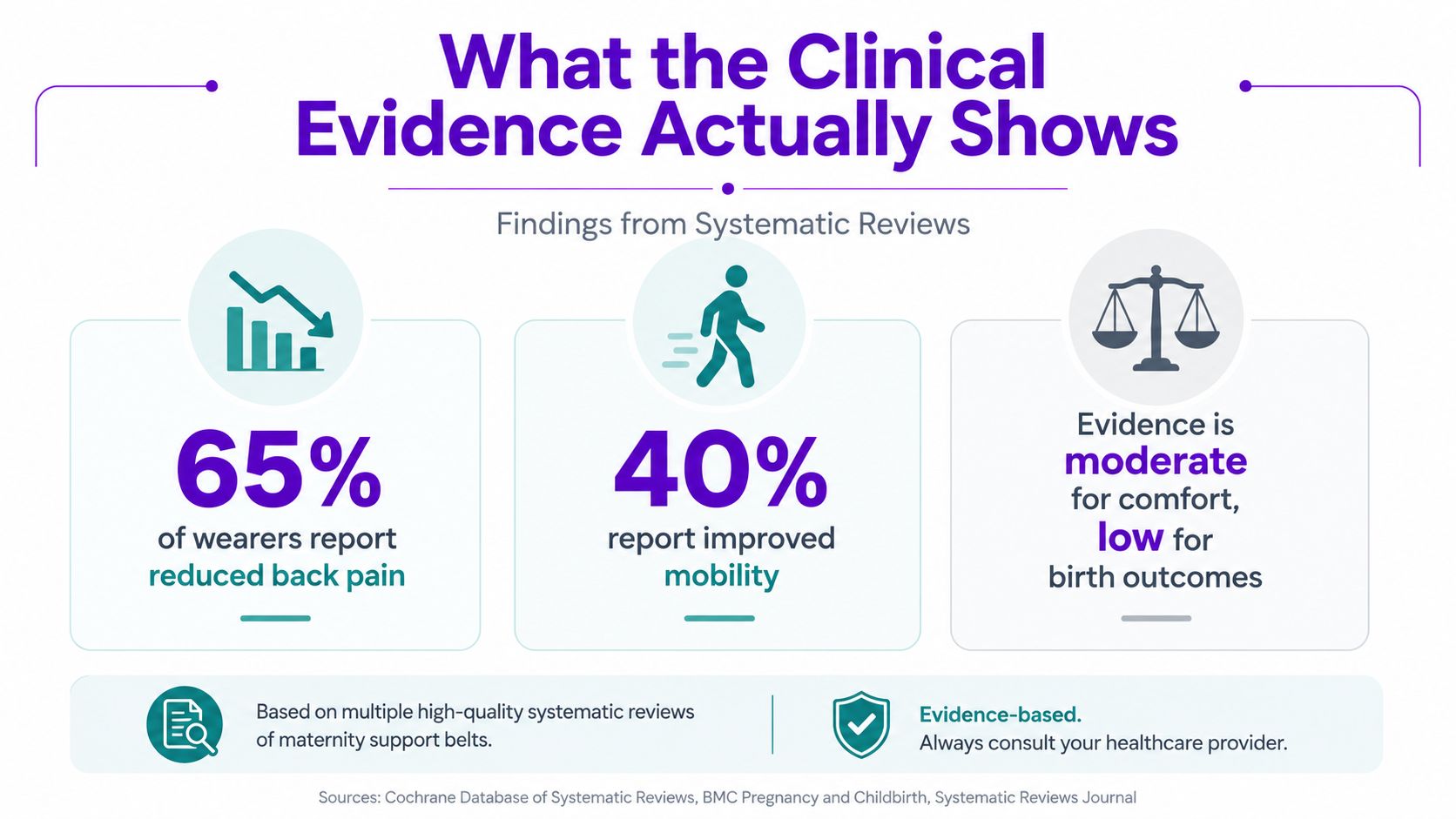
A pregnancy support belt is not a cure-all, but the research does show a real pattern: some women get meaningful relief, especially when the belt matches the type of discomfort they are dealing with. The clinical evidence base is fairly small, which is why careful fit and material choices matter so much. In plain terms, a good belt can help the body feel more supported, but the benefit tends to be practical rather than dramatic.
A systematic review found only a small number of studies on maternity support garments, including belts, and the authors reported possible benefits for low-back pain, pelvic girdle pain, functionality, and mobility systematic review. That matters because it shows the category has clinical support, while also reminding readers that the evidence is still limited. For shoppers, that usually means the best results come from choosing a belt that fits the body well instead of assuming every belt works the same way.
What researchers measured
Researchers did not just ask whether a belt felt nice. They looked at outcomes people notice in daily life, including pain relief, balance, and mobility systematic review. In the studies that tested belts as the only intervention, one trial reported a 36% reduction in Patient-Specific Functional Scale scores for a nonrigid belt and a 34% reduction for a rigid belt, which points to measurable, though moderate, improvement systematic review.
A 2015 pilot randomized trial gives a closer look at how belts perform in everyday use pilot trial. Women wore pelvic support belts for an average of 4.9 ± 2.9 hours per day, and the flexible belt was preferred. After baseline adjustment, function scores were not significantly different between belt types, but pain in the previous 24 hours was statistically better with the flexible belt, with VAS p = 0.049 pilot trial. That matters for plus-size fit, because a belt that stays comfortable over several hours is often the one that gets worn consistently.
How to read the evidence without overreading it
The same trial found that, when both groups were combined, function and pain improved significantly after 3 weeks, with mean difference -2.3; 95% CI: 1.2 to 3.5; p < 0.001 pilot trial. That is encouraging, but it is still a pilot study, so it should be read as a useful signal rather than the final word. A separate review also recommended a flexible belt during the 20th to 30th weeks of pregnancy, while a 2009 review said the evidence was still not enough to conclude belts reliably reduce pregnancy-related low-back pain or pelvic girdle pain pilot trial.
For a practical buyer, the takeaway is steady rather than flashy. Belts can help with comfort and movement, but the result depends on the design, the fit across a fuller abdomen, and whether the materials breathe well enough to wear for more than a short stretch. That is also why some people pair lower-body support strategies instead of relying on one product alone. This overview of compression socks during pregnancy is useful context for that kind of layered support.
Comparing Belt Styles and Support Designs
A pregnancy belt can miss the mark when the support pattern does not match the discomfort pattern. Someone with pelvic pain may choose a soft belly band made for light compression and still feel no real stability. Another shopper may pick a firmer, higher-compression style and run into heat, edge rolling, or a fit that feels fine for a short time and then stops working as the body changes.
How the main styles differ
Cradle-style belts lift from below. That can help when the belly feels heavy and the lower abdomen needs support without a tight wrap around the middle. Wrap-around bands give circumferential compression, so they often feel snug and secure, but they are not always the easiest choice for all-day wear. Dual-panel designs divide support into upper and lower zones, which can help when pelvic pressure and low-back strain show up together.
Postpartum belly bands belong in a separate category. They are made for recovery after birth, not for supporting a bump during pregnancy. A product can be useful for one phase and a poor fit for the other, even if the packaging suggests otherwise.
Style to symptom matching
If the discomfort sits under the bump or in the pelvis, a style that lifts from below usually makes more sense. If the main issue is a sense of heaviness during walking or standing, a wrap design may feel simpler under clothing. If the pain shifts between the back and pelvis, a dual-panel design can give a more even feel across both areas.
The best design is the one you will wear through the hour or the shift that matters. A technically polished belt that digs, slides, or traps heat will not help much.
For shoppers comparing pelvic pain options, the internal category on pregnancy support belts for pelvic pain is a practical reminder that design should follow the pain source, not just the product label.
How the belt works
Support belts do not remove weight from the body, they redistribute it. A cradle-style belt shifts some load upward from the lower abdomen, a wrap-style band spreads pressure more evenly around the torso, and a dual-panel belt tries to separate belly support from pelvic or back support. That difference matters because pressure that feels gentle on one body can feel pinching on another, especially when the abdomen is fuller and the belt must anchor on softer tissue.
Material choice changes the experience just as much as shape. Breathable knit fabrics can help with heat and sweat, while stiffer panels can feel more secure but may also feel less forgiving after several hours. Wide straps, smooth seams, and adjustable closures matter more on plus-size bodies, because the belt needs enough surface area to spread pressure instead of cutting into the skin. The best fit leaves room for a changing abdomen without losing the support line that keeps the belt from sliding.
Pregnancy Support Belt Styles Compared
| Belt Style | Primary Support Focus | Best For | Adjustability | Ideal Trimester |
|---|---|---|---|---|
| Cradle-style belt | Under-belly lift | Belly heaviness, pelvic support | Moderate to high | Second and third |
| Wrap-around band | Circumferential compression | General support, easy wear | High | Second and third |
| Dual-panel design | Separate upper and lower support | Mixed back and pelvic discomfort | High | Second and third |
| Postpartum belly band | Abdominal recovery | After birth recovery only | Varies by design | Postpartum |
That table is the quick reference, but the details matter. The right belt style depends on where you feel strain, how sensitive you are to pressure, and whether the materials let you wear it long enough to be useful without overheating or fidgeting with it every few minutes.
Finding the Right Fit for Plus-Size Bodies
Standard maternity sizing often assumes bodies scale proportionally, and that’s where plus-size shoppers get left behind. Pregnancy doesn’t distribute weight evenly for everyone, and a belt that looks “adjustable” on paper can still fail if it doesn’t have enough runway to grow with you or enough width to spread pressure comfortably.
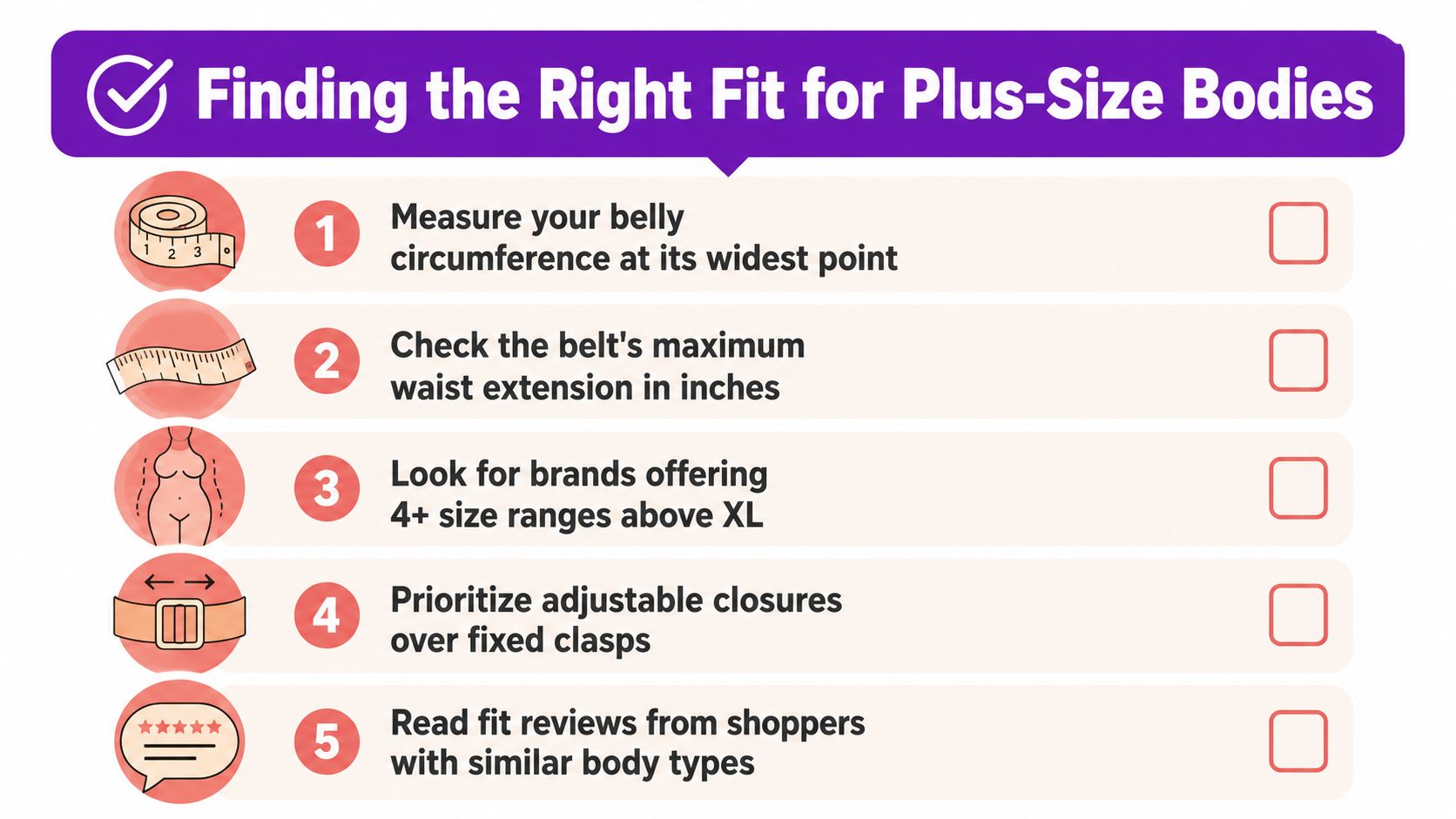
Measure the body you have, not the size you wish the chart used
Start with three measurements, the fullest belly point, the under-belly line, and the hip area where the belt will anchor. For cradle-style belts, the under-belly number matters most because that’s where the support panel needs to sit without riding up. If a chart only asks for waist size, that’s a weak fit signal for pregnancy support.
Then look at the adjustment runway, which is the full amount of closure available as your body changes. One practical benchmark is 12 inches of grow-with-you adjustability, because that gives the belt a better chance of staying useful across trimesters product specs. Wide-band construction also helps because pressure is spread over a larger surface instead of being concentrated in a narrow strip.
Materials matter as much as the size range
Plus-size bodies often have less tolerance for heat buildup and digging, especially during walking or standing. That’s where breathable fabrics and low-irritation finishes make a real difference. Product guidance for one maternity belt emphasizes bamboo-viscose construction and an anti-dig closure, both intended to preserve support while reducing pressure points and trapped heat product specs.
Fit cue: If you have to overtighten the belt to make it “do something,” the size or style isn’t right for you.
The best pregnancy support belts for plus-size bodies usually share three traits, wide panels, adjustable closures, and enough room to expand without losing tension. If a belt only feels comfortable at the very edge of its closure range, it’s already at risk of becoming useless when your bump grows a little more.
The internal product page for a FlexGuard adjustable maternity belly band in XXXL reflects the kind of size-inclusive planning that matters here. Look for that same mindset in any belt you consider, because fit flexibility is part of the product, not an optional extra.
How to Measure and Wear Your Belt Safely
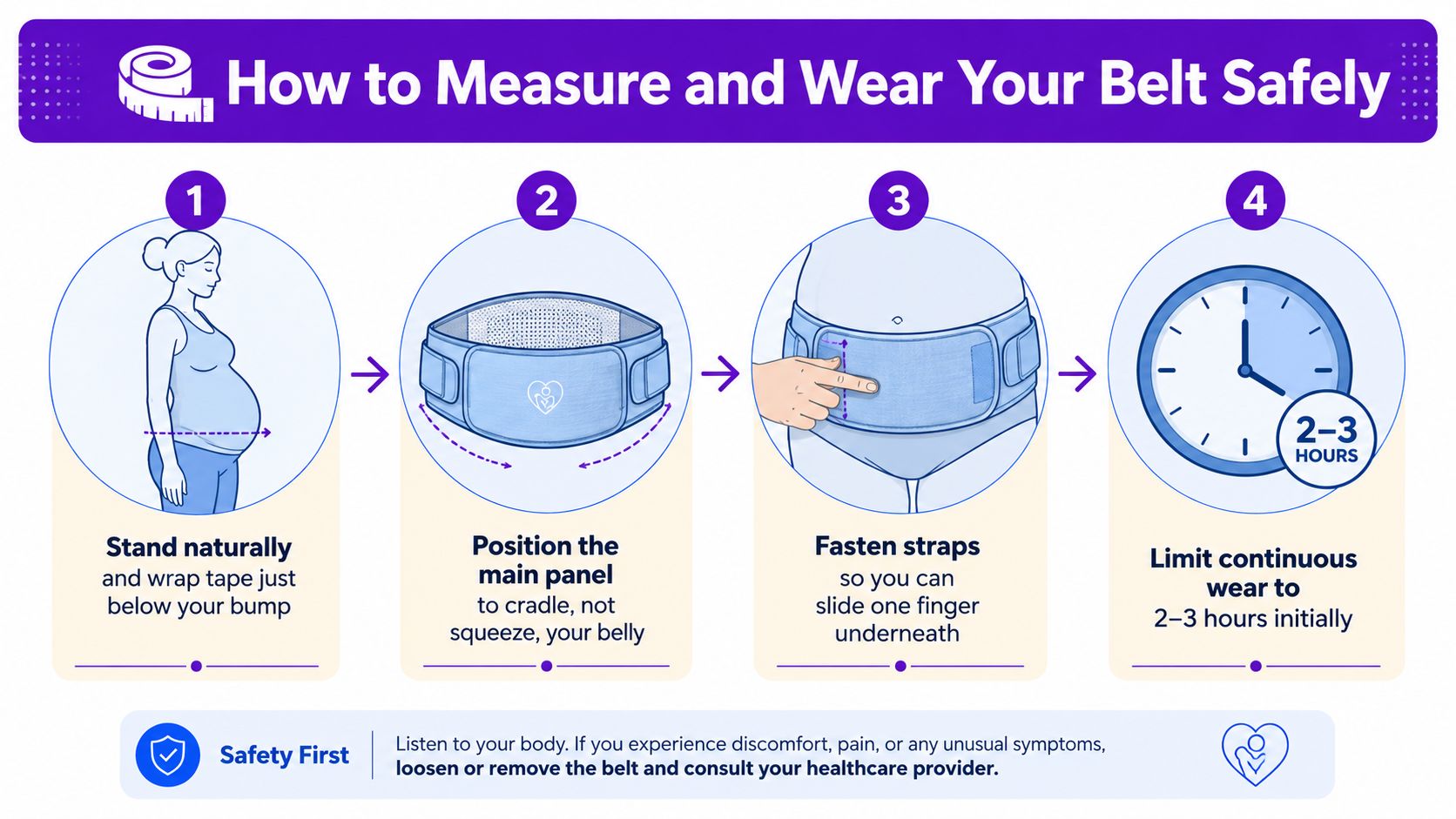
A support belt only works if it sits in the right place. If it rides too high, it can press into the bump instead of lifting it. If it sits too low or too loose, it may slide around and do very little besides remind you it’s there.
Position first, tension second
Stand naturally and place the main support area below the bump, not across the middle of it. The belt should cradle the abdomen from underneath and stabilize the lower back without pinching the belly itself. You’re aiming for support, not compression.
The tension check is simple. You should be able to slide one finger under the closure, and your breathing should stay easy. If the belt makes sitting feel worse, or if you feel numbness, tingling, or pressure that keeps building, remove it and reassess the fit.
Wear it in sensible blocks
In the trial described earlier, women wore belts for an average of 4.9 ± 2.9 hours per day pilot trial. That lines up with the way many people use them in real life, during errands, on walks, or through a work block, not as an all-day, all-night garment. A careful ramp-up is smarter than forcing long wear on the first day.
Don’t treat a support belt like shapewear. If it feels like you need to “push through” the discomfort, stop and adjust.
Quick safety habits
Remove the belt when you’re sleeping, and take breaks during extended sitting if it starts to feel restrictive. Layering it under maternity clothing can reduce bulk, but the main priority is still placement and comfort. If your pregnancy involves a specific medical concern, or your pain feels sudden, severe, or unusual, check in with a healthcare provider before relying on a belt as your main support tool.
Care Instructions and Troubleshooting Common Issues
Support belts live a rough life. They deal with sweat, stretching, repeated fastening, and constant body movement, so care isn’t just about keeping them clean, it’s about preserving the fit and the support you paid for. A well-maintained belt holds its shape longer and keeps the closure working the way it should.
Cleaning and fabric care
If your belt uses a softer blend like bamboo-viscose, follow the garment instructions closely so you don’t damage the fabric’s feel or structure. Heat and harsh washing can shorten the life of the material and make the surface less comfortable against sensitive skin. Closure care matters too, because Velcro and similar fasteners lose grip if they collect lint or fibers.
A simple habit helps here. Close the fasteners before washing, wash gently, and let the belt dry fully before storing it. That keeps the closure cleaner and reduces the chance of the fabric warping into an awkward shape.
What to do when the belt starts acting up
If the belt rolls or bunches, it usually means the fit is off, the panel is sitting too high, or the tension is uneven. Reposition it lower on the torso and make sure the support is centered under the bump. If the edges dig into the skin, you may need a wider band or a softer material, especially if heat is making your skin more sensitive.
If the belt rides up, that’s often a sign it doesn’t have enough anchoring below the belly or that it’s being worn too loosely. If it suddenly feels less supportive than it did a few weeks ago, your body may have outgrown the available adjustment range.
A belt that needs constant fussing is telling you something. It’s either the wrong size, the wrong shape, or past its useful range.
Heat buildup is the final common issue. Breathable construction helps, but if you’re still feeling hot and irritated, shorten wear sessions and check whether the fabric is trapping moisture. The right fix is often a better material choice, not more tightening.
Your Complete Buying Checklist Before You Order
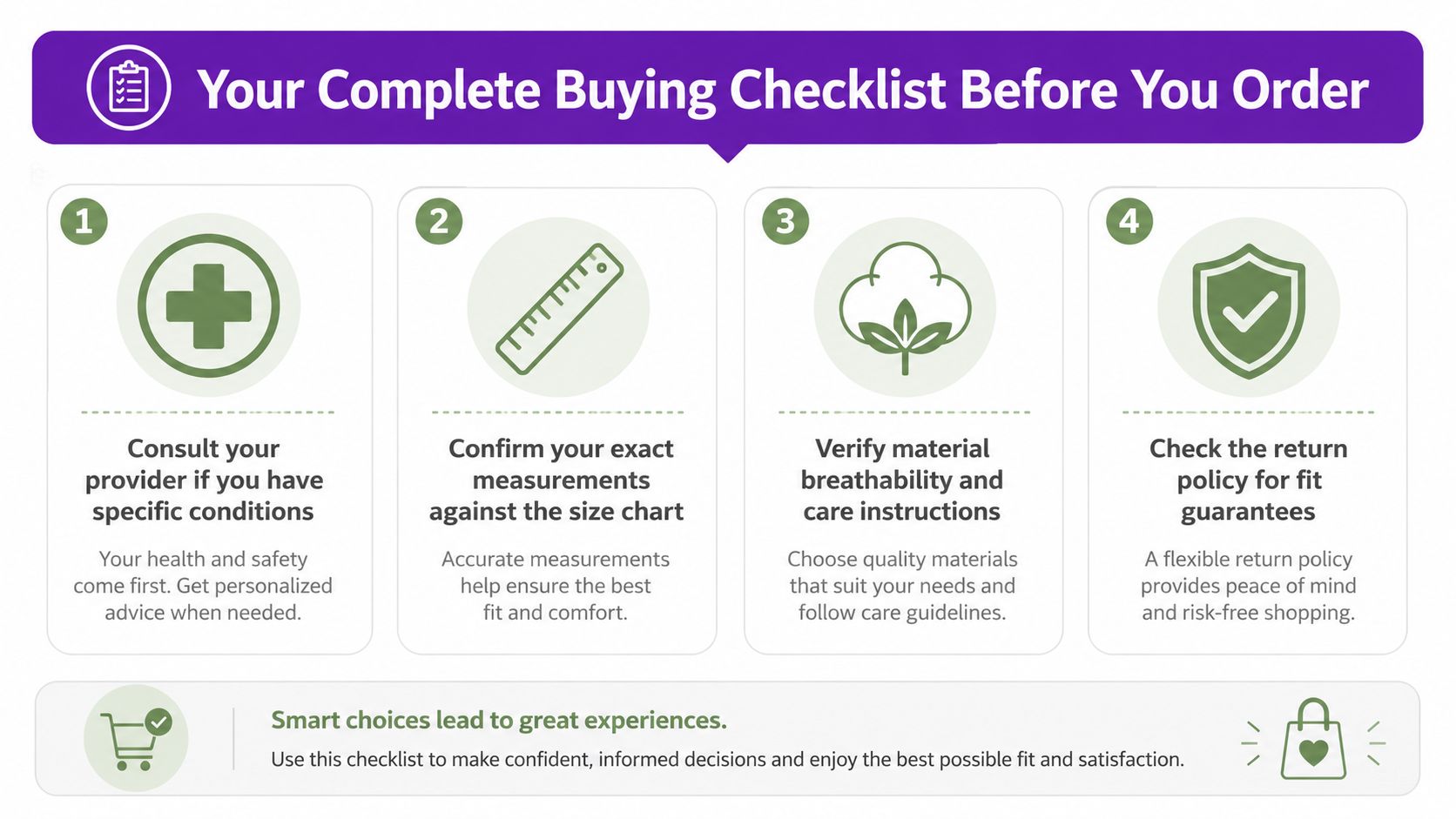
A good purchase starts with a few key essentials. If you skip the basics, you can end up with a belt that looks right online but fails the moment your body moves, swells, or changes shape. The goal is to buy once, not keep testing replacements every few weeks.
Use this checklist before you click buy
- Confirm your measurements: Check the size chart against your under-belly and fullest-belly measurements, not just a generic waist size.
- Inspect the material: Look for breathable fabrics and finishes that won’t irritate your skin or trap too much heat.
- Check the adjustability runway: A longer closure range gives you a better shot at getting through growth changes without losing support.
- Match the style to the symptom: Pick a cradle, wrap, or dual-panel design based on where your discomfort shows up.
- Verify the return policy: Fit is personal, so a fair return window matters if the belt doesn’t sit right on your body.
Retail reliability matters too. A good seller makes sizing information clear, offers realistic shipping expectations, and doesn’t bury the return terms. If the listing is vague about material, closure type, or how the belt is meant to sit, that’s a warning sign.
For plus-size shoppers, the red flags are usually easy to spot once you know what to look for. One-size-fits-all language, tiny adjustment ranges, and narrow bands that promise “universal support” are all signs the product may not be built for real pregnancy bodies.
Frequently Asked Questions About Pregnancy Belts
A lot of readers are still left with the same few questions even after they understand the basics. That’s normal, because belts sit in the gap between apparel and support gear, and the details matter.
Are pregnancy support belts safe for the baby?
The belt should support you, not compress your abdomen. When worn correctly, it’s meant to cradle the bump and reduce strain on your back and pelvis, not press inward. If it feels restrictive or changes your breathing, that’s a fit problem, not a benefit.
Can one belt work during pregnancy and after birth?
Some products try to do both, but the use cases aren’t identical. Pregnancy belts lift and stabilize during pregnancy, while postpartum bands focus more on abdominal recovery. A hybrid product can be convenient, but only if it still fits the job you need right now.
Do insurance or FSA and HSA plans cover these belts?
Coverage depends on the plan and the retailer’s documentation. If you want to use a health account, check the item description, the receipt format, and your plan rules before ordering so you don’t have to sort out paperwork later.
Can I wear a belt with compression socks?
Yes, many people pair a support belt with lower-leg compression if they’re dealing with swelling or long hours on their feet. The belt and the socks do different jobs, so they can complement each other rather than compete.
Brasi Chic curates size-inclusive maternity apparel and medical-grade compression socks for women who need comfort that fits real life, not just a stock photo. If you’re comparing pregnancy support options and want a retailer that understands plus-size needs, visit Brasi Chic and explore supportive pieces designed for pregnancy, postpartum, and everyday wear.
Recommended products
-
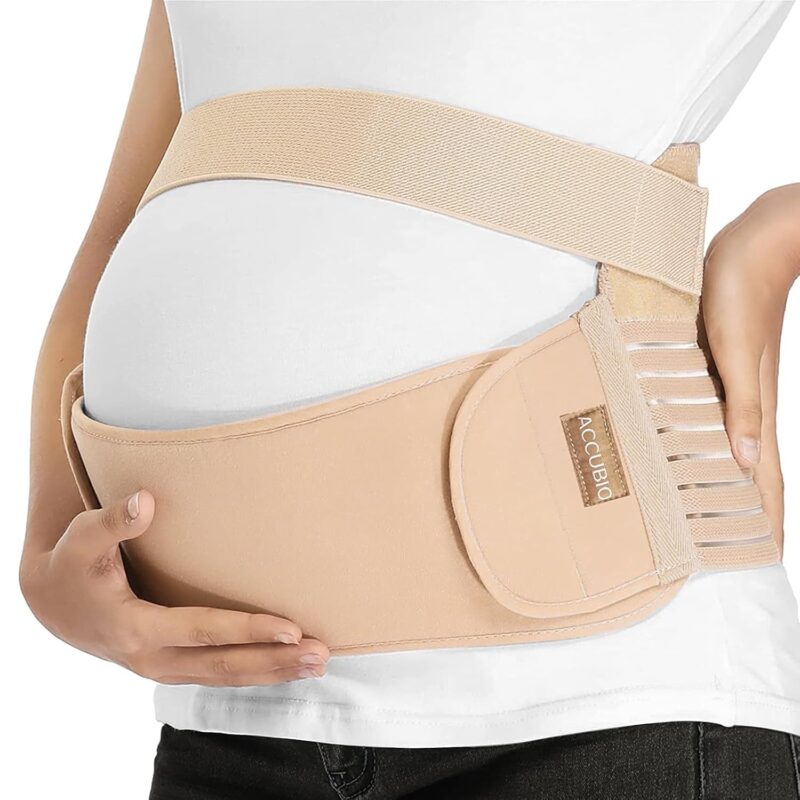
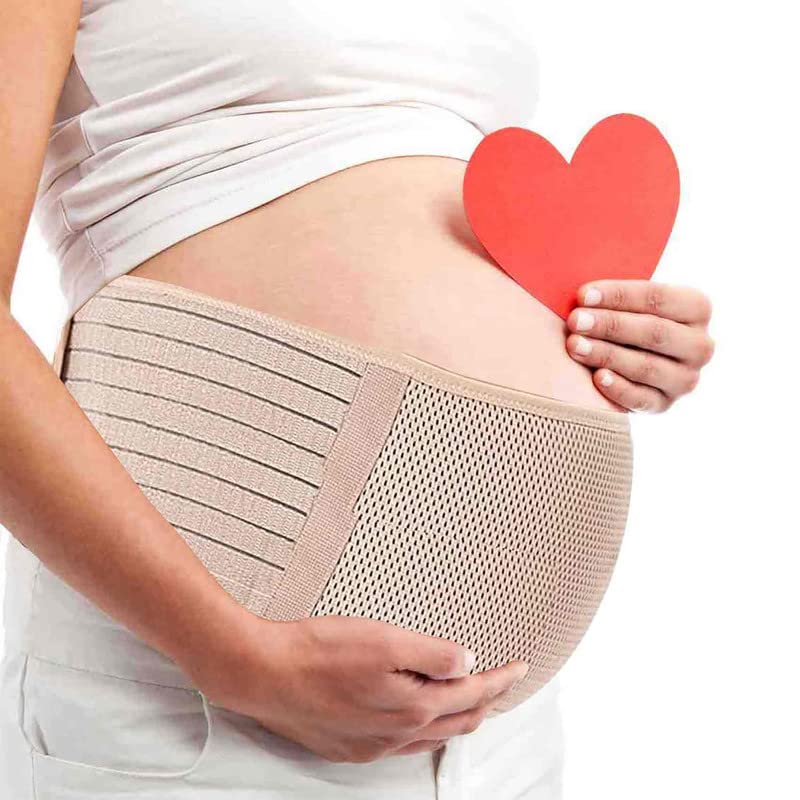
ACCUBIO Pregnancy Belly Band for Women, Adjustable Maternity Support Belt
Price range: $17.00 through $22.00 -
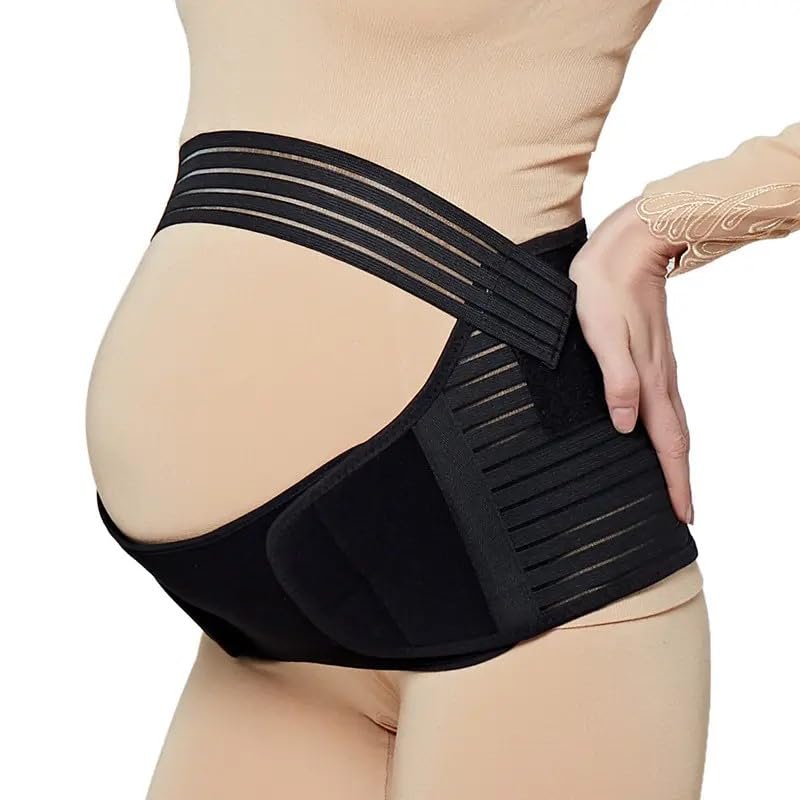
AIWITHPM Pregnancy Support Belt for Lower Back Pain
Price range: $14.00 through $22.00 -
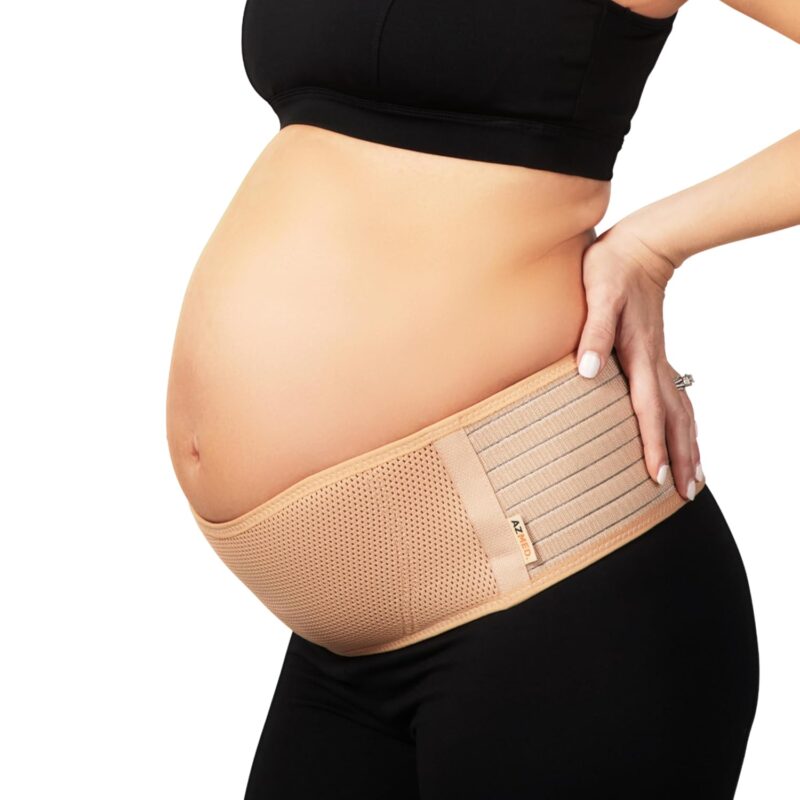
AlphaDesignLuxe 3-in-1 Maternity Belly Band Pregnancy Support Belt
$18.00 -
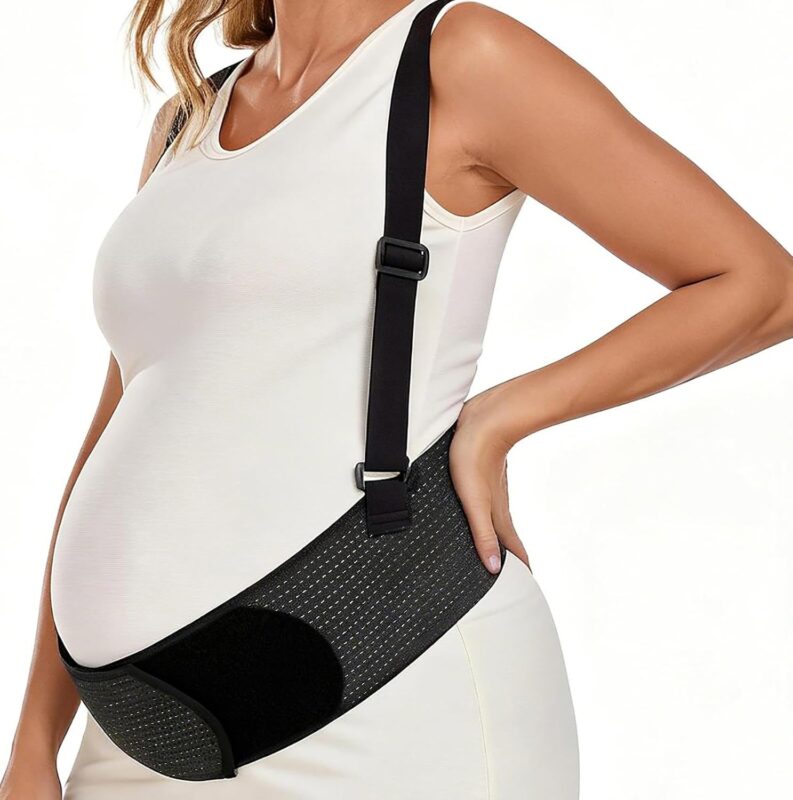
AZMED Maternity Belt Back Support Pregnancy Belly Band
Price range: $23.00 through $24.00 -
BBMOM Pregnancy Belly Band Maternity Support Belt Adjustable Gray M
$28.00