
Blog
Do Compression Socks Work for Plantar Fasciitis

Yes, compression socks can reduce plantar fasciitis pain and swelling, but they’re not a standalone cure. They work best alongside orthotics, stretching, and proper footwear.
Why does that qualified answer matter so much? Because plantar fasciitis is often treated as if one product should fix everything, when the problem is really mechanical, inflammatory, and load-related at the same time. Compression socks can help some of the symptoms that make mornings miserable, but they don’t rebuild the tissue that’s getting overloaded in the first place.
Table of Contents
- The Short Answer Most Readers Want First
- What Plantar Fasciitis Actually Is
- How Compression Socks Are Supposed to Help
- What the Evidence Shows
- Compression Socks Versus Orthotics and Other Standard Treatments
- Choosing the Right Compression Sock for Plantar Fasciitis
- Common Misconceptions About Compression Socks and Foot Pain
- Building a Practical Plan That Works
The Short Answer Most Readers Want First
If your first question is do compression socks work for plantar fasciitis, the honest answer is yes, sometimes, for symptom relief. The stronger evidence and clinical commentary point to benefits like less swelling, better circulation support, and short-term pain reduction, but not a proven cure or a replacement for standard care. A 2025 consumer review described the evidence as limited and largely anecdotal, while also noting that support socks are best viewed as a symptom-management tool rather than a fix for the condition itself Healthline review.
That distinction matters because readers often ask the wrong question. They ask whether socks “heal” plantar fasciitis, when the more useful question is whether they make daily life more manageable while other treatments do the heavier lifting. Podiatry-oriented guidance published in 2025 says compression socks can be effective when they’re combined with orthotics, proper shoes, and stretching, and another clinic review says there’s still no published peer-reviewed evidence proving they heal plantar fasciitis Ortho Feet guidance.
Practical rule: if your pain feels worse after standing, travel, or long periods of swelling, compression socks are more likely to feel helpful than if your main issue is arch collapse or severe morning heel pain alone.
That’s why the best answer is a layered one. Compression socks can be a low-risk adjunct, especially when discomfort and swelling travel together, but they’re not the main treatment. They make the most sense as one piece of a plan that also addresses load, footwear, and tissue tension.
What Plantar Fasciitis Actually Is
The plantar fascia is a thick band of connective tissue running along the bottom of the foot from the heel toward the toes. A helpful way to think about it is as a bowstring under the arch, or a built-in shock absorber that helps the foot handle impact every time you step.
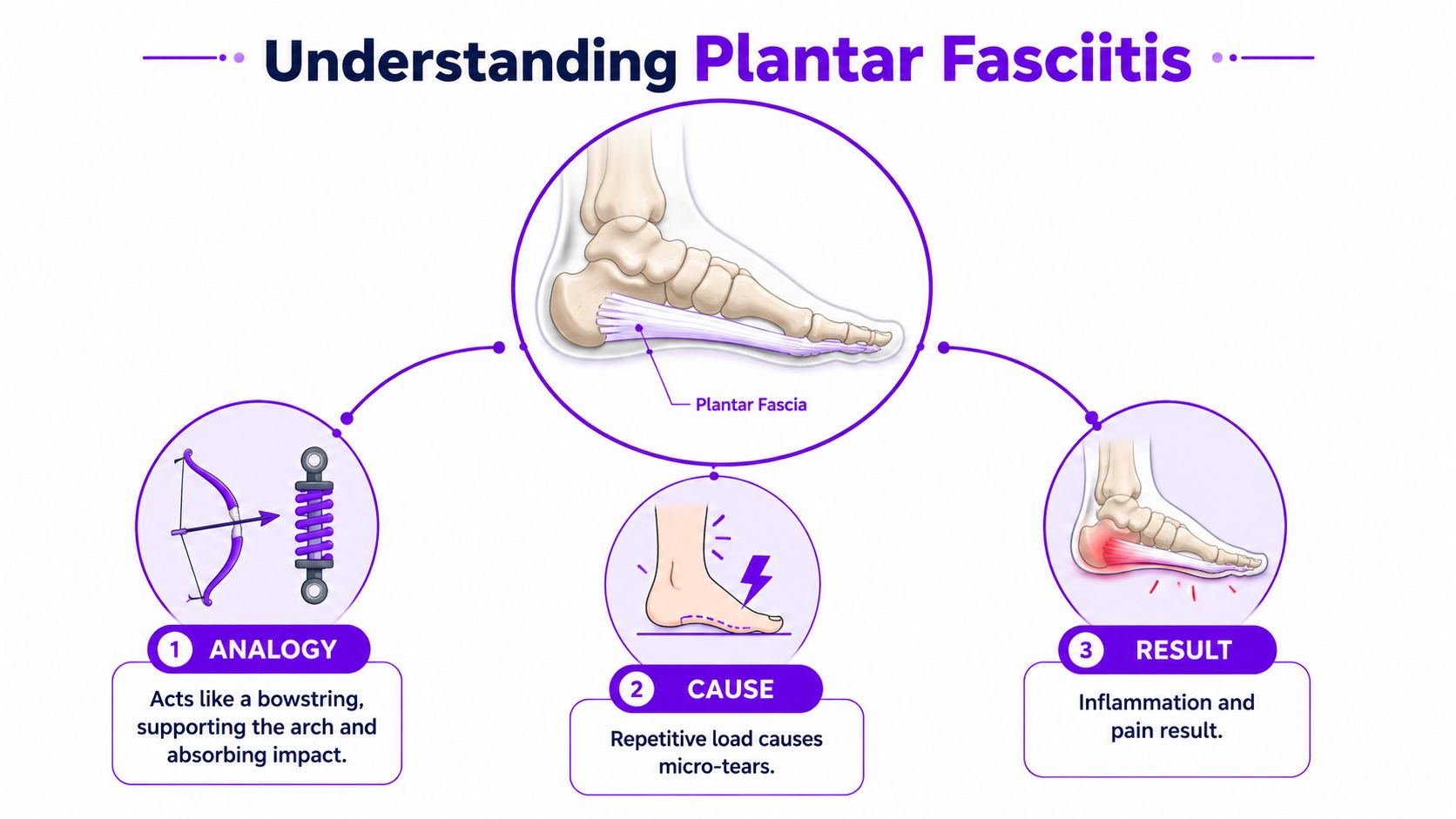
When that tissue gets overworked, small injuries can build up. The usual result is a heel or arch that hurts most when you first stand up after resting, because the fascia has tightened while you were off your feet, then has to take load again all at once.
Why the morning pain feels so sharp
The first steps out of bed are often the worst because the tissue hasn’t been warmed up yet. After long standing, the same foot can also feel sore, stiff, or swollen, especially if the day has involved hard floors, unsupportive shoes, or repeated impact. A 2025 review for consumers described plantar fasciitis as a leading cause of heel pain and noted that support socks are usually discussed as an adjunct to stretching, footwear changes, and orthotics Healthline review.
That’s the part many people miss. Plantar fasciitis isn’t mainly a “blood flow problem,” but it can still be influenced by how much fluid pools in the lower leg and how much pressure the foot is under during the day.
Why swelling changes the experience
Swelling doesn’t cause every case of plantar fasciitis, but it can make a painful foot feel heavier and more irritated. That’s why some people notice more comfort from compression than others do. The socks don’t repair the fascia, they mainly change how the foot feels while the fascia is still recovering.
How Compression Socks Are Supposed to Help
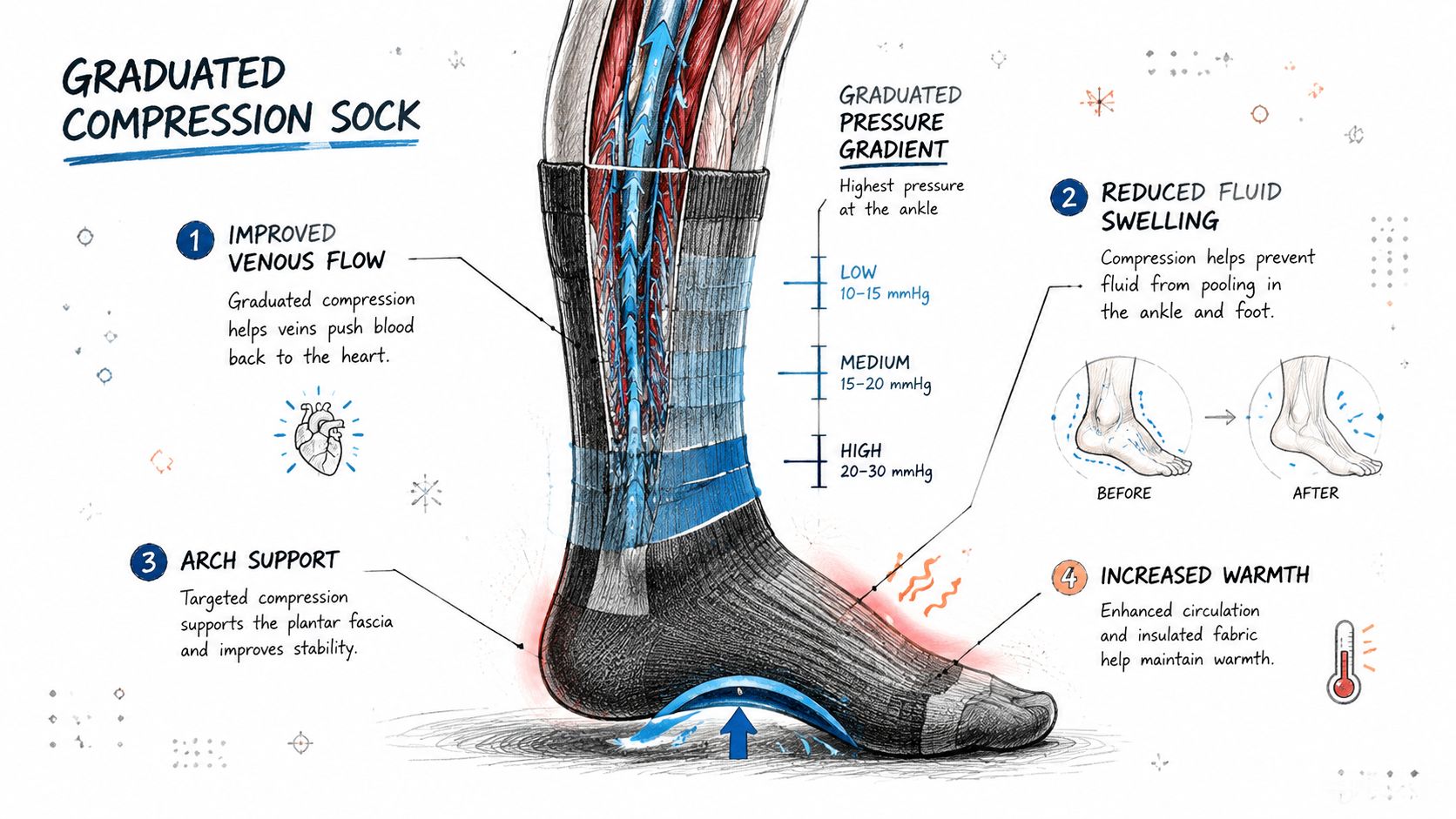
Compression socks work by applying graduated pressure, tighter near the ankle and slightly looser as they move up the leg. Think of it as a gentle squeeze and lift that encourages fluid to move upward instead of pooling around the feet and ankles.
The proposed mechanisms are practical, not magical
The most plausible benefits are fairly simple. Compression can support venous return, reduce fluid pooling, and create a snug feeling that may make the foot feel more stable. Some people also like the light warmth, which can make stiff feet feel less cranky after rest.
A randomized clinical trial of biomechanical socks for plantar fasciitis found that the socks were beneficial for reducing pain after 15 days, but that pain relief did not translate into measurable gains in disability or activity limitation over that short period trial. That’s a useful clue. The socks may help you feel better, but feeling better is not the same thing as restoring full function.
Compression is best understood as a comfort tool that may reduce the load of swelling and standing, not as a treatment that repairs the plantar fascia itself.
A 2025 clinical discussion also emphasized that compression socks can help with symptom control when paired with orthotics, proper shoes, and stretching, but not as a standalone treatment OrthoFeet guidance. Another independent commentary pointed out the same limitation, saying the evidence for plantar-fasciitis-specific benefit remains limited Vim & Vigr discussion.
That’s why results vary so much. If swelling and dependent pressure are part of your pain pattern, compression may feel noticeably useful. If your main issue is tissue overload from foot mechanics, the sock can help with comfort, but it won’t replace the fixes that change how the foot is loaded.
What the Evidence Shows
The cleanest way to read the research is to separate symptom relief from treatment effect. Compression socks have some support for easing discomfort, but the stronger evidence still favors mechanical offloading when the goal is broader improvement in plantar fasciitis.
The randomized trial already mentioned found short-term pain improvement without matching gains in disability or activity limitation. That gap matters because a foot can feel calmer while still reacting to the same stresses. Less pain does not automatically mean the fascia is ready for the same workload.
A broader review of conservative care points in the same direction. Contoured full-length insoles performed better than heel cups for symptom relief, and night splints or rocker shoes worked better when paired with insoles than when used alone systematic review. That does not make compression socks worthless. It shows that the strongest evidence is tied to tools that reduce strain, support healing overnight, or change how the foot loads during walking.
Compression fits as a support measure, not as the main fix. Socks may help someone get through a long work shift, a travel day, or a stretch of standing with less discomfort, and they can make swelling feel more manageable. The evidence base still places orthoses, night splints, and rocker shoes ahead of compression alone for meaningful management.
A practical way to separate the roles is to ask what problem each tool is solving. Compression socks are mainly about comfort and circulation. Orthotic and footwear strategies are more likely to change the forces that keep irritating the plantar fascia.
That is why wording around these products matters. Claims about “better circulation” and “less inflammation” can blur temporary relief with real treatment. A careful reading of the research says compression can be useful, especially alongside an orthotic, proper shoes, and stretching, and it can help with swelling, as discussed in this guide to the best women’s compression socks for swollen feet. The evidence does not support calling it a cure.
Compression Socks Versus Orthotics and Other Standard Treatments
Compression socks and orthotics solve different problems. Socks mainly address swelling, comfort, and support around the lower leg and foot, while orthotics and related devices change how the foot bears weight. That difference matters because plantar fasciitis often feels like one problem, yet it usually has two parts, irritation in the fascia and the way the foot is being loaded.
The strongest comparative evidence still points toward mechanical offloading. A systematic review found that contoured full-length insoles outperformed heel cups for symptom relief, and that night splints or rocker shoes work better when combined with insoles than when used alone. That matters because plantar fasciitis is often a load problem before it’s a comfort problem, the fascia is reacting to repeated strain the way a rope frays where it keeps rubbing.
How to think about each option
- Compression socks are most useful when swelling, fatigue, or long hours standing make symptoms feel heavier.
- Orthotics are more useful when arch support and pressure redistribution matter most.
- Night splints are designed to keep the fascia from tightening overnight.
- Rocker shoes help reduce the motion and strain that hit the heel during walking.
A useful way to separate them is to ask what changes after you put the device on. Compression can make a foot feel less puffy and less tired, like easing pressure in a crowded room, but it does not reshape how every step loads the heel. Orthotics and footwear changes work more directly on that loading pattern, which is why they stay at the center of treatment planning.
That is why socks should be viewed as an adjunct. They can make the day more tolerable, but they do not replace the tools that target foot mechanics. A person with plantar fasciitis can wear compression all day and still keep re-irritating the tissue if the shoes are flat, worn out, or unsupportive.
A practical fit note also matters. Compression needs to feel snug without cutting in, and the right material should match the day you’re having. For a more style-focused overview of sock types and wearability, see this a guide to women’s compression sock styles and fit considerations.
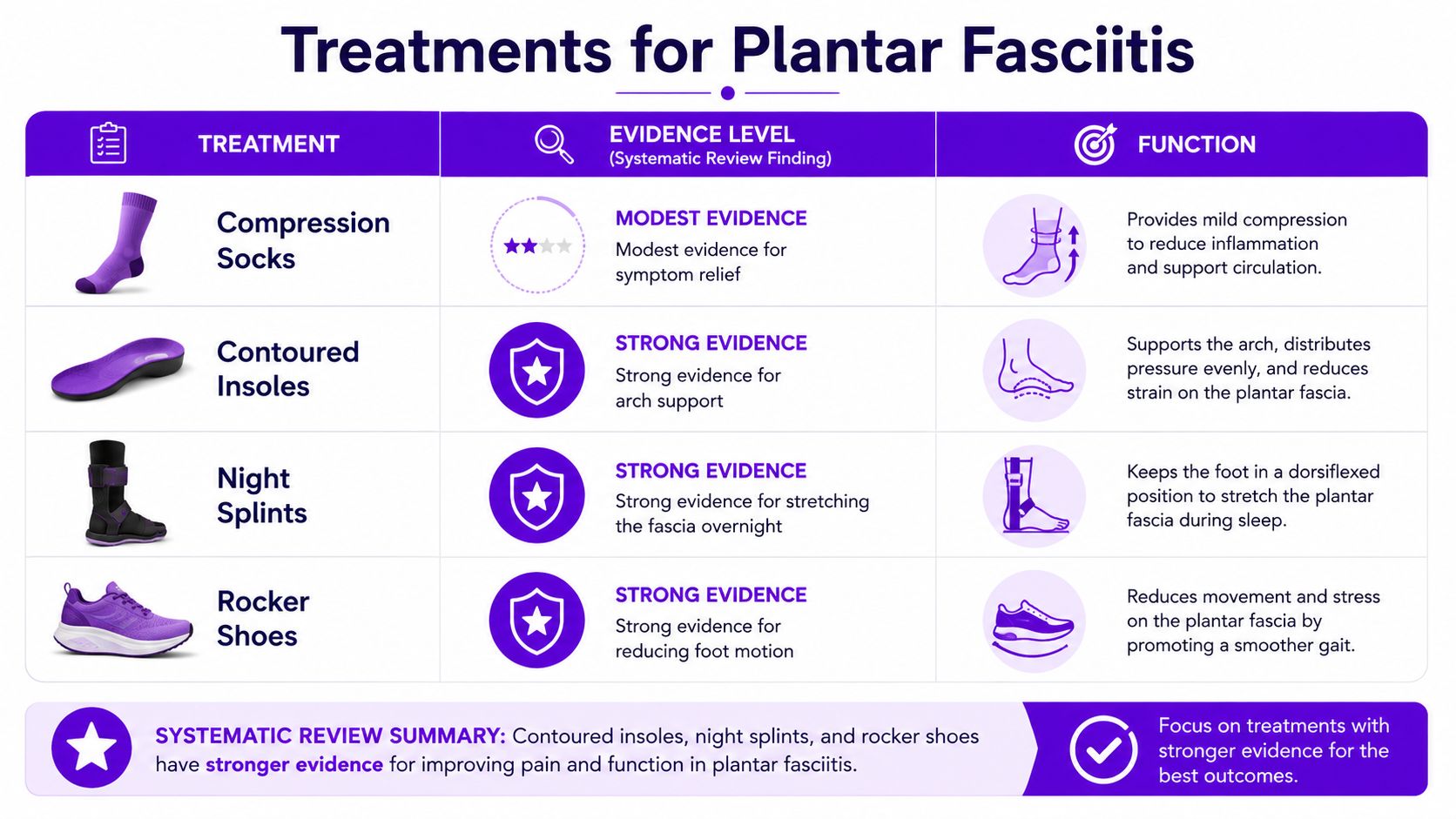
The video above can help you compare the main treatment categories side by side, especially if you are trying to understand why a sock may ease swelling while an insole or rocker shoe is doing the heavier lifting for pain control.
Choosing the Right Compression Sock for Plantar Fasciitis
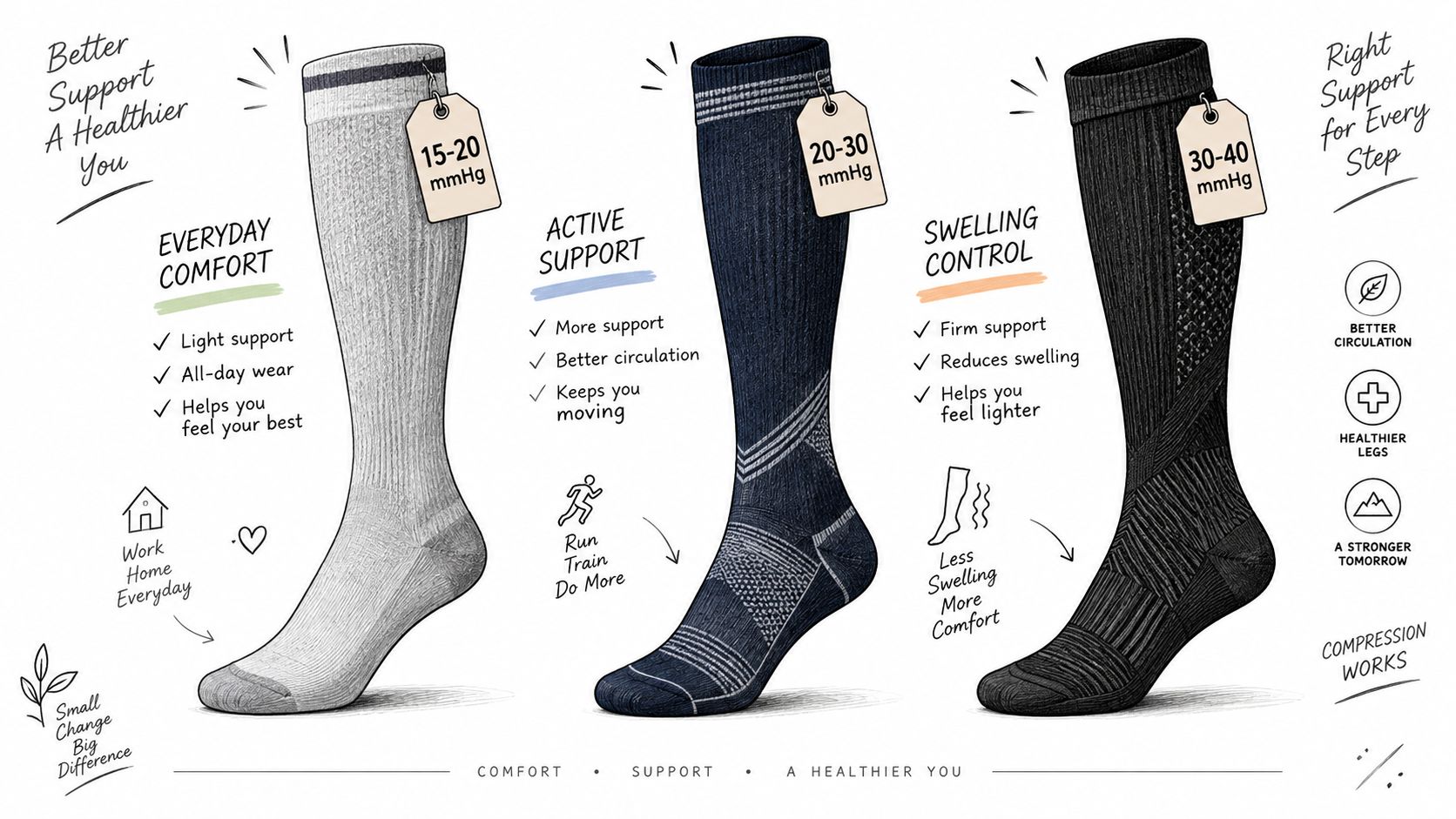
The best sock is the one that fits the reason your foot is bothering you. A higher pressure label does not automatically mean better results, because compression should feel supportive and wearable, not tight enough to distract you all day.
A simple way to sort the options is to start with the symptom pattern, then match the sock to that pattern.
If your feet swell by the end of the day, a moderate sock with a snug but comfortable fit may feel more useful. If the pain shows up after long standing, travel, or a desk job that ends in a lot of walking, the added circulation support may reduce that heavy, tired-foot feeling. If the main problem is arch strain without much swelling, the effect may be subtler.
Fit matters just as much as pressure. The sock should feel secure through the arch and ankle, stay put, and avoid bunching at the toes or digging into the calf. Wide-calf and open-toe options can make a difference when swelling or body shape makes standard sizing feel off. A sock you can tolerate all day is usually more useful than a theoretically ideal one you never keep on.
Choose the feature that matches the day
- Lower pressure options usually suit everyday wear and first-time users who want lighter support.
- Moderate pressure options often work better for long shifts or more noticeable swelling.
- Open-toe designs can help if toe room or heat is a problem.
- Arch-support panels can add a steadier feel under the foot.
A nurse on a 12-hour shift may care less about style and more about whether the sock stays comfortable from the first hour to the last. A person who sits most of the day and then walks after work may want a different balance of coverage, firmness, and breathability.
For a comparison of compression sock styles including pressure levels and design features, see this a comparison of compression sock styles including pressure levels and design features.
Compression helps most when the discomfort overlaps with swelling, standing, pregnancy-related leg heaviness, or travel, because those are the situations where the support and lift effect is easiest to notice. For some readers, that makes compression a daily comfort tool. For others, it works best as one layer in a broader plan that also includes orthotics, better shoes, and stretching.
Common Misconceptions About Compression Socks and Foot Pain
One of the most common mistakes is treating compression socks like a cure. They’re not a magic repair device for the plantar fascia, and they don’t behave like orthotics or a night splint.
The difference is simple. Compression changes pressure and fluid movement, while orthotics and footwear change load and alignment. If your shoe keeps collapsing your arch or your calves are tight enough to keep pulling on the heel, a sock may make the foot feel better without fixing the cause of the flare.
Belief versus reality
- Belief: compression socks heal plantar fasciitis.
Reality: they can help with symptoms, but clinic commentary says there’s still no published peer-reviewed evidence proving they heal the condition Vim & Vigr discussion. - Belief: higher pressure always works better.
Reality: fit and tolerance matter more than chasing the strongest squeeze, because an uncomfortable sock won’t get worn consistently. - Belief: socks replace stretching.
Reality: they don’t change tissue length or calf tightness, so stretching still matters. - Belief: socks work the same way as orthotics.
Reality: orthotics support structure, socks support circulation and comfort.
A 2025 podiatry-oriented review said these socks can work best for symptom control when paired with orthotics, proper shoes, and stretching, not instead of them OrthoFeet guidance. That’s the most grounded way to use them.
If you want a useful routine, think in layers. Wear supportive shoes for the day, keep stretching in the mix, and use compression when your feet feel heavy, swollen, or overworked. For an example of how compression products are presented alongside foot-support use cases, you can compare that approach with this plantar fasciitis sock product page.
Building a Practical Plan That Works
Compression socks fit best as part of a larger plan, not as a replacement for the things that address plantar fasciitis itself. Start with morning stretching, add supportive footwear, use orthotics if they have been recommended, and bring compression socks into the day when swelling, standing, or travel make your feet feel worse.
That sequence matters because each tool is doing a different job. The sock does not rebuild the fascia, just as a bandage does not set a bone. It can still make the foot more comfortable while the bigger mechanical problems are being handled.
A simple decision rule
Use compression socks when your pain pattern includes any of these:
- Swelling after standing, because pressure is most likely to feel soothing when fluid builds up.
- Long work shifts or travel, because sitting or standing for long periods can leave the feet feeling heavy.
- Heavy, achy feet, especially when the discomfort is broad and tired-feeling rather than sharply localized.
If your pain is mostly the classic first-step pattern in the morning, socks may still help, but they are usually only one piece of the picture. That is when stretching, night splints, better shoes, or orthotic support tend to matter more, because those tools address tension and load more directly.
The main point stays simple. Do compression socks work for plantar fasciitis? They can help with comfort, swelling, and circulation, but they work best as a circulation and swelling adjunct. The people who tend to benefit most use them alongside the treatments that address alignment, load, and tissue tension.
If you are building a daily routine around foot pain, swelling, pregnancy, or long hours on your feet, Brasi Chic offers compression sock options and size-inclusive support wear for everyday comfort. Visit Brasi Chic to explore styles, fit options, and pressure levels that can fit alongside the shoes and recovery habits you already use.
Products by Category
-
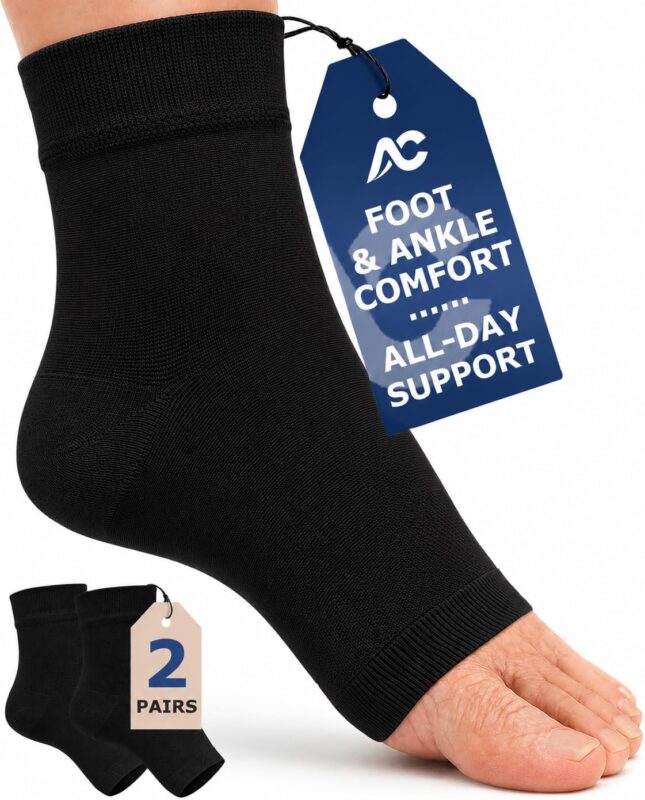
ACTINPUT Plantar Fasciitis Compression Sleeves 8-15 mmHg, 2 Pack
Price range: $14.00 through $21.00 -
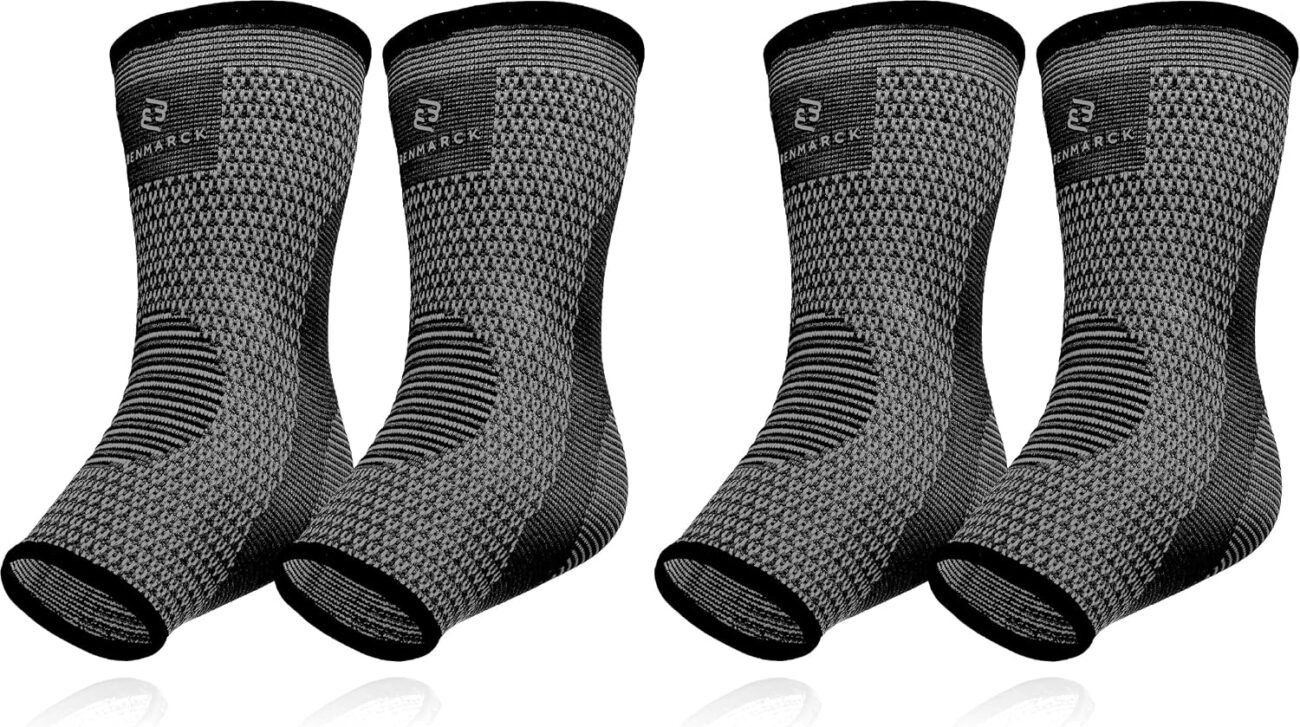
Benmarck Plantar Fasciitis Compression Sleeve with Achilles Support
Price range: $72.00 through $144.00 -
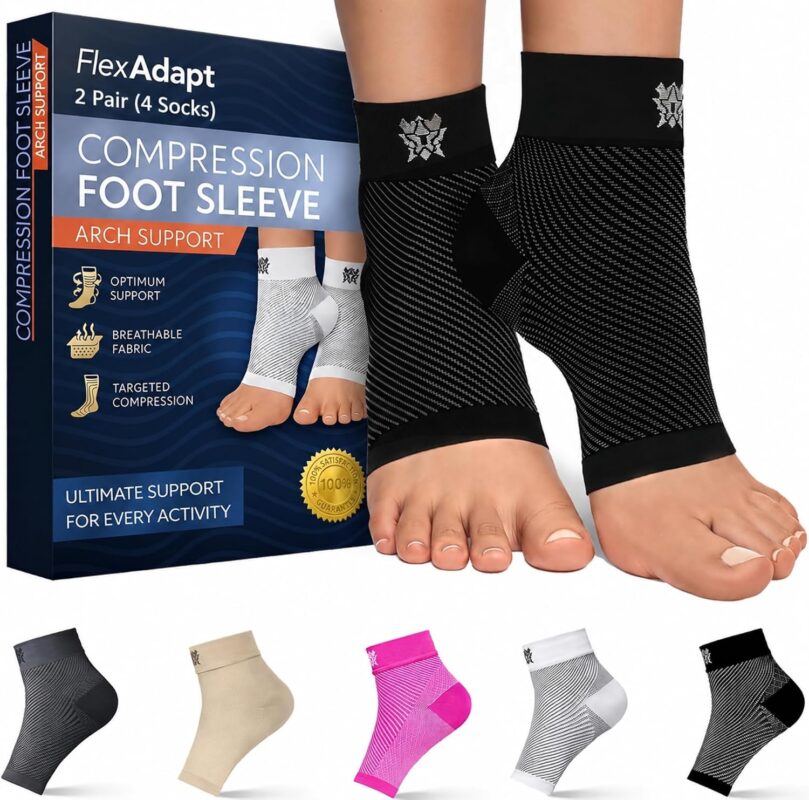
Bitly Plantar Fasciitis Compression Socks with Arch Support | Ankle Sleeves
Price range: $6.00 through $9.00 -
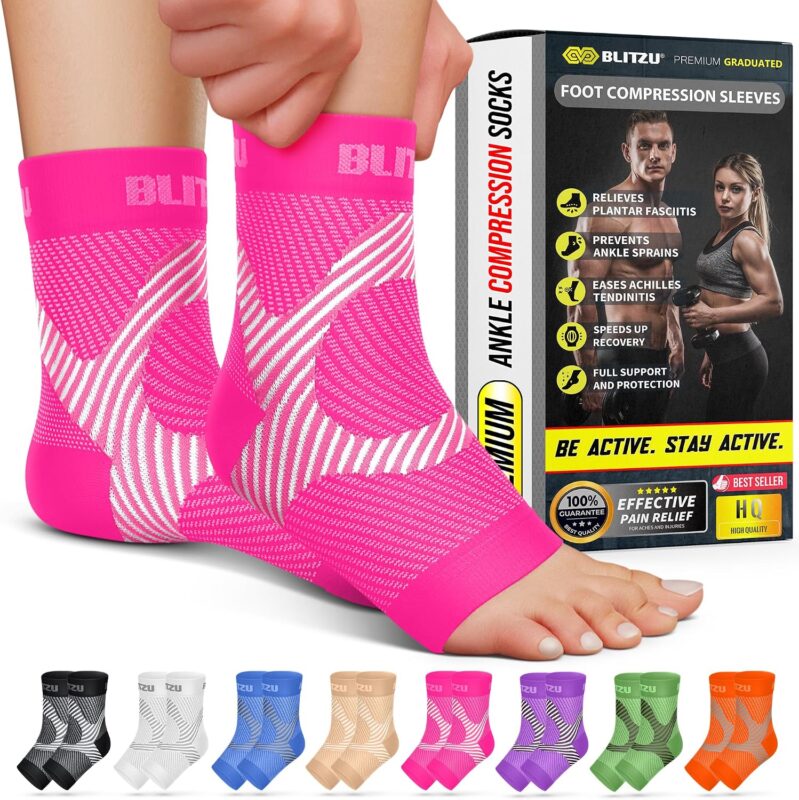
BLITZU Ankle Compression Brace for Plantar Fasciitis & Arch Support
Price range: $13.00 through $14.00 -
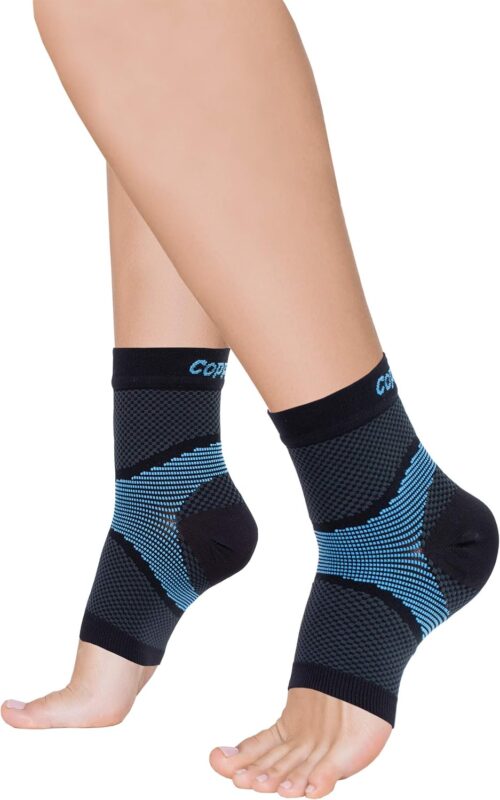
Copper Fit ICE Plantar Fasciitis Compression Foot & Ankle Sleeves
$28.00 -
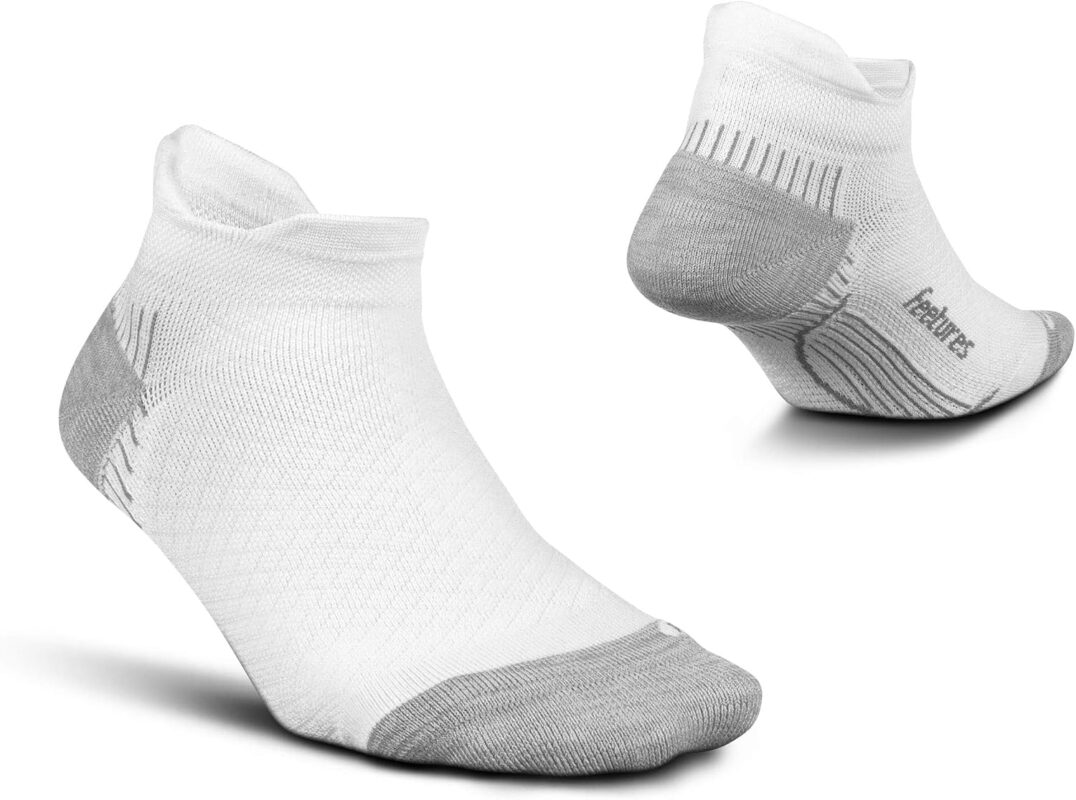
Feetures Plantar Fasciitis Socks with Targeted Compression
Price range: $431.00 through $1,281.00 -
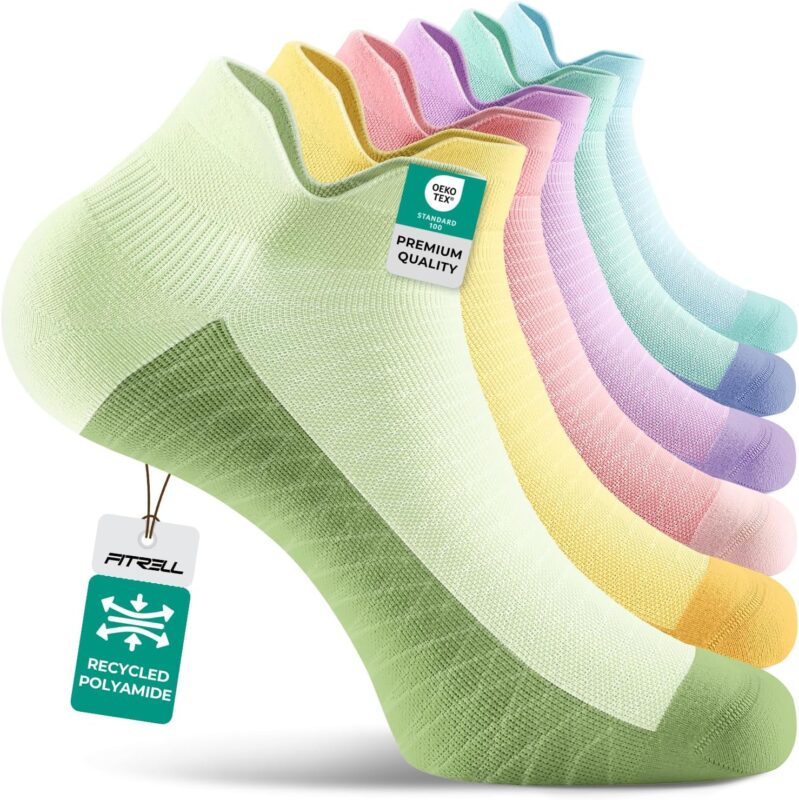
FITRELL Plantar Fasciitis Compression Socks with Arch Support, 5/6 Pairs
Price range: $18.00 through $21.00 -
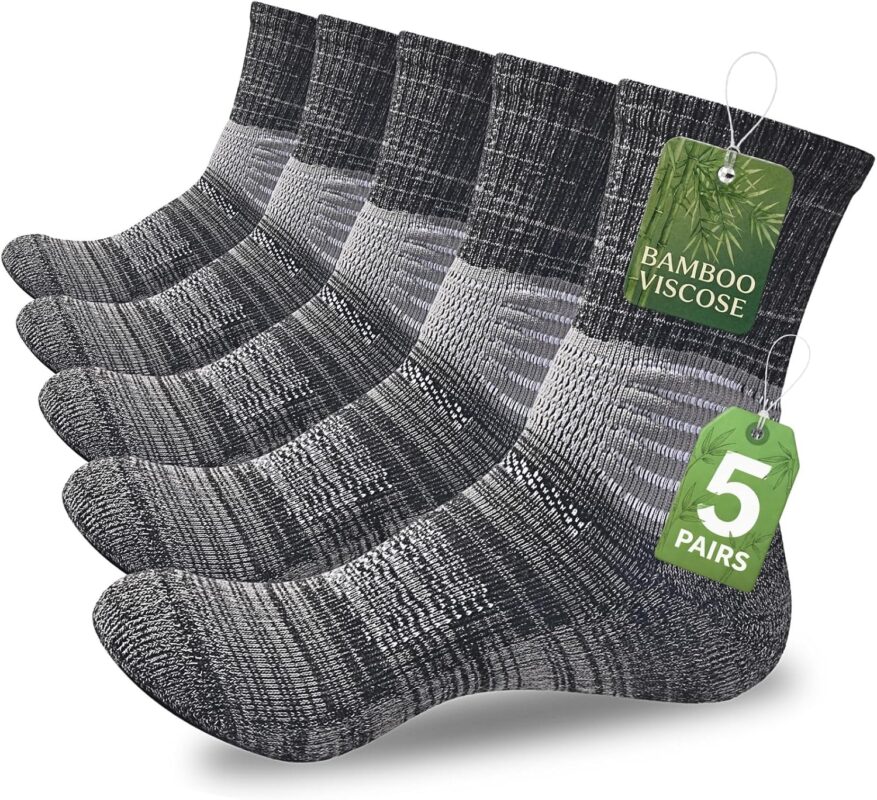
IRAMY Compression Crew Socks for Plantar Fasciitis Relief 3 Pairs
Price range: $14.00 through $18.00 -
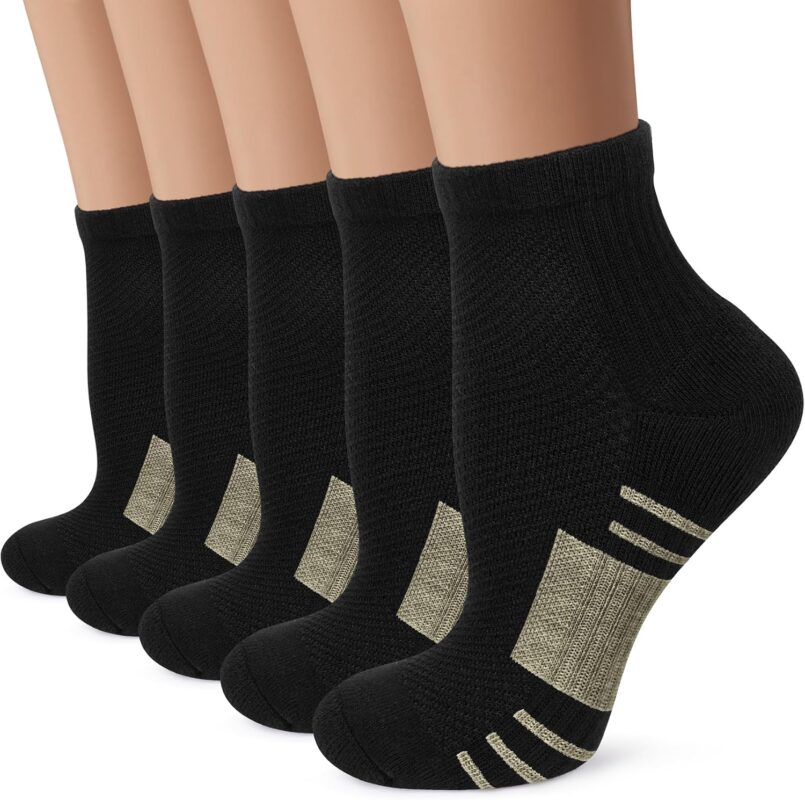
Iseasoo Copper Compression Socks 5 Pairs for Plantar Fasciitis Support
Price range: $172.00 through $483.00