

Blog
Relieve Swollen Feet: Best Women’s Compression Socks Guide

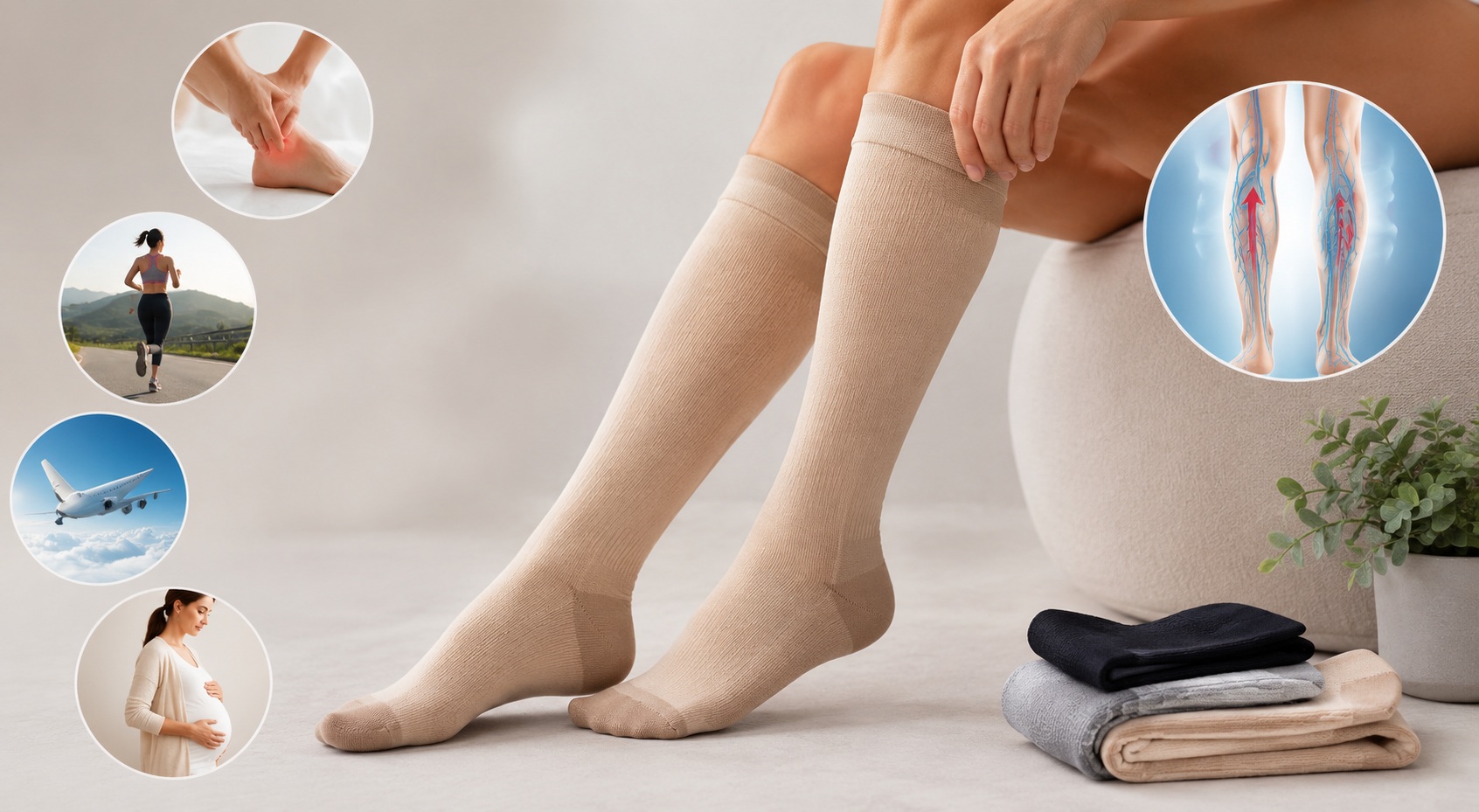
Suffering from swollen feet? Discover our guide to the best women compression socks for swollen feet that provide comfort and relief, so you can step confidently again!
Understanding Swollen Feet: Causes and Symptoms
Swollen feet, also known as edema, is a common condition that many women experience at some point in their lives. It can result from a variety of causes ranging from prolonged standing or sitting to more serious health issues. The primary cause of swelling is the accumulation of fluid in the tissues, which can be due to poor circulation, kidney problems, or even pregnancy. For many, the discomfort can be quite debilitating, affecting daily activities and overall quality of life.
The symptoms of swollen feet are fairly straightforward. You may notice puffiness, a feeling of heaviness, and sometimes even pain or tingling in your feet and ankles. The skin might appear stretched and shiny, and pressing on the swollen area may leave an indentation. In severe cases, the swelling can extend up to the calves. Recognizing these symptoms early and understanding their causes are crucial in addressing the underlying issues and seeking appropriate treatments, such as the use of compression socks.
Other contributing factors to swollen feet include lifestyle habits like high salt intake, lack of exercise, and wearing ill-fitting shoes. Medical conditions such as heart disease, liver disease, and chronic venous insufficiency can also lead to persistent swelling. By identifying the root causes and symptoms, you can better manage and prevent swollen feet, making interventions like compression socks more effective.
What Are Compression Socks?
Women Compression Socks for Swollen Feet are specially designed hosiery that apply gentle pressure to your legs and feet. These socks are typically made from elastic materials that provide graduated compression, meaning the pressure is strongest at the ankle and gradually decreases as it moves up the leg. This design helps to improve blood flow and reduce the pooling of fluids in the lower extremities, which is often the cause of swelling.
Available in various lengths, from ankle-high to thigh-high, compression socks cater to different needs and preferences. They have become increasingly popular not only among those with medical conditions but also among athletes, frequent travelers, and those who spend long hours on their feet. The socks come in a range of compression levels, usually measured in millimeters of mercury (mmHg), to suit different severity levels of swelling and individual requirements.
The concept of compression therapy has been around for centuries, but modern compression socks are far more advanced in terms of materials and design. They are not only functional but also stylish, with many brands offering a variety of colors and patterns. This makes them a practical and appealing solution for women looking to relieve swollen feet while maintaining their sense of style.
How Compression Socks Work for Swollen Feet
The primary function of compression socks is to promote better circulation in the lower extremities. By applying graduated pressure, these socks help to push blood back up toward the heart, preventing it from pooling in the feet and ankles. This improved blood flow reduces the buildup of fluids in the tissues, thereby alleviating swelling and discomfort. The constant pressure also supports the veins and muscles, making it easier for them to function effectively.
Compression socks work by targeting the underlying issues that cause swollen feet, such as poor circulation and venous insufficiency. When blood flow is optimized, it not only reduces swelling but also helps to prevent the formation of blood clots, which can be a serious complication of prolonged immobility or certain medical conditions. For women who are pregnant, compression socks can be particularly beneficial in managing the increased blood volume and hormonal changes that contribute to swelling.
Additionally, the use of compression socks can enhance lymphatic drainage, which is the process by which the body removes waste and excess fluids from the tissues. By encouraging this natural function, compression socks help to maintain a healthy balance of fluids in the body, further reducing the risk of swelling. Overall, the consistent use of compression socks can lead to significant improvements in comfort and mobility for those suffering from swollen feet.
Benefits of Wearing Compression Socks
Wearing compression socks offers a multitude of benefits, especially for women who experience swollen feet regularly. One of the most immediate advantages is the reduction in swelling and discomfort. The graduated pressure of the socks helps to alleviate the heaviness and pain associated with edema, making it easier to move around and engage in daily activities. This can be particularly beneficial for those who have jobs that require long periods of standing or sitting.
Another significant benefit is the prevention of more serious health issues. By improving circulation and reducing the risk of blood pooling, compression socks can help to prevent conditions such as deep vein thrombosis (DVT) and varicose veins. This is especially important for women who are pregnant, as they are at a higher risk for these complications. Additionally, athletes and fitness enthusiasts can benefit from the enhanced blood flow and muscle support, which can improve performance and reduce the risk of injury.
Compression socks also offer long-term health benefits. Regular use can improve overall vascular health by supporting the veins and preventing them from becoming enlarged or damaged. This can lead to better overall circulation and a lower risk of chronic conditions related to poor blood flow. Moreover, the socks can improve recovery times for those who have undergone surgery or suffer from chronic conditions like lymphedema. Overall, the benefits of wearing compression socks extend far beyond immediate relief, contributing to better long-term health and well-being.
Choosing the Right Compression Level
Selecting the appropriate compression level is crucial for achieving the desired benefits from compression socks. Compression levels are generally measured in millimeters of mercury (mmHg) and are categorized into different ranges based on the amount of pressure they provide. Understanding these levels can help you make an informed decision that best suits your needs.
Light compression, typically ranging from 8-15 mmHg, is suitable for those who are looking for mild support. This level is often recommended for individuals who experience occasional swelling or fatigue in their legs and feet. It can also be beneficial for those who want to maintain general leg health and prevent minor issues from developing. Light compression socks are usually comfortable enough for everyday wear and can be a good starting point for those new to compression therapy.
Moderate to firm compression, ranging from 15-30 mmHg, is often recommended for those with more pronounced symptoms of swelling or specific medical conditions. Moderate compression (15-20 mmHg) is commonly prescribed for pregnant women, travelers, and those with mild varicose veins. Firm compression (20-30 mmHg) is typically used for more severe cases, such as chronic venous insufficiency or post-surgical recovery. For those with serious medical conditions, extra firm compression (30-40 mmHg) may be necessary, but this level should only be used under the guidance of a healthcare professional.
Top Features to Look for in Women’s Compression Socks
When selecting compression socks, it’s important to consider several key features to ensure you get the best fit and functionality. One of the most important factors is the material. High-quality compression socks are usually made from a blend of materials like nylon, spandex, and cotton. These materials provide the necessary elasticity for effective compression while also being breathable and comfortable for extended wear.
Another crucial feature is the design of the sock. Look for socks with a seamless construction to reduce the risk of irritation and blisters. The toe and heel areas should be reinforced for added durability, and the cuff should be snug enough to stay in place without cutting off circulation. Some compression socks also come with additional features like moisture-wicking properties, which help to keep your feet dry and comfortable throughout the day.
Fit and sizing are also essential considerations. Compression socks should fit snugly but not be overly tight. Many brands offer size charts based on measurements of your ankle, calf, and sometimes even your shoe size. It’s important to follow these guidelines to ensure a proper fit, as an ill-fitting sock can be ineffective or even harmful. Additionally, consider the length of the sock based on your specific needs—whether you need ankle-high, knee-high, or thigh-high socks. The right length will depend on the areas where you experience the most swelling and the level of support you require.
Recommended Brands for Women’s Compression Socks
Several brands stand out for their quality and effectiveness in providing compression therapy. One highly recommended brand is Sockwell, known for its blend of style, comfort, and function. Sockwell offers a wide range of compression levels and designs, making it easy to find a pair that suits your needs and personal style. Their socks are made from high-quality materials like merino wool and bamboo, which offer excellent moisture-wicking and temperature-regulating properties.
Another top brand is CEP, which specializes in sports compression gear. Their compression socks are designed with the athlete in mind, offering targeted support and enhanced performance. CEP socks are known for their durability and advanced compression technology, making them a great choice for both athletic and everyday use. Their wide range of sizes and lengths ensures a perfect fit for any individual.
Jobst is another reputable brand that has been a leader in the compression therapy market for decades. They offer a variety of medical-grade compression socks that are often recommended by healthcare professionals. Jobst socks are known for their high quality, effectiveness, and comfort. They provide options for different compression levels and have specialized products for conditions like lymphedema and venous insufficiency. With a focus on both function and comfort, Jobst remains a trusted name in compression therapy.
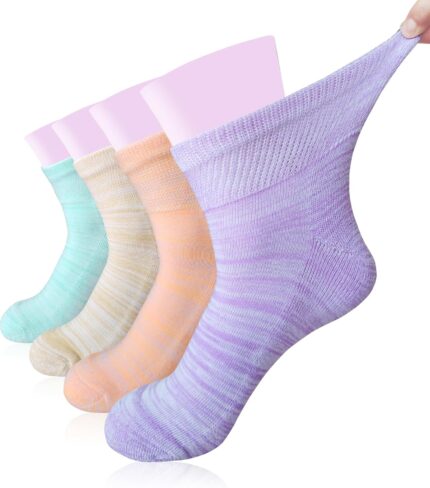
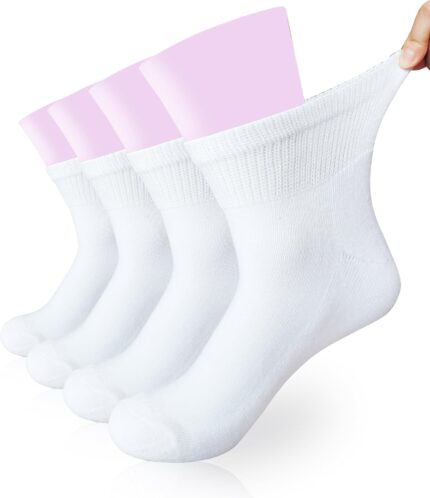
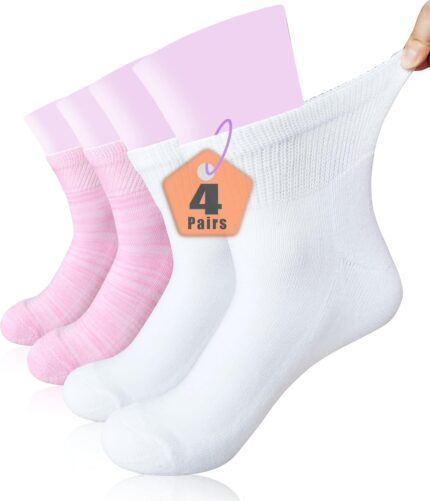
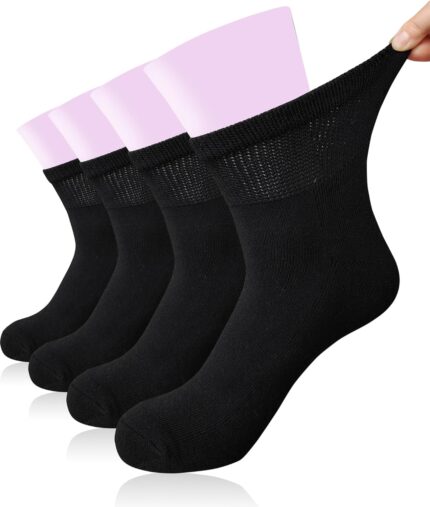
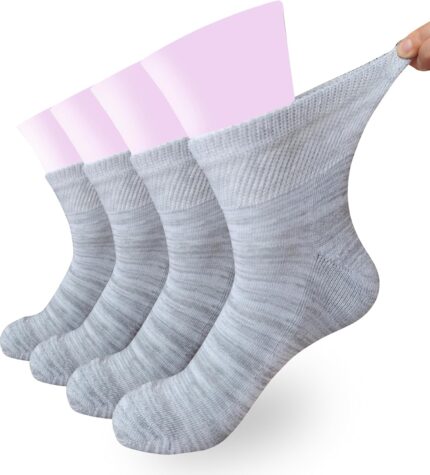
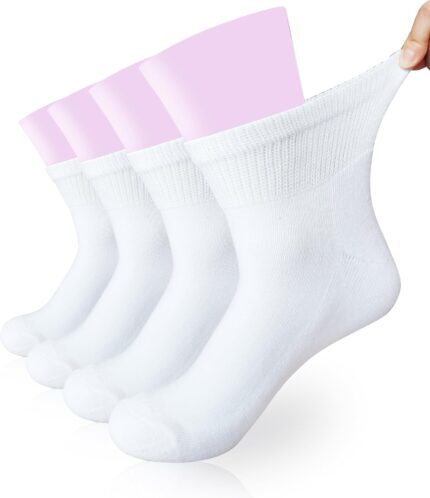
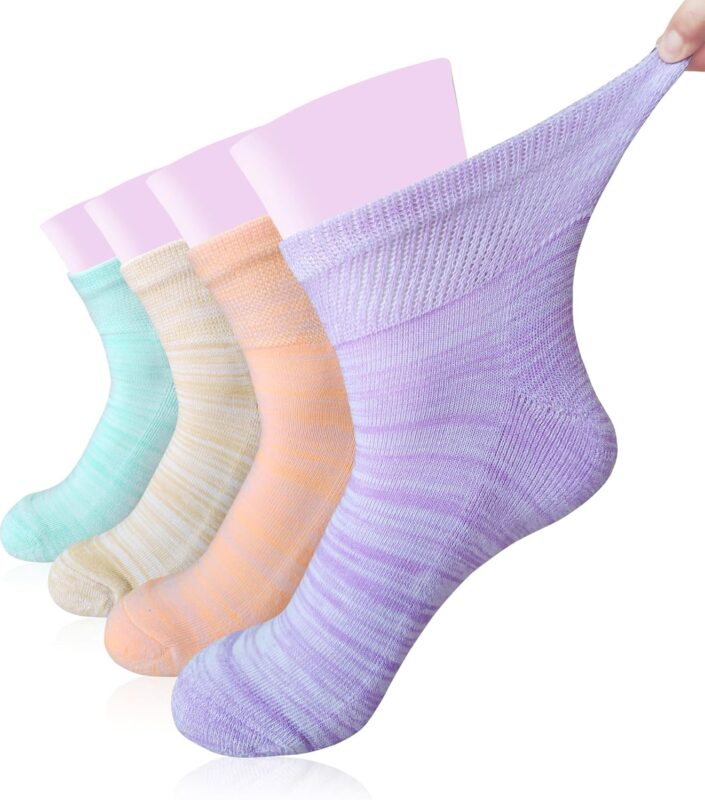
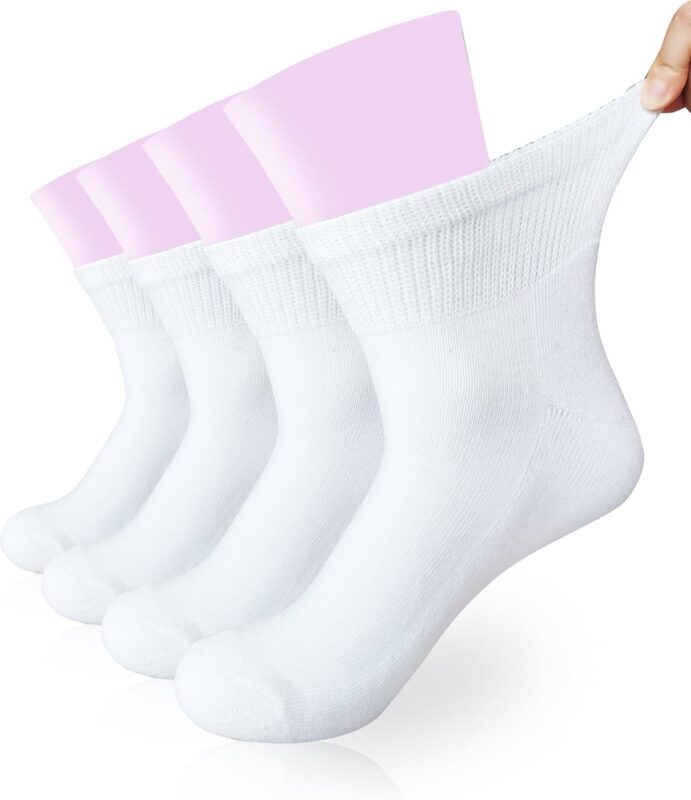
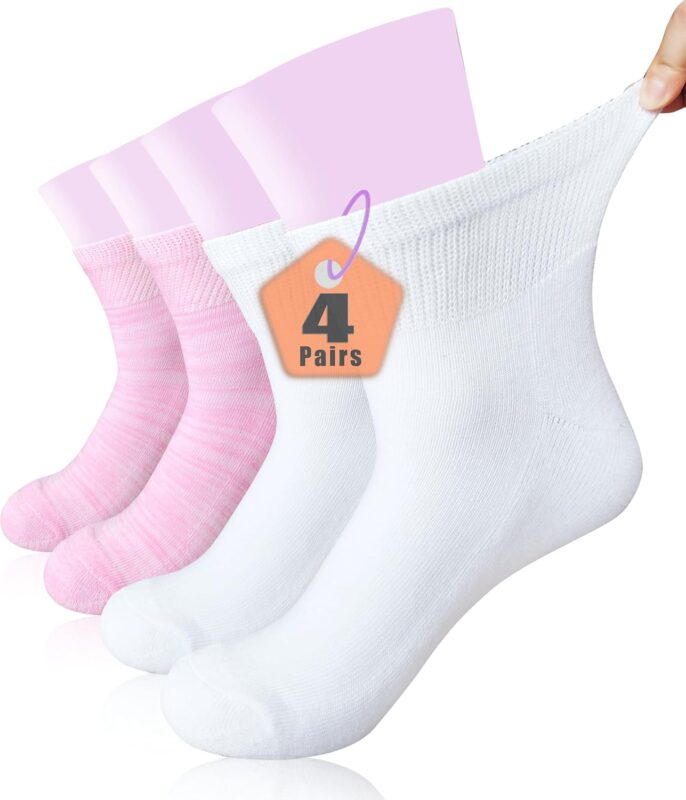
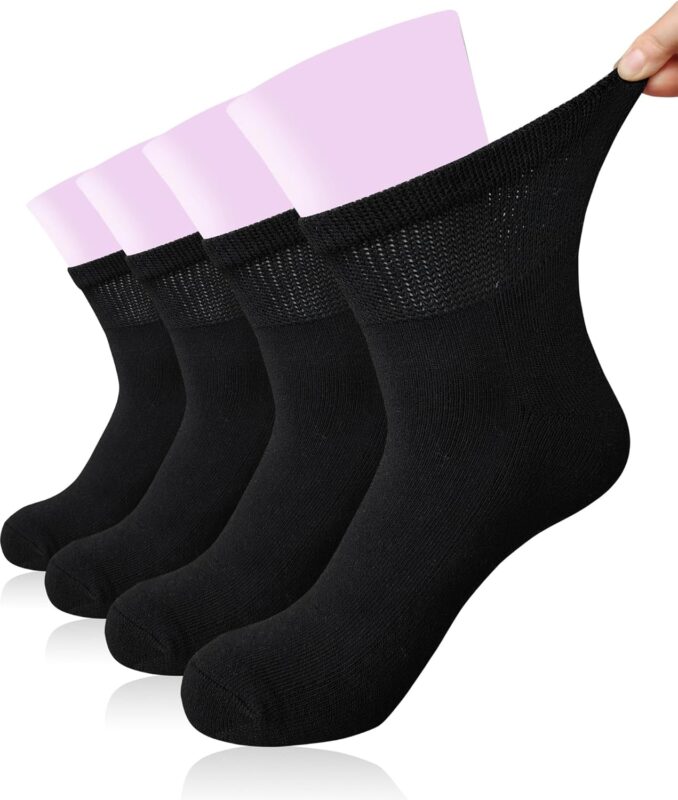
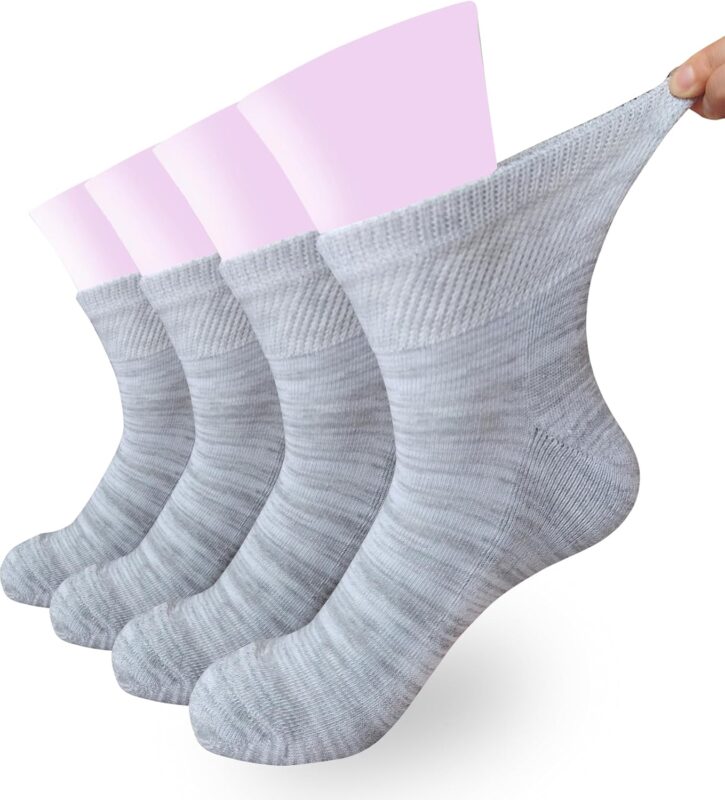
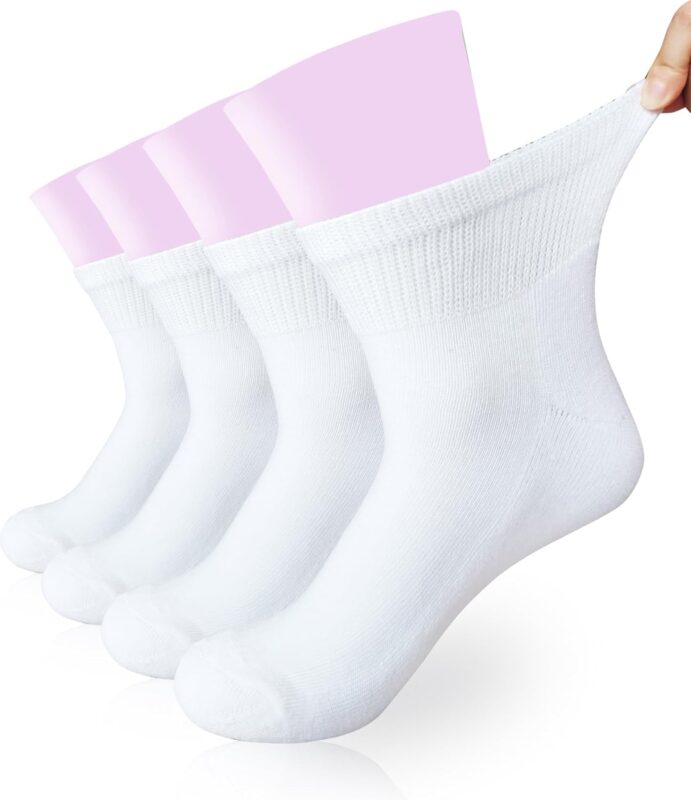
Women Compression Socks for Swollen Feet & Edema Relief, 4 Pairs
Women compression socks for swollen feet provide gentle support, improve circulation, reduce pressure, and deliver breathable all-day comfort for diabetes, edema, neuropathy, and pregnancy.
How to Properly Use and Care for Compression Socks
To get the most out of your compression socks, it’s important to use them correctly. Start by putting them on first thing in the morning before swelling begins. To do this, sit down and gently roll the sock down to the heel, then place your foot inside and gradually unroll the sock up your leg. Ensure the sock is smooth and free of wrinkles, as bunching can cause discomfort and reduce effectiveness.
Proper care is also essential to maintain the longevity and effectiveness of your compression socks. Most compression socks should be hand-washed or machine-washed on a gentle cycle with mild detergent. Avoid using bleach or fabric softeners, as these can degrade the elastic fibers. After washing, air dry the socks by laying them flat or hanging them up. Avoid wringing them out, as this can damage the fabric and reduce their compression capabilities.
Replace your compression socks regularly, as the elastic fibers can lose their effectiveness over time. Depending on the brand and frequency of use, you may need to replace them every 3-6 months. Regularly inspect your socks for signs of wear and tear, such as thinning fabric or loss of elasticity. By following these guidelines, you can ensure that your compression socks remain effective and provide the necessary support for relieving swollen feet.
Frequently Asked Questions About Compression Socks
Q: Can I wear compression socks all day?
A: Yes, you can wear compression socks all day, but it’s essential to choose the right compression level and fit for your needs. For those new to compression therapy, it’s a good idea to start with a lower compression level and gradually increase as needed. Always consult with a healthcare professional if you have any concerns or underlying medical conditions.
Q: Are there any side effects of wearing compression socks?
A: When worn correctly, compression socks are generally safe and beneficial. However, wearing socks that are too tight or not properly fitted can cause discomfort, skin irritation, or even restrict blood flow. It’s crucial to follow sizing guidelines and consult with a healthcare provider if you experience any adverse effects.
Q: Can I sleep in compression socks?
A: While some people may benefit from wearing compression socks overnight, it’s not typically necessary unless prescribed by a healthcare professional. Sleeping in compression socks can sometimes lead to discomfort or reduced circulation if they are too tight. It’s best to discuss this with your doctor to determine what’s best for your specific situation.
Conclusion: Finding Relief with Compression Socks
Swollen feet can significantly impact your daily life, but the right pair of compression socks can provide much-needed relief. Understanding the causes and symptoms of swollen feet is the first step in addressing the issue. Compression socks offer a non-invasive, effective solution by promoting better circulation and reducing fluid buildup. By choosing the right compression level and features, you can find a pair that meets your needs and enhances your comfort.
With reputable brands like Sockwell, CEP, and Jobst, you have a variety of options to choose from. These brands offer high-quality, durable, and stylish compression socks that cater to different needs and preferences. Proper use and care are essential to ensure the longevity and effectiveness of your compression socks. By following the guidelines for wearing and maintaining them, you can enjoy the benefits of reduced swelling and improved overall leg health.
Incorporating compression socks into your daily routine can make a significant difference in managing swollen feet. Whether you’re dealing with occasional swelling or a chronic condition, these socks offer a simple yet effective solution. Consult with your healthcare provider to determine the best compression level and type for your needs, and take the first step towards better comfort and mobility today.
