

Blog
Do Compression Socks Help With Hyperadrenergic POTS?

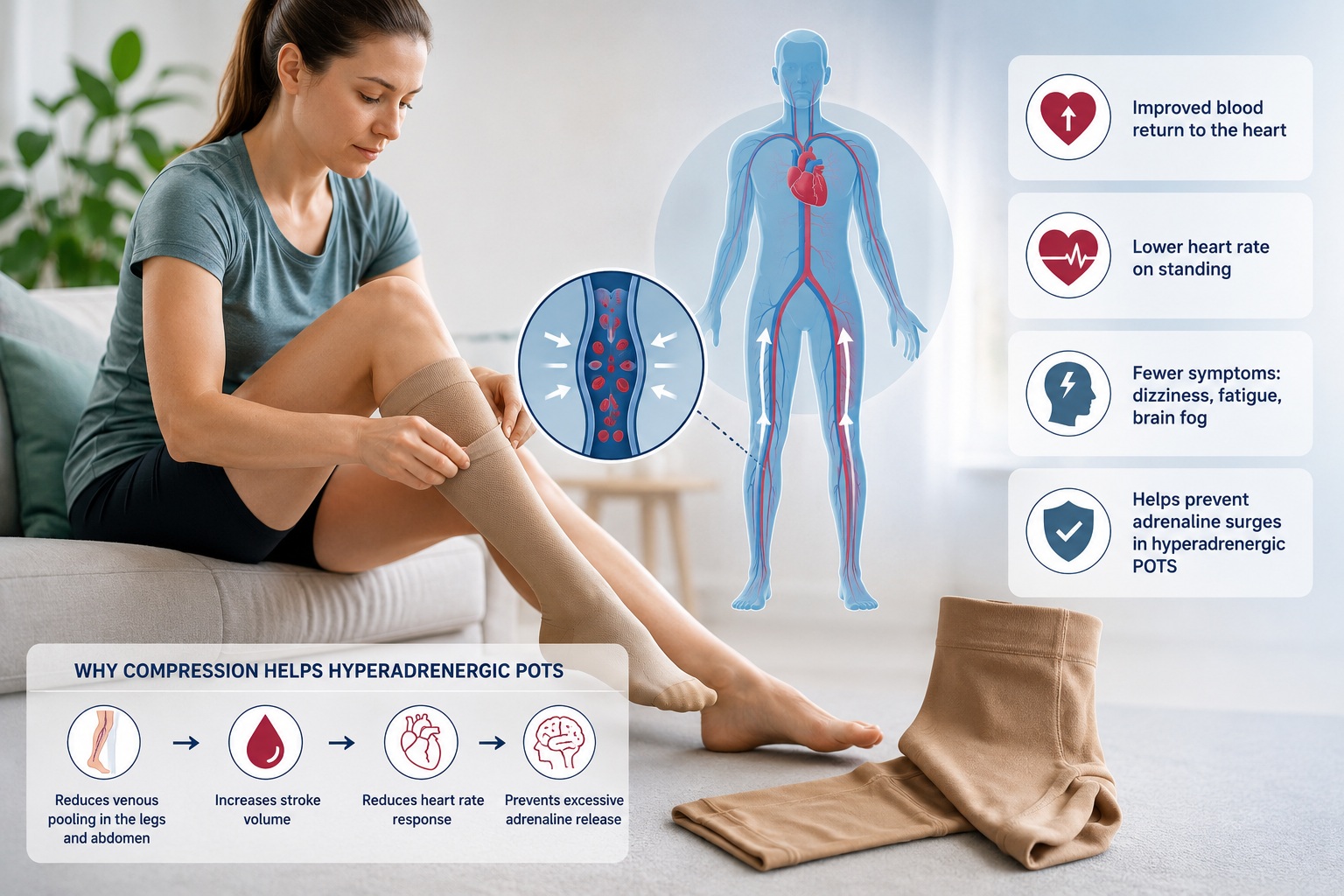
Living with hyperadrenergic POTS often feels like your body is trapped in a permanent state of “fight or flight.” The racing heart, the pounding headache, the surge of adrenaline that floods your system simply from standing up. It is exhausting, disorienting, and frankly, frightening.
And here lies the dilemma: if your blood pressure already runs high, squeezing your legs in compression garments sounds counterintuitive. Wouldn’t that only make things worse?
This question surfaces constantly in POTS communities. “I thought hyperadrenergic POTS involves too much vasoconstriction,” one patient recently asked on the Dysautonomia Information Network. “Wouldn’t compression socks cause even more constriction?”
The answer—supported by emerging clinical research and expert consensus—is more nuanced than a simple yes or no. For most patients with hyperadrenergic POTS, properly selected and correctly used compression garments do help. But there are critical caveats unique to this subtype that must be understood.
Let’s cut through the confusion and examine what the science actually says.
Understanding Hyperadrenergic POTS: The Adrenaline Overload
Postural Orthostatic Tachycardia Syndrome is not a single condition. Researchers have identified three primary phenotypes: neuropathic, hypovolemic, and hyperadrenergic—each with distinct underlying mechanisms requiring tailored management strategies.
Hyperadrenergic POTS is characterized by excessive norepinephrine release upon standing. Instead of the mild vasoconstriction a healthy nervous system produces to push blood upward against gravity, the hyperadrenergic patient’s body goes into overdrive, flooding the bloodstream with “fight or flight” chemicals. This leads to a dramatic rise in both heart rate and blood pressure during upright activity.
Here is what many get wrong: the adrenaline surge is often a compensatory response. In some hyperadrenergic POTS cases, the blood vessels initially become too relaxed—too limp—and the sympathetic nervous system overcompensates by dumping out excessive adrenaline to tighten them. Compression stockings help prevent this cascade from even starting by providing the external support that the blood vessels themselves fail to provide.
How Compression Socks Actually Work (And Why It Matters for Your Subtype)
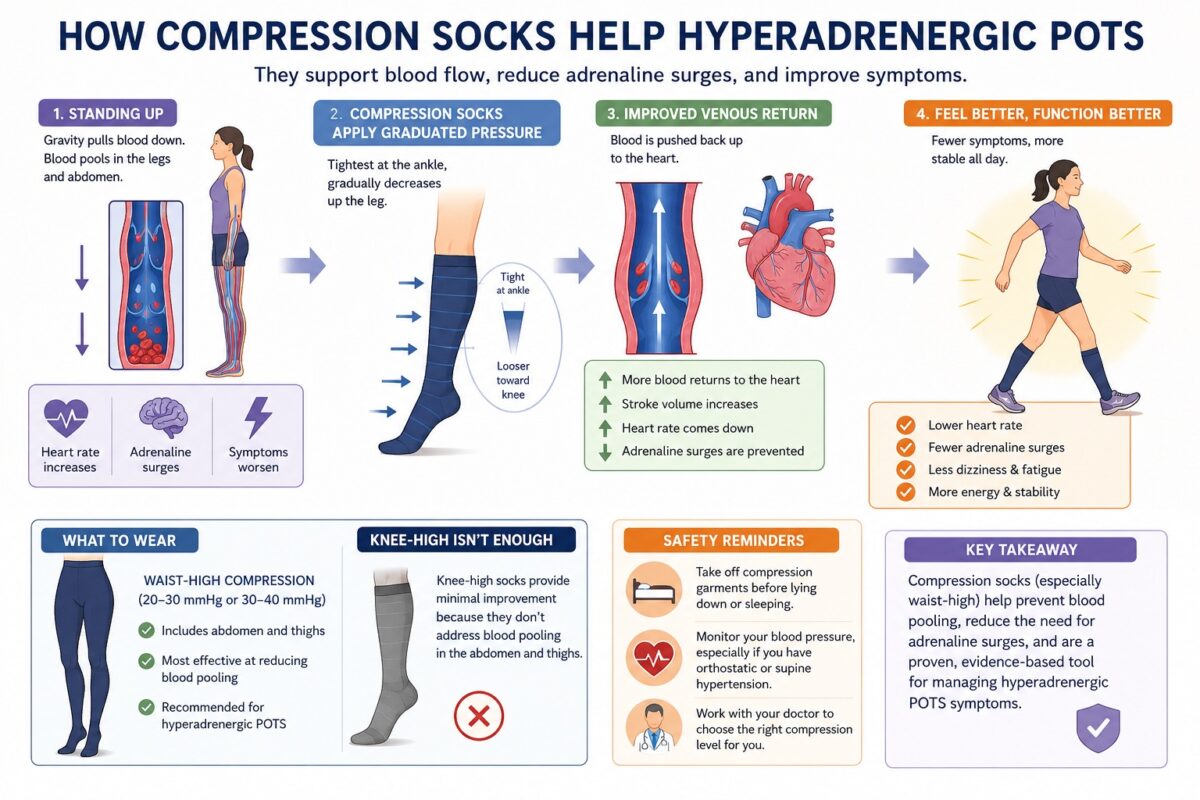
Compression garments operate on a straightforward mechanical principle. They apply graduated external pressure (tightest at the ankle, gradually easing up the leg) that physically squeezes the veins, pushing blood back toward the heart against the pull of gravity.
Here is why this matters for hyperadrenergic POTS. When blood returns to the heart more efficiently, stroke volume—the amount of blood pumped with each heartbeat—increases. With adequate stroke volume, the heart does not need to race. And without that desperate tachycardia, the trigger for the massive norepinephrine surge is removed before it can occur.
Waist‑high compression stockings (20–30 mm Hg) or abdominal binders reduce venous pooling and are recommended as adjunctive therapy for POTS, with the Canadian cardiology guideline specifically noting that abdominal, buttock and thigh compression reduces heart rate and symptoms compared to no compression.
The American College of Cardiology explicitly includes waist‑high compression garments as a recommended intervention for hyperadrenergic POTS, and the American Heart Association advises their use to reduce venous pooling in the lower extremities.
What the Research Reveals
The evidence base for compression in POTS has strengthened considerably in recent years.
A landmark clinical trial demonstrated that compression garments reduce standing heart rate by shifting fluid pooled in the abdomen and legs back to the heart, leading to an increase in stroke volume. Critically, lower‑leg compression (knee‑high socks) provided only minimal improvement in heart rate or symptoms. Targeting the abdomen and thigh, however, lowered the orthostatic heart rate increase below the POTS diagnostic threshold of 30 beats per minute.
A 2024 community‑based trial published in PubMed further confirmed that commercially available compression tights reduced heart rate and symptoms both acutely and after several hours of use, with this additional benefit persisting whether concomitant medications were used.
For hyperadrenergic POTS specifically, experts recommend a pressure rating of either 20‑30 mmHg or 30‑40 mmHg, with waist‑high or “panty hose” style stockings that provide abdominal compression.
The Safety Question: What About High Blood Pressure?
This is the concern that stops many hyperadrenergic patients from trying compression therapy. And it is a valid one.
Compression garments do increase blood pressure in the legs. But for most hyperadrenergic patients, the issue is orthostatic hypertension—blood pressure that spikes only upon standing. Compression garments are worn during upright activities, precisely when that spike is occurring anyway. The garments do not necessarily worsen the situation; they address the underlying venous pooling that triggers the sympathetic overdrive.
The critical rule for hyperadrenergic POTS: remove your compression garments before lying down to sleep. Supine hypertension (high blood pressure while lying flat) is a known concern with vasoconstrictive treatments in this population. Wearing compression garments in bed could potentially elevate blood pressure further during a time when the body should be resting. The oversight of a doctor is always recommended before using higher‑level compression ranging from 20‑30 mmHg to 30‑40 mmHg.
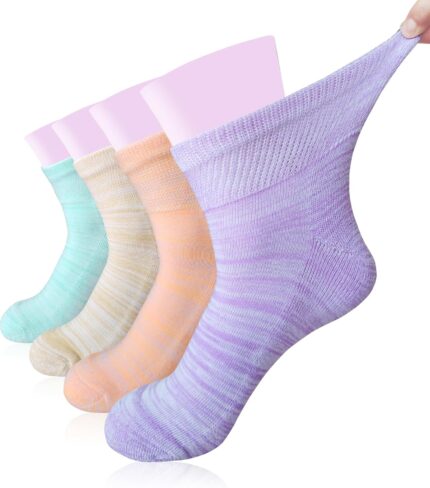
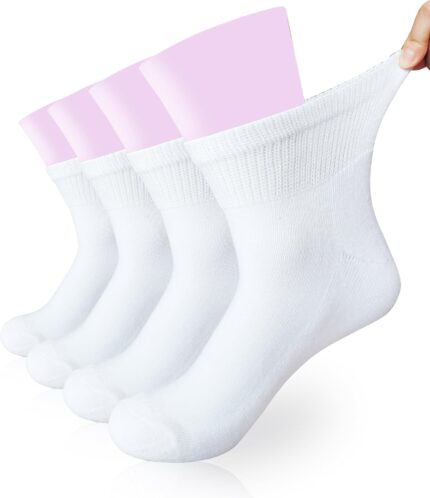
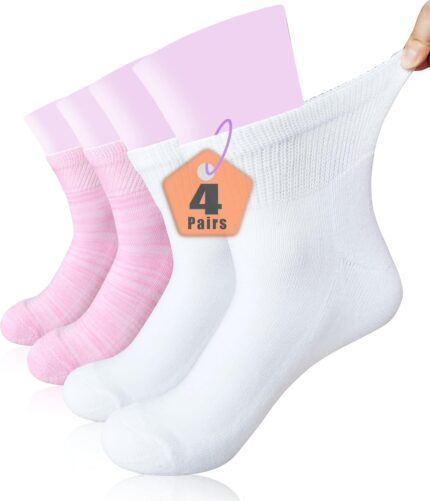
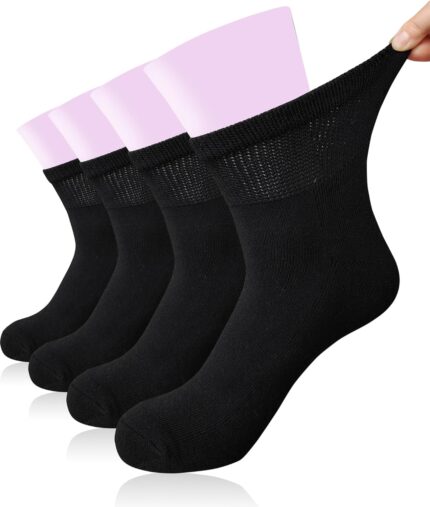
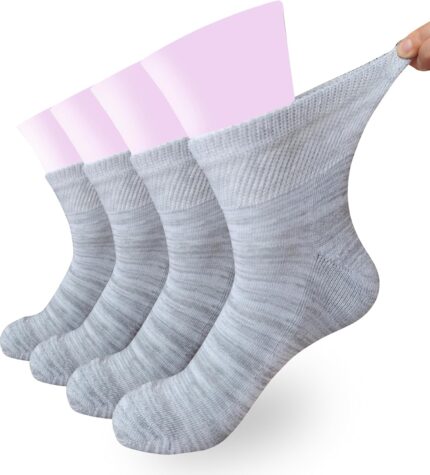
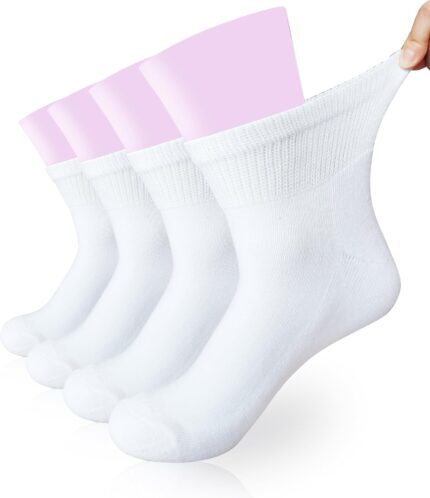
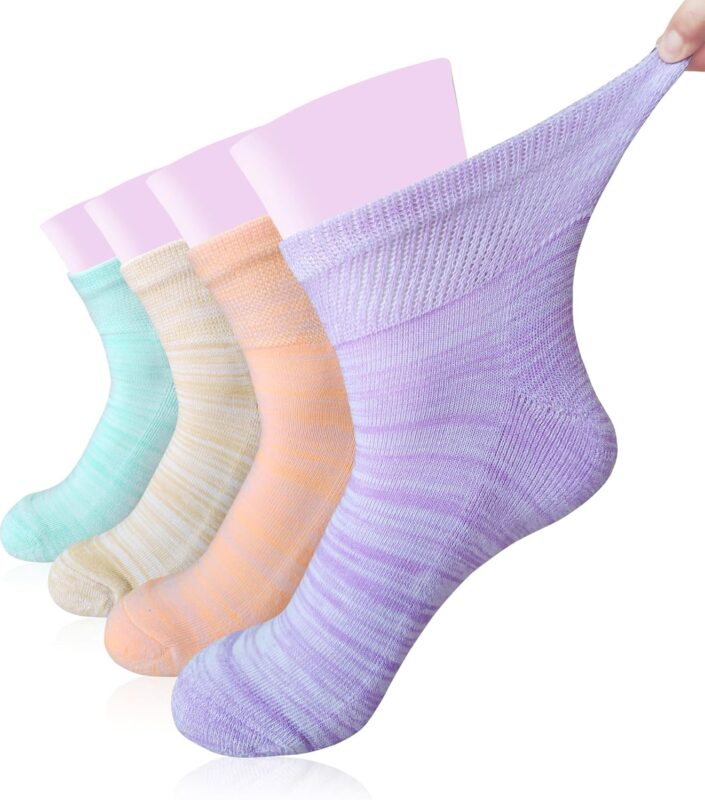
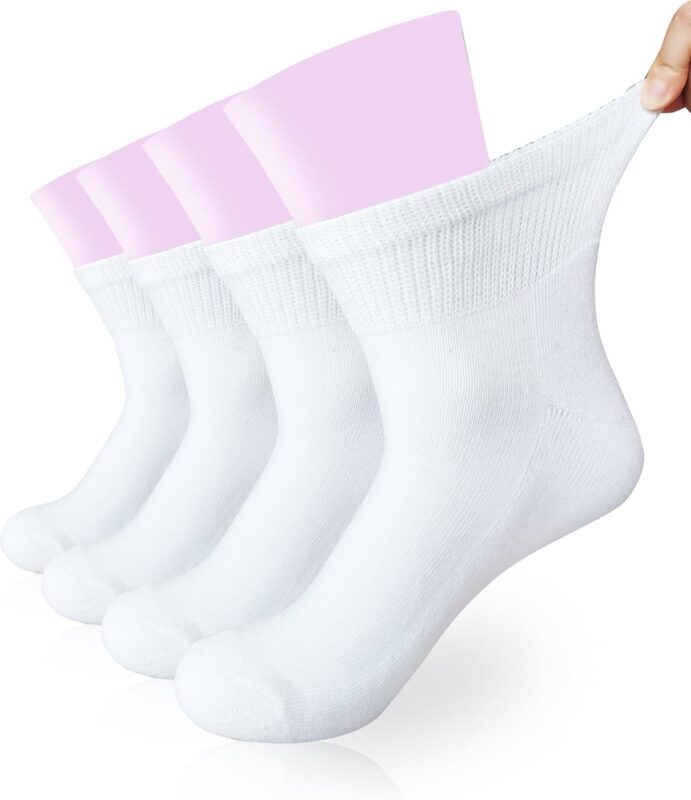
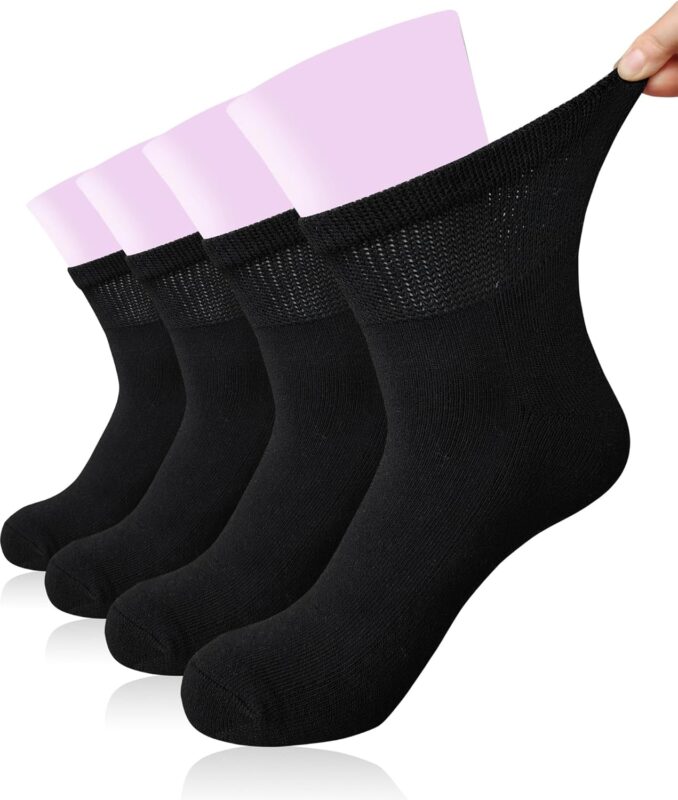
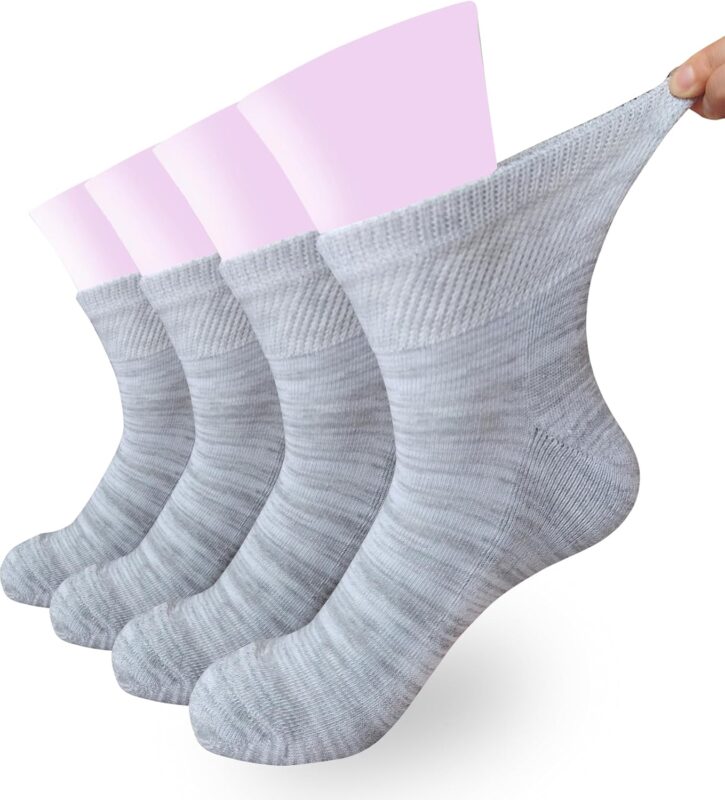
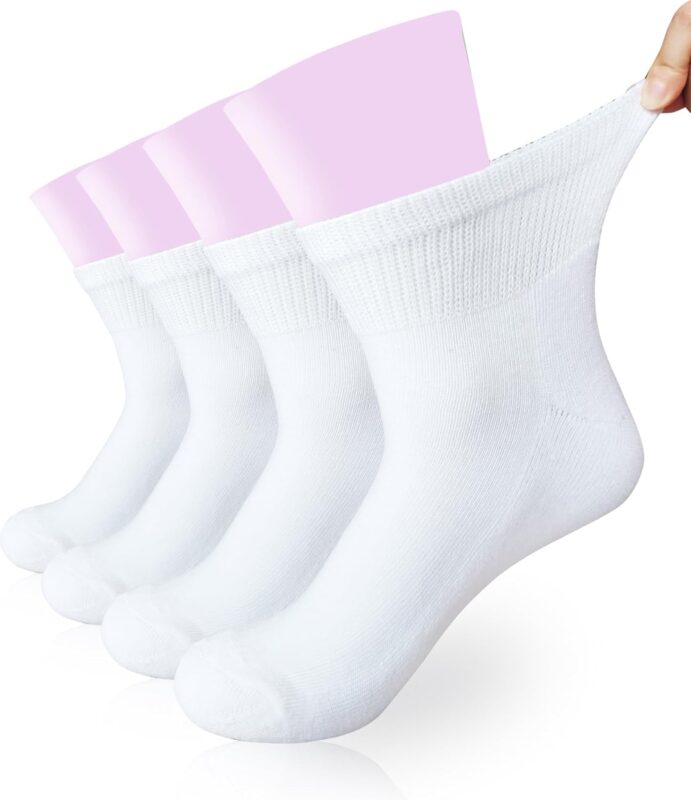
Women Compression Socks for Swollen Feet & Edema Relief, 4 Pairs
Women compression socks for swollen feet provide gentle support, improve circulation, reduce pressure, and deliver breathable all-day comfort for diabetes, edema, neuropathy, and pregnancy.
Choosing the Right Garment: Knee‑High Is Not Enough
Here is where many patients go wrong. Knee‑high compression socks, while comfortable and easy to put on, offer only minimal reduction in orthostatic tachycardia and symptoms for POTS.
The research is unambiguous. Patients should be prescribed a 20‑30 mm Hg or 30‑40 mm Hg garment that includes compression of the abdomen. This can be waist‑high tights (pantyhose style) or abdominal shapewear/compression shorts as an alternative, especially in warmer weather.
When searching for the medical grade compression socks for women with hyperadrenergic POTS, look beyond knee‑high options and prioritize waist‑high garments with verified mmHg ratings. Specific medical compression brands recommended in the literature include Jobst, Juzo, Mediven, and Sigvaris. High‑quality athletic garments from brands like CEP, CW‑X, and 2XU can serve as alternatives if they provide a pressure rating, though they typically offer less compression than medical grade.
Starting Safely: A Practical Protocol
If you have confirmed hyperadrenergic POTS and your doctor has approved compression therapy, here is a sensible approach:
- Begin with 20‑30 mmHg waist‑high stockings or an abdominal binder paired with thigh‑high compression. Starting with a lower compression level allows you to gauge tolerance before moving up if needed.
- Wear the garment during upright activities only—while standing, walking, or sitting at a desk. Remove it before lying down for sleep or extended rest.
- Some patients start with just 1‑2 hours per day and gradually increase to 8 hours or more as tolerated.
- If 20‑30 mmHg provides insufficient relief, discuss moving to 30‑40 mmHg with your physician. Some experts recommend waist‑high stockings with a pressure of 30‑40 mmHg for optimal results.
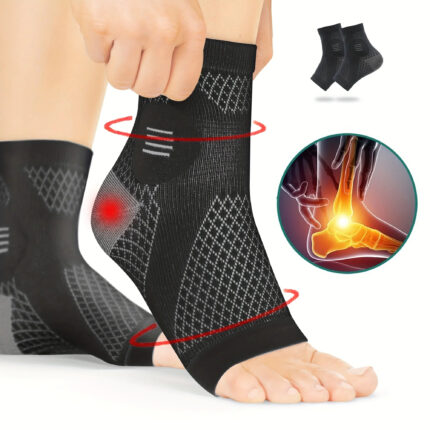
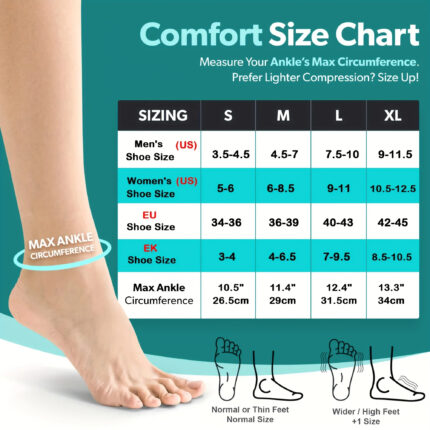
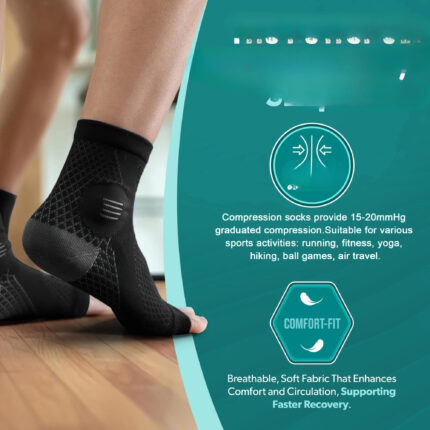
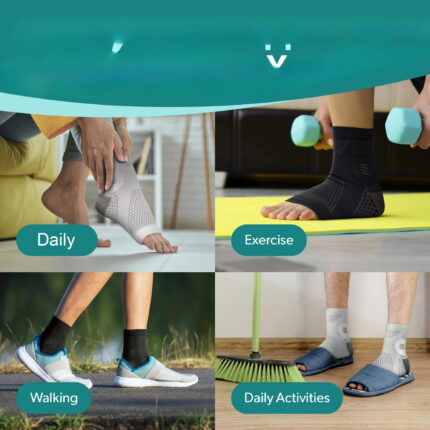
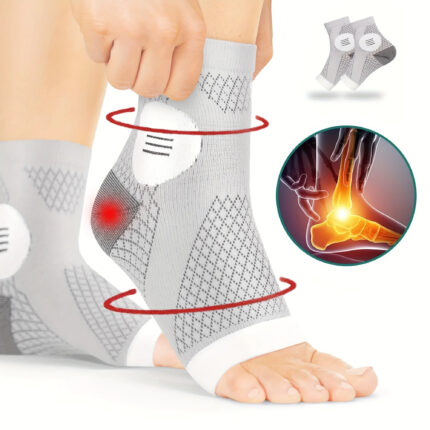
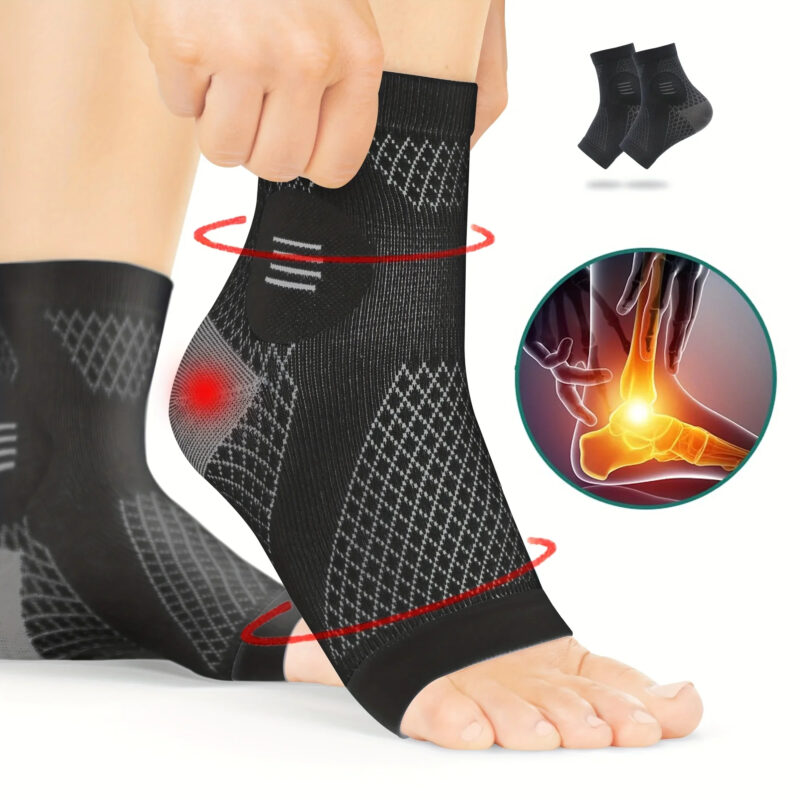
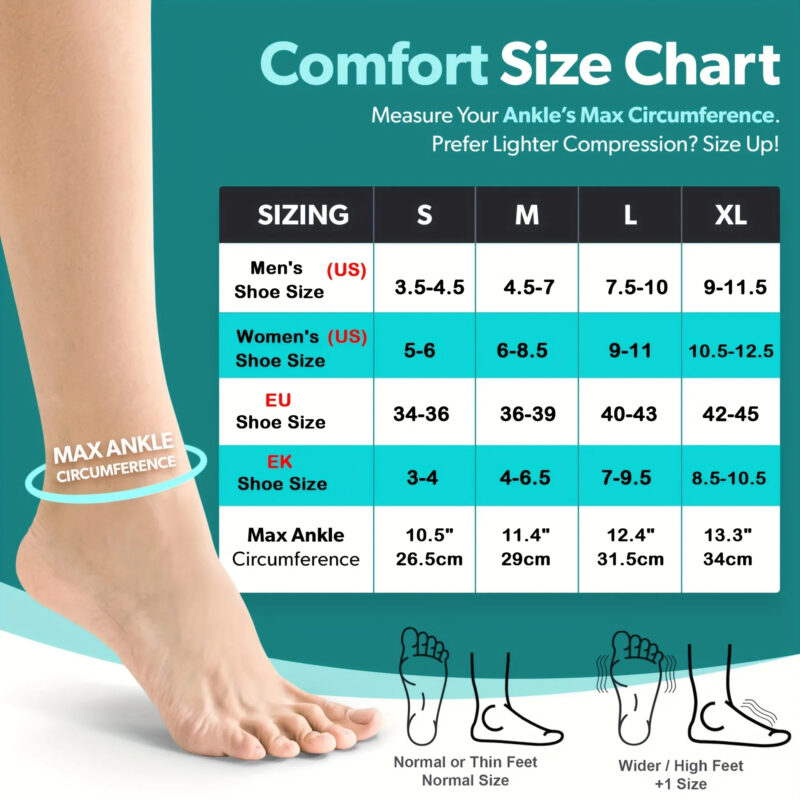
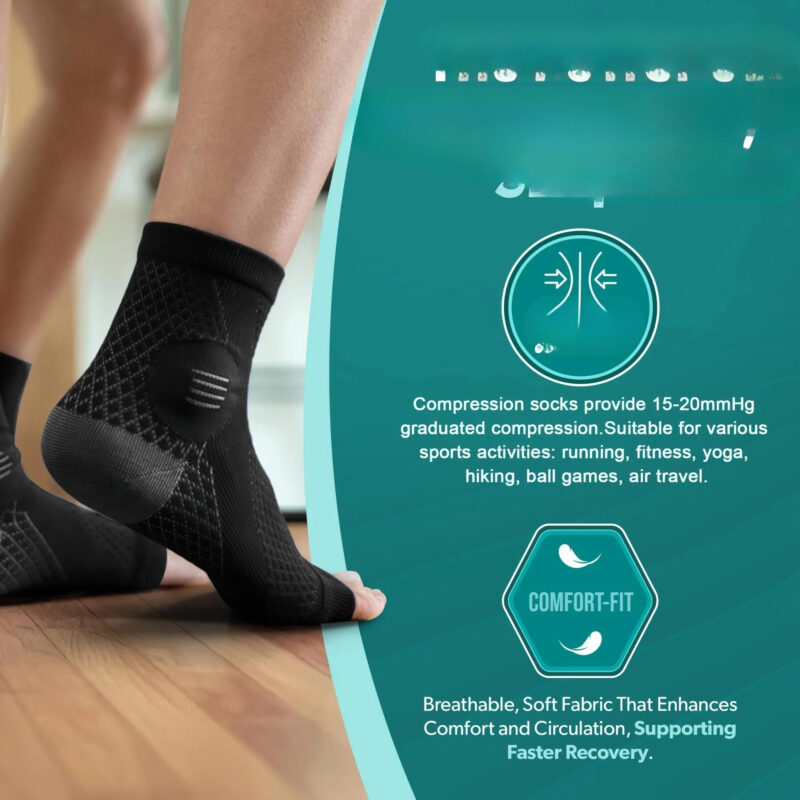
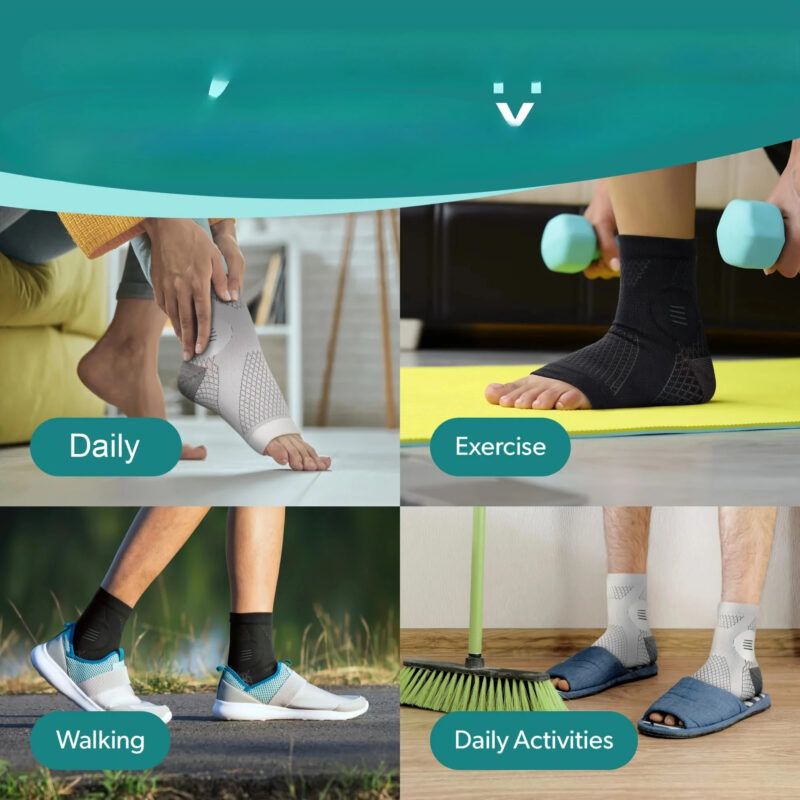
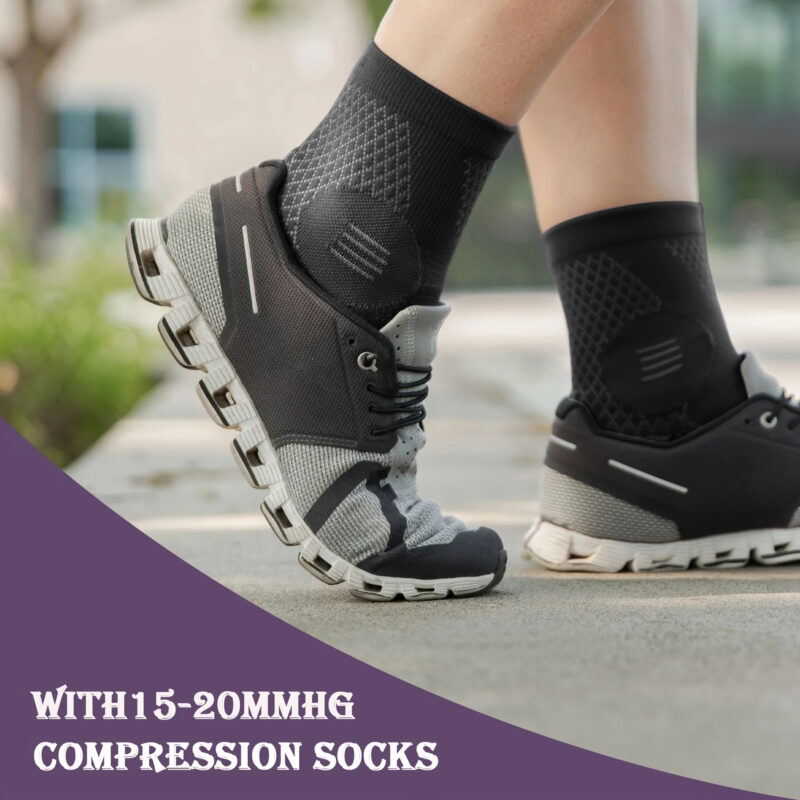
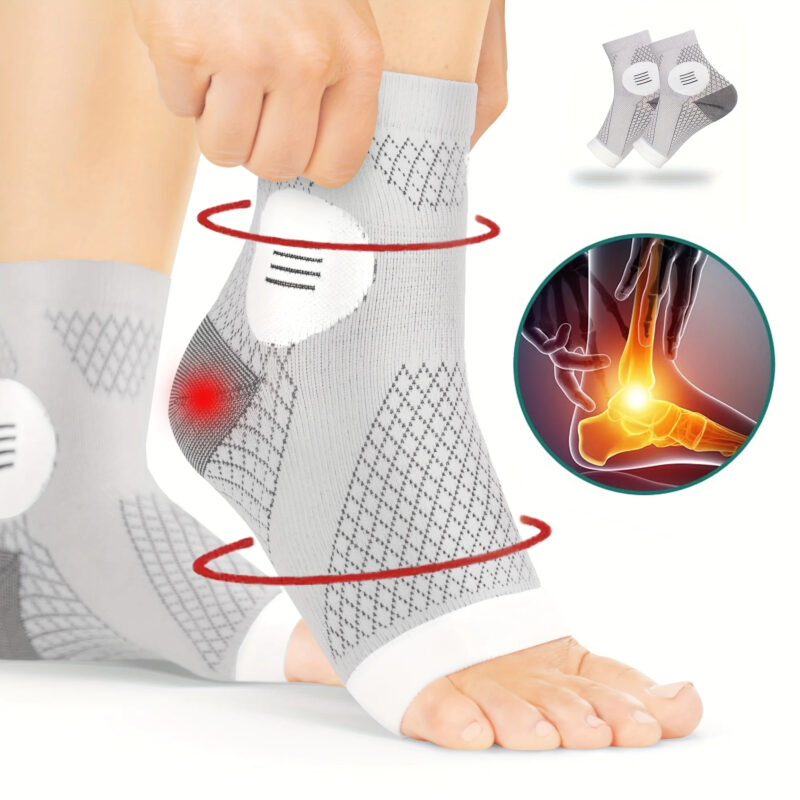
Compression Socks for Swollen Ankles Open Toe Arch Support Sleeves
Experience targeted support with compression socks for swollen ankles featuring an open-toe design, arch support, and breathable fabric to help reduce swelling, improve comfort, and support everyday movement.
Lifestyle and Medication Interactions
Compression therapy does not exist in a vacuum. For hyperadrenergic POTS, it works alongside other interventions.
Beta‑blockers such as propranolol are specifically indicated for hyperadrenergic POTS to reduce standing heart rate and improve orthostatic symptoms in patients with excessive sympathetic nervous system activation. Some experts have shown that abdominal compression combined with propranolol decreases upright symptoms in POTS.
Crucially, while standard POTS treatment often emphasizes high salt intake, this must be approached with caution in hyperadrenergic POTS. Excessive sodium can worsen hypertension in this subtype. Always follow your physician’s specific guidance regarding fluid and salt intake.
Common Misconceptions Addressed
Myth: Compression socks will make my hyperadrenergic POTS worse by causing even more vasoconstriction.
Reality: In many cases, the blood vessels initially become too relaxed, and the body overcompensates with excessive norepinephrine. Compression prevents this compensatory response from being triggered in the first place.
Myth: I can just buy any compression socks at the pharmacy.
Reality: Generic “travel socks” providing 15‑20 mmHg are generally insufficient for POTS symptom management. Medical‑grade compression with a verified pressure rating is essential, as is abdominal coverage.
Myth: Higher pressure is always better.
Reality: Not necessarily. Starting with 20‑30 mmHg is recommended for most patients. Moving to 30‑40 mmHg should be done under medical supervision, particularly if you have supine hypertension.
Frequently Asked Questions (FAQs)
Q: Can I wear compression socks if I already have high blood pressure from hyperadrenergic POTS?
A: Yes, with caveats. Compression is typically worn during upright activities. Remove them before lying down to sleep. Discuss any history of supine hypertension with your doctor before starting compression therapy.
Q: Do I need a prescription for medical‑grade compression stockings?
A: While you can purchase 20‑30 mmHg stockings without a prescription, a prescription ensures you receive the correct pressure level and fit. It may also enable insurance coverage or FSA reimbursement.
Q: How tight should compression socks feel?
A: They should feel snug but not painful. Medical‑grade stockings are notably difficult to put on—if they slip on as easily as regular socks, the compression level is likely too low for POTS.
Q: Are expensive medical compression brands worth it?
A: The research suggests yes. Verified medical brands (Jobst, Juzo, Mediven, Sigvaris) provide guaranteed graduated compression that cheaper alternatives may not reliably deliver.
Q: Can I wear compression socks with Raynaud’s syndrome?
A: Caution is required. Some patients with Raynaud’s cannot tolerate compression stockings because they may worsen vasoconstriction issues. Always consult your doctor.
Q: How often do I need to replace compression stockings?
A: Patients report garments wear out quickly, with some going through 10 pairs in a calendar year. Hand‑washing and air drying extends lifespan.
Summary
For most patients with hyperadrenergic POTS, compression therapy is not only safe but beneficial—provided the right garment is chosen and safety precautions are followed. The garment must include abdominal compression, provide 20‑30 mmHg (or 30‑40 mmHg under medical guidance), and be removed before sleep.
When you are seeking the best medical grade compression socks for women with hyperadrenergic POTS, prioritize waist‑high styles from reputable medical brands over knee‑high socks or over‑the‑counter travel options. The difference in symptom relief is substantial.
Compression therapy will not cure hyperadrenergic POTS. But by addressing the underlying venous pooling that triggers sympathetic overdrive, it can meaningfully reduce your orthostatic tachycardia, steady your blood pressure response to standing, and help you reclaim some of the upright life this challenging condition has taken away.
Important Disclaimer
Disclaimer: This information is for educational purposes only and does not constitute medical advice. Postural Orthostatic Tachycardia Syndrome (POTS) and its hyperadrenergic subtype vary significantly between individuals. Always consult with your physician or an autonomic disorders specialist before beginning any new treatment, including compression therapy, particularly if you have hypertension, supine hypertension, peripheral arterial disease, or other cardiovascular conditions.
References
- Bourne, K. M., Sheldon, R. S., Exner, D. V., Runte, M., & Raj, S. R. (2024). One Size Does Not Fit All: An Exploration of Compression Garment Use in Patients With Postural Orthostatic Tachycardia Syndrome. Canadian Journal of Cardiology, 2589‑790X.
- Bourne, K. M., Sheldon, R. S., Hall, J., et al. (2021). Compression Garment Reduces Orthostatic Tachycardia and Symptoms in Patients With Postural Orthostatic Tachycardia Syndrome. Journal of the American College of Cardiology, 77(3), 285–296.
- Pathophysiology and management of postural orthostatic tachycardia syndrome (POTS): A literature review. Current Problems in Cardiology, 2024.
- Treatment Guidelines for Postural Orthostatic Tachycardia Syndrome (POTS). Praxis Medical Insights, 2025.
- A Community-Based Trial of Commercially Available Compression Tights in Patients With Postural Orthostatic Tachycardia Syndrome. PubMed, 2024.
- Treatment of Hyperadrenergic POTS and Baroreceptor Dysfunction. Praxis Medical Insights, 2025.
- Postural Orthostatic Tachycardia Syndrome – Overview and Focus on Non‑Pharmacological Approaches (Q&A Report). InsideScientific, 2021.
- Recommended lifestyle changes in those with orthostatic intolerance. Brain Support Network.
- Table 3: Key recommendations for compression garment use. PMC, 2024.
- Dysautonomia International Patient Forum (DINET). Do people with hyperadrenergic POTS wear compression stockings?, 2021.
Explore Our Best Compression Socks
-
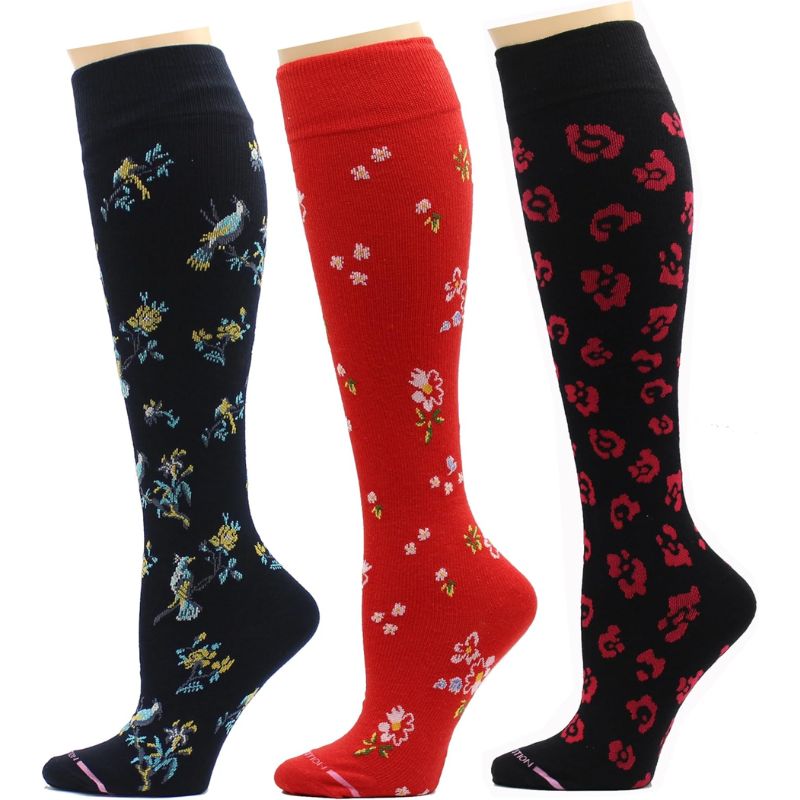
Dr. Motion Women’s 3-Pack 8-15 mmHg Compression Socks
$38.00 -
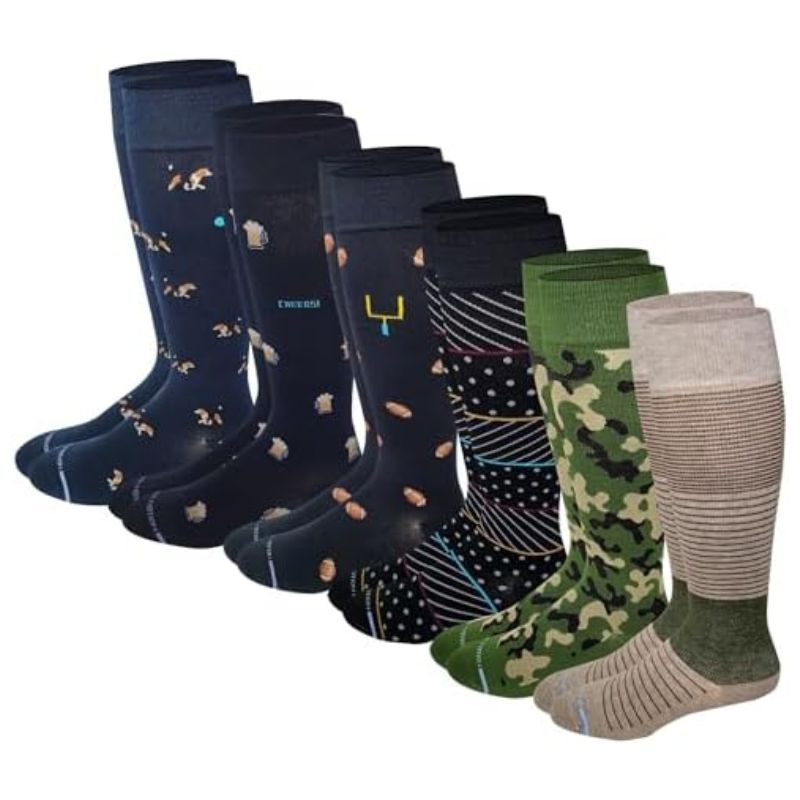
Dr. Motion Men’s Knee High Compression Socks 8-15 mmHg, 6 Pairs
$59.00 -
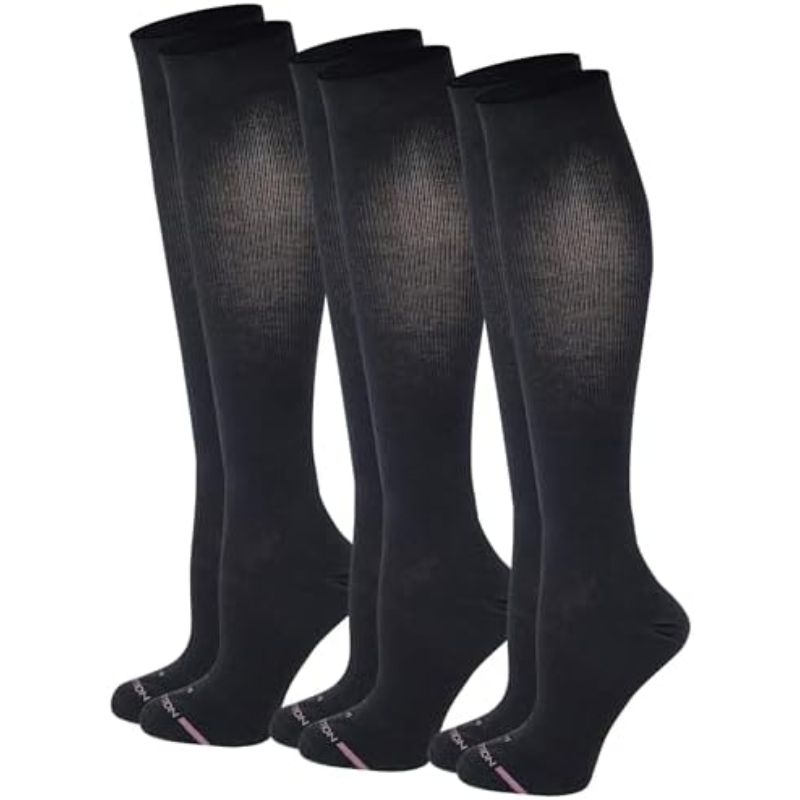
Dr. Motion Women’s Compression Knee High Socks 15-20 mmHg, 3 Pairs
$42.00 -
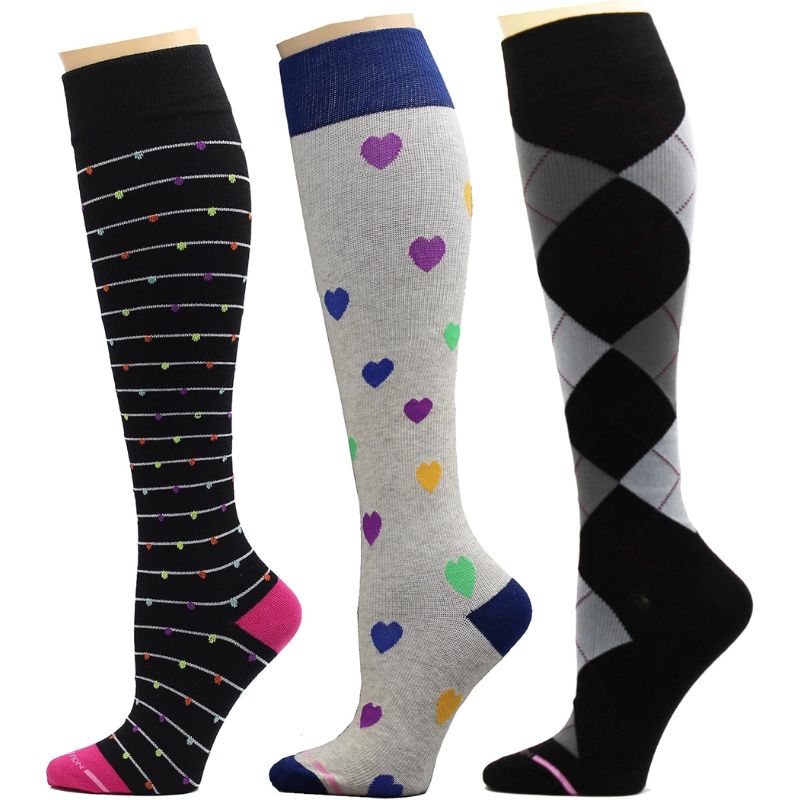
Dr. Motion 3 Pairs Women’s Graduated Compression Knee-High Socks
$41.00 -
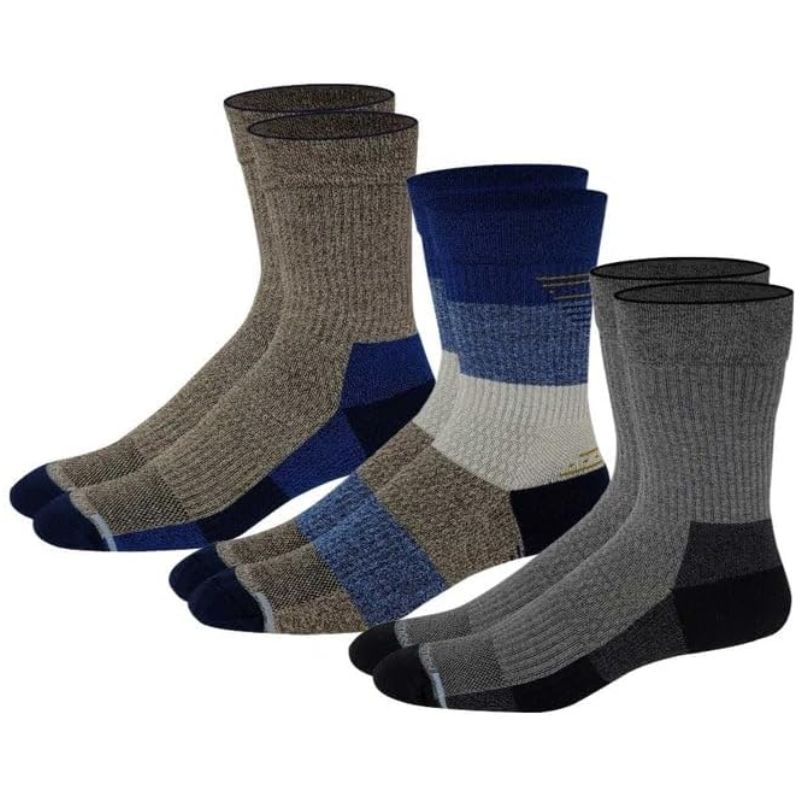
Dr. Motion Compression Crew Socks for Men – 3 Pairs
$42.00
